Toothbrushing is a seemingly simple daily routine for many children, but for autistic children, it often presents a complex tapestry of challenges and sensitivities. Helping an autistic child navigate this essential hygiene practice is not just about teaching technique but about understanding their unique sensory world and emotional landscape. This journey invites caregivers to shift their perspective—from seeing toothbrushing as a mundane task to appreciating it as an opportunity for profound connection and empowerment.
Understanding Sensory Sensitivities: The Foundation of Approach
Children on the autism spectrum often experience the world in heightened or altered ways, with sensory input sometimes overwhelming or distressing. Toothbrushing, involving unfamiliar textures, tastes, and sensations, can provoke anxiety or refusal. Recognizing that the toothbrush is not merely a tool, but a source of sensory input, is crucial. This realization invites caregivers to approach the process with empathy and patience.
The bristles’ texture, the toothpaste flavor, and even the sound of brushing can be deterrents. Some children are hypersensitive to these stimuli, while others may crave stronger sensations. Adapting the environment to reduce sensory overload—such as dimming the lights, minimizing background noise, and using unscented or mild-flavored toothpaste—can alleviate discomfort.

Exploring and choosing the right toothbrush designed with the child’s sensory preferences in mind can transform the experience. Brushes with softer bristles, smaller heads, or even electric options with gentle vibrations can be less intimidating and more engaging.
Establishing Predictability Through Consistent Routine
Predictability serves as a scaffold, providing autistic children with a sense of safety and control. Toothbrushing becomes less daunting when it is embedded within a clear, consistent routine. Visual schedules or step-by-step picture charts delineating each phase of brushing can offer clarity and reduce anxiety caused by the unknown.
It is essential to keep the timing and sequence consistent daily. For example, always brushing teeth at the same time—say, after breakfast and before bedtime—can help embed the practice as an anticipated and normalized event. Allowing the child to take ownership by participating in the routine, such as selecting their toothbrush or toothpaste, nurtures a sense of agency.
Using Positive Reinforcement and Gradual Desensitization
Patience and encouragement play pivotal roles. The power of positive reinforcement cannot be overstated. Celebrating small victories—whether it is tolerating the toothbrush in their mouth for a few seconds or successfully brushing one quadrant—builds momentum and confidence.
Gradual desensitization methods facilitate acclimation to the sensory aspects of toothbrushing. Begin by introducing the toothbrush without toothpaste, allowing the child to hold and explore it. Progress to gently touching the toothbrush to the lips, then to the teeth. This stepwise approach respects the child’s pace and avoids overwhelming them.
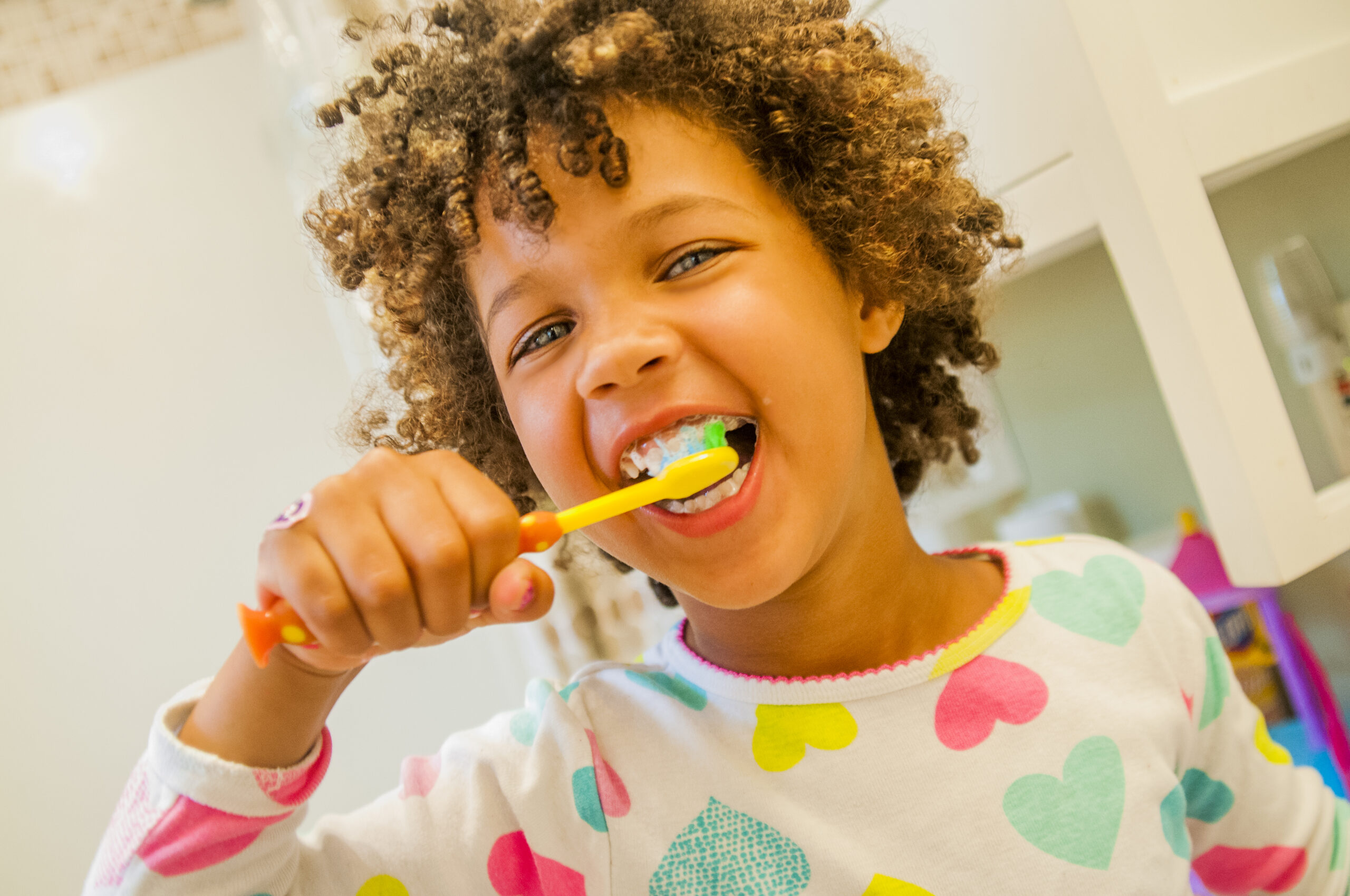
Incorporating playful interaction, such as brushing a favorite doll’s teeth or using storytelling, can transform the process into an engaging experience rather than a chore. Celebrating progress with verbal praise, stickers, or small rewards reinforces the behavior without pressure.
Teaching Proper Technique with Visual and Kinesthetic Supports
Understanding the mechanics of toothbrushing can be abstract for autistic children. Providing concrete, visual, and kinesthetic aids bridges this gap. Visual models showing the teeth and gums clarify what areas require attention. Mirror usage allows children to observe their brushing action, connecting movement with outcome.
Guided hand-over-hand assistance initially can help establish the correct motion and pressure. Gradual fading of physical assistance encourages independence. Additionally, using videos or apps designed for toothbrushing instruction can harness technology to engage children in a medium that may resonate with them.
The Role of Caregiver Attitude and Emotional Tone
The caregiver’s demeanor profoundly influences the child’s receptiveness. Approaching toothbrushing with a calm, cheerful, and encouraging attitude sets the emotional tone. Avoiding coercion, criticism, or frustration reduces negative associations with the activity.
Explicitly verbalizing what is happening—“Now we are brushing the front teeth”—provides clarity and can help soothe anxiety rooted in unpredictability. Celebrating efforts rather than perfection fosters resilience, making setbacks feel like part of a learning process rather than failure.
Adapting Strategies as the Child Grows
Children’s needs and preferences evolve. What works at age three may become less effective at age seven or eight. Ongoing assessment and willingness to modify approaches are essential. As maturation occurs, encourage self-expression about preferences and discomforts related to toothbrushing.
Introducing new tools, such as flavored toothpaste or electric toothbrushes with timers, can invigorate interest. Involving dental professionals who understand autism can offer specialized guidance and support.
Toothbrushing for an autistic child transcends the mechanics of oral hygiene—it represents a profound opportunity for connection, understanding, and empowerment. By embracing sensory differences, cultivating consistent routines, reinforcing positive behavior, providing clear guidance, and maintaining a compassionate emotional climate, caregivers can transform an often stressful task into a meaningful part of the child’s daily life. This paradigm shift fosters not only healthier teeth but a healthier relationship with self-care, independence, and trust.