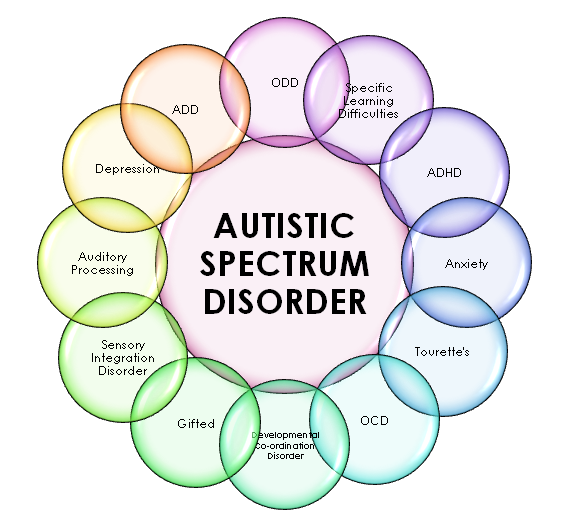
Planning a birthday party for a child with autism is akin to composing a symphony: each note must be perfectly attuned to create a harmonious celebration that resonates with joy and comfort. An autism-friendly birthday party is not merely a gathering; it is a carefully crafted experience designed to embrace neurodiversity, ensuring every guest feels seen, safe, and celebrated. The process demands thoughtful preparation, empathy, and creativity, transforming the familiar chaos of parties into a serene oasis of delight.
Understanding Sensory Sensitivities: The Foundation of Planning
At the heart of crafting an autism-friendly birthday party lies the recognition of the unique sensory experiences that many autistic children navigate daily. Bright lights, loud noises, and bustling crowds can often feel overwhelming. To begin, it is essential to calibrate the environment to mitigate sensory overload. Muted lighting or the option to dim overhead lights can profoundly alter the ambiance, offering a calming respite from the harsh glare that might cause distress.
Sound control is equally pivotal. Rather than a boisterous playlist, opt for gentle background music or even a quiet corner where guests can retreat and decompress if needed. Incorporating noise-cancelling headphones as party favors or providing a sensory-friendly space allows children to self-regulate, a detail that transforms the party’s dynamics from overwhelming to welcoming.
Invitations and Communication: Setting the Stage
Clarity and predictability act as the scaffolding of comfort, especially for autistic children who thrive in environments where expectations are transparent. An autism-friendly birthday party must commence well before the event itself, with invitations that clearly outline what the day will entail. Include details such as the party’s location, schedule, possible activities, and any sensory considerations. Visual aids or social stories can act as invaluable tools, guiding children through what to expect, thus alleviating anxiety rooted in the unknown.
Communication with parents and caregivers is a cornerstone of insightful planning. Engaging in open dialogue to understand each child’s triggers, preferences, and support needs illuminates the path to a personalized event. This collaborative approach ensures that accommodations are not generic, but rather bespoke, tailored to the diverse tapestry of experiences within the guest list.
Activity Planning: A Balance of Structure and Freedom
Within the architecture of an autism-friendly birthday, activities serve as both anchors and launchpads for engagement. The key lies in curating a schedule that marries structure with flexibility. Autistic children benefit from routines, yet the freedom to choose fosters autonomy and joy.
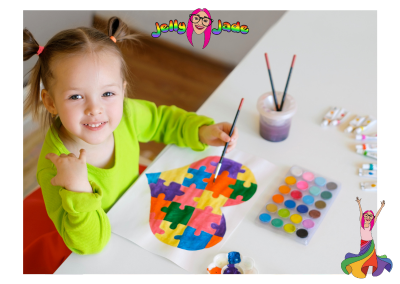
Incorporate activities that appeal to various sensory preferences. For some, tactile experiences such as playdough, water beads, or sand play offer soothing stimuli. Others may be captivated by arts and crafts projects that allow for creative expression at their own pace. Quiet zones with books or puzzles cater to those seeking tranquility amid celebration.

It is prudent to avoid games or activities that require rapid social interaction or complex rules unless modified for accessibility. Instead, consider small group activities that encourage collaboration without pressure. Clear instructions—preferably presented visually—help children understand what is expected without ambiguity.
Food and Nutrition: Comforting and Inclusive Culinary Choices
Food is an integral ritual in any party, yet for children with autism, dietary preferences or restrictions can add layers of complexity. Planning a menu that is inclusive is both a gesture of care and logistical necessity.
Simplify the selection by offering familiar, non-challenging foods while providing allergen-free alternatives. Textural preferences are notable; some children may avoid foods with mixed textures or strong flavors. Consider having options like plain sandwiches, fruit slices, and unseasoned snacks that cater to these preferences. Labeling foods clearly, perhaps with pictures, can further ease anxiety over meal choices.
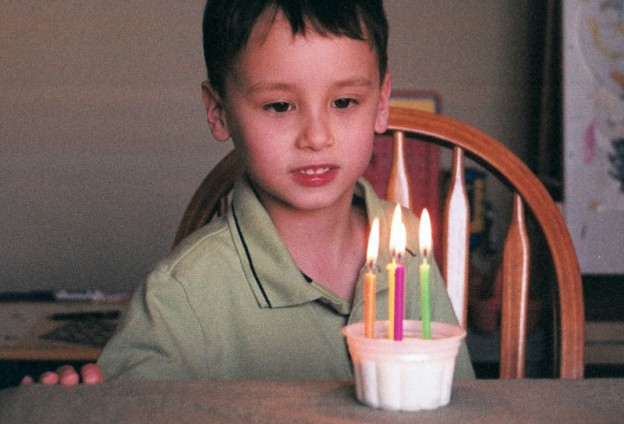
The birthday cake, a quintessential symbol of celebration, can be designed to echo sensory considerations—opting for less sweet versions or cakes with gentle textures ensures the moment is pleasurable rather than stressful. Celebrating inclusivity through food mirrors the broader ethos of the event.
Creating a Comforting Atmosphere: Environment and Décor
Visual clutter can be as unsettling as auditory chaos for children with autism. When decorating, choose a palette that is soft and soothing rather than overly vibrant or chaotic. Opt for minimalist décor that transforms the space into a welcoming venue without overwhelming the senses.

Seating arrangements should promote comfort and accessibility. Provide cozy corners with pillows or bean bags where children can relax. Ensure pathways are wide enough to accommodate movement, free of obstacles that might cause frustration or sensory discomfort. Thoughtful scent control—avoiding strong fragrances—further refines the atmosphere.
Mindful Hosting: The Role of Caregivers and Facilitators
Behind the scenes, attentive caregiving shapes the success of an autism-friendly celebration. Hosts and facilitators must be vigilant, yet non-intrusive, tuned to the nuances of each child’s behavior. Gentle reminders, encouragement, and the ability to adapt quickly to shifts in mood or need are invaluable traits.
Training or briefing any helpers on autism awareness equips them with the sensitivity required to navigate potential challenges with ease and grace. When caregivers are empowered, they weave a safety net that allows the party’s atmosphere to remain buoyant and inclusive.
The Power of Inclusion: Invitations Beyond Neurotypical Norms
Inclusion is not limited to accommodating sensory or communication needs; it extends to cultivating genuine social connections. Encourage peer understanding by educating other children about autism in age-appropriate ways prior to the party. This fosters empathy and builds bridges, enriching the celebration beyond mere formality.
Emphasize strengths and shared experiences rather than limitations. When guests, both autistic and neurotypical, are invited into a space where acceptance reigns, the party blossoms into a microcosm of community and belonging.
Orchestrating an autism-friendly birthday party is a transformative endeavor, one that transcends traditional planning to embrace a philosophy of compassion and respect. Each meticulously chosen detail plays a part in a larger opus—a celebration not just of age, but of individuality, connection, and the radiant spectrum of human experience. Through sensory mindfulness, thoughtful communication, and inclusive celebration, the birthday becomes a cherished memory for all, an echo of joy that lingers long after the last candle is blown.