Puberty is a colossal turning point in any adolescent’s life, a labyrinth of change and uncertainty. When the journey intersects with autism, this natural progression reveals its layers more complexly, demanding nuanced understanding and compassionate guidance. Supporting an autistic teen through puberty challenges caregivers and educators to recalibrate perspectives, unveiling opportunities for empowerment where confusion and frustration often dwell. This metamorphosis is not solely about physical transformations; it is an odyssey of emotional, social, and sensory adjustments that redefine identity and autonomy.
Reframing Puberty: Beyond Physical Changes
Traditional narratives surrounding puberty emphasize biological landmarks—growth spurts, hormonal surges, and the emergence of secondary sexual characteristics. For autistic teens, however, these milestones are entangled with an intricate web of cognitive, sensory, and communicative shifts. Puberty’s onset can precipitate heightened sensory sensitivities and emotional volatility, making everyday environments overwhelming.
Understanding puberty as a holistic transition expands caregivers’ roles beyond monitoring physical health. It invites attentiveness to psychological fluctuations and the rewiring of neural pathways that influence social reciprocity and self-regulation. Viewing this period as a pivotal neurodevelopmental phase encourages tailored support strategies that respect the teen’s unique neurological architecture.

Navigating Sensory Overload with Empathy and Precision
Puberty frequently amplifies sensory processing challenges. Sensations that once existed in the background erupt with intensity—clothing textures feel abrasive, ambient noise morphs into cacophony, and bodily changes provoke unfamiliar discomfort. These sensory experiences can trigger anxiety or behavioral outbursts if left unchecked.
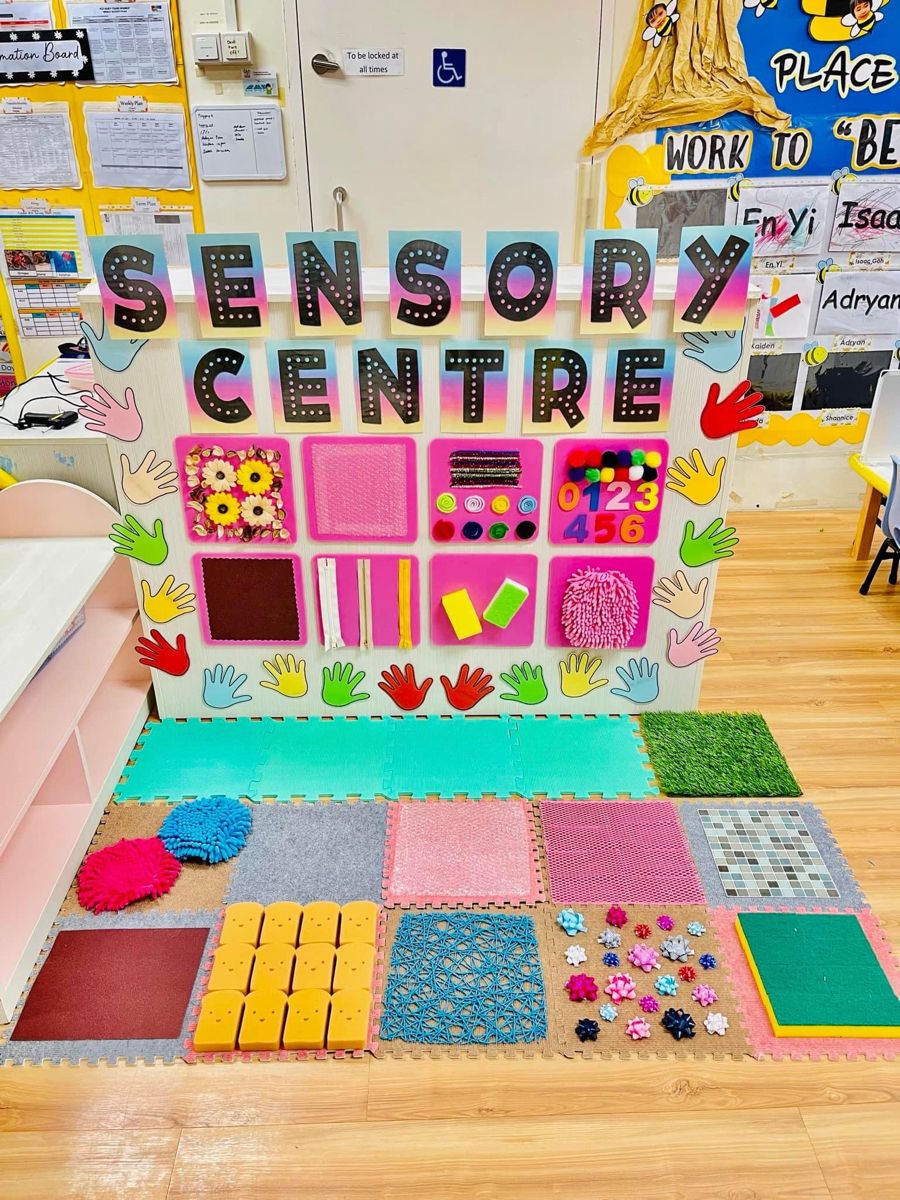
Proactive sensory management becomes indispensable. Caregivers and professionals must cultivate environments that accommodate fluctuating sensory thresholds. Providing access to sensory-friendly clothing, quiet spaces, and calming tools like weighted blankets or noise-canceling headphones can mitigate distress. Moreover, educating the teen about their sensory preferences and offering choices restores agency in a phase rife with change.

Demystifying Emotional Turbulence: The Power of Emotional Literacy
Adolescence unleashes a tempest of emotions, often as perplexing as the physical transformations accompanying puberty. For autistic teens, decoding these feelings poses unique challenges, as alexithymia—or difficulty in identifying and expressing emotions—is common.
Developing emotional literacy is a cornerstone in supporting autistic adolescents. Techniques such as incorporating visual aids like emotion charts or employing narrative storytelling help translate abstract internal experiences into tangible concepts. Encouraging journaling or art therapy offers alternative outlets for self-expression and reflection.
Caregivers should model healthy emotional regulation and validate the teen’s feelings unconditionally, fortifying a safe space where vulnerability is honored, not stigmatized. This approach fosters self-awareness and equips the teen to navigate interpersonal relationships with greater confidence and empathy.
Communication: Tailoring Conversations with Thoughtfulness
Effective communication is pivotal during this developmental epoch. Autistic teens often benefit from clear, concrete language devoid of idioms or abstract notions that can obfuscate meaning. Conversations about bodily autonomy, boundaries, sexual health, and consent must be approached with unambiguous candor and sensitivity.
Utilizing visual supports, social stories, and role-playing can make complex topics more accessible. It is essential to pace discussions according to the teen’s readiness, allowing questions and concerns to surface organically. Open channels of dialogue not only empower the adolescent but also dismantle taboos surrounding puberty and sexuality.
Social Skills Development: Cultivating Connection Amidst Change
Social dynamics transform drastically during puberty. Desire for peer acceptance intensifies, yet social nuances can perplex autistic teens. This dissonance may heighten feelings of isolation or exclusion at a vulnerable time.
Structured interventions focusing on social skills, such as group therapy or social skills training, provide pragmatic tools for interpreting social cues, managing conversations, and building friendships. Encouraging participation in specialized interest groups can foster connection on a foundation of shared passions rather than conventional social norms.
Recognizing that social success is multifaceted—beyond mere conformity—empowers teens to define relationships on their terms, promoting authentic interactions that nourish self-esteem.
Collaborative Planning: Engaging Multidisciplinary Support Systems
A successful navigation through puberty necessitates a collaborative alliance between families, educators, healthcare providers, and therapists. Regular communication ensures a cohesive understanding of the teen’s evolving needs and progress.
Medical professionals should provide accessible information about physical changes and preventative care, demystifying topics like menstruation, sexual health, and hygiene routines. Mental health practitioners can address emerging challenges related to identity, anxiety, or mood disorders intensified by puberty’s upheavals.
Educational settings should implement individualized supports—including sensory accommodations and social-emotional learning curricula—to create nurturing, inclusive spaces where autistic adolescents can thrive academically and socially.
Empowering Autonomy: Fostering Independence and Self-Advocacy
At the heart of supporting an autistic teen through puberty lies the imperative to cultivate autonomy. This developmental stage heralds growing independence, yet it is fraught with uncertainty and vulnerability.
Encouraging decision-making in daily routines, such as clothing selection or personal hygiene, nurtures confidence and skill acquisition. Equally important is teaching self-advocacy—helping teens articulate their needs, set boundaries, and seek assistance when necessary.
Empowerment resonates beyond immediate challenges, sowing the seeds for future self-determination and resilience in adulthood.
Ultimately, guiding an autistic teen through puberty is an invitation to reimagine adolescence itself—not as a tumultuous trial to be endured, but as a transformative passage ripe with growth and potential. With deliberate empathy, informed strategies, and unwavering support, caregivers can illuminate this complex voyage, ensuring the teen emerges not only equipped but emboldened to embrace their evolving self.