
Have you ever wondered how a simple family trip can transform into a labyrinth of sensory overload and unforeseen challenges when traveling with an autistic child? The prospect of a vacation, typically synonymous with relaxation and exploration, can quickly become a source of anxiety for both parents and children alike. Navigating unfamiliar environments while managing sensory sensitivities and communication differences requires foresight, patience, and a well-crafted strategy. But is it possible to orchestrate a travel experience that is not only manageable but genuinely enjoyable? This guide unveils comprehensive strategies to transform your journey into a harmonious adventure, free from undue stress.
Understanding the Unique Needs of an Autistic Child
Before packing your bags, it’s paramount to acknowledge the individual nuances that shape your child’s experience. Autism spectrum disorder manifests in myriad ways, from challenges in communication and social interaction to heightened sensory sensitivities. For some children, the cacophony of an airport or the flashing lights of an unfamiliar hotel room can be overwhelming, provoking distress or shutdowns.
Embracing this understanding is the cornerstone of stress-free travel. Instead of approaching the journey as a standard excursion, view it through the lens of your child’s distinct sensory and emotional profile. This shift in perspective fosters empathy and bolsters your ability to anticipate potential pitfalls before they arise.
Meticulous Pre-Trip Preparation: Laying the Foundation
Forewarned is forearmed. The adage holds especially true when traveling with an autistic child. Thorough pre-trip preparation can dramatically reduce anxiety by fostering predictability. Begin by creating a visual itinerary featuring clear, simple icons or images outlining each step of the journey—from packing and departure to arrival and bedtime.
Introduce this visual schedule well in advance, acclimating your child to the upcoming changes in routine. Additionally, research the destination meticulously, identifying quiet zones, sensory-friendly activities, and accommodations that cater to special needs. Equipping yourself with knowledge about local medical facilities and emergency contacts further safeguards the trip.
Choosing Sensory-Friendly Accommodations
Where you stay can profoundly impact your child’s comfort. Opt for accommodations that offer tranquility and flexibility. A room away from elevators, ice machines, or other high-traffic areas can provide much-needed respite from sensory bombardment. Some hotels now provide sensory kits or quiet rooms—services worth investigating beforehand.
Strategic Packing: Bringing Comfort and Familiarity Along
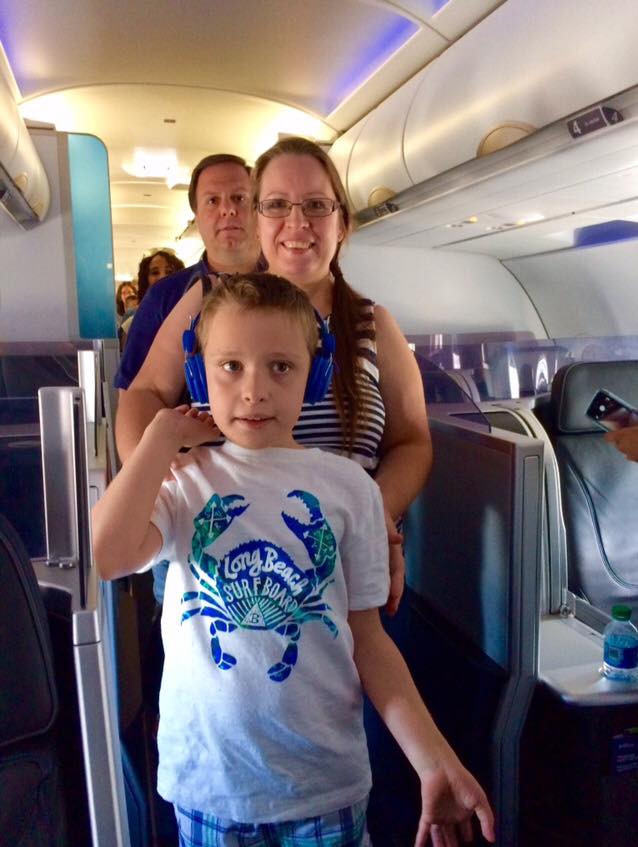
Items that resonate with your child’s comfort and routine should be incorporated meticulously. Consider noise-canceling headphones to mitigate overwhelming sounds and favorite tactile objects to anchor their sense of security. Pack snacks that your child favors, maintaining dietary consistency and avoiding potential distress caused by unfamiliar tastes or textures.
A small first-aid kit with familiar medications and sensory aids, such as weighted blankets or fidget tools, can further enhance your preparedness. The key is balancing practicality with familiarity to ease transitions and unexpected moments of stress.
Implementing Routine and Flexibility in Tandem
Routine is a sanctuary for many autistic children, providing stability amidst a world often fraught with unpredictability. Strive to replicate familiar patterns such as consistent meal and sleep times, even while traveling. Yet, paradoxically, flexibility is equally critical. Travel inherently involves unforeseen delays and changes, so fostering adaptability through gentle, positive reinforcement can empower your child.
Utilize transition warnings and countdowns to gently prepare your child for changes. For example, announce “We will leave the playground in five minutes” or “Only two more stops before we arrive.” These cues bridge the gap between routine and new experiences.
Communication: Tools and Techniques
Effective communication transcends mere verbal instruction. Depending on your child’s communication style, augmentative methods such as picture exchange communication systems (PECS), sign language, or communication devices may be instrumental. Prepare these tools ahead and use them consistently.
Engaging your child in conversations about the trip, fostering questions and expressions, empowers them with agency and reduces anxiety associated with uncertainty.
Managing Sensory Overload: Practical Strategies
Sensory overload is one of the quintessential challenges in traveling with an autistic child. Bright lights, bustling crowds, loud announcements—these stimuli can disrupt equilibrium and induce meltdowns. Countermeasures include seeking quiet spaces for respite, scheduling travel during less crowded times, and applying sensory aids.
In transit, dimming the lights when possible, providing sunglasses or caps, and gently reminding your child of breathing exercises can prove invaluable. Sensory breaks should be a scheduled and welcomed part of the itinerary rather than an emergency reaction.
Travel Companions and Support Systems
Travel can be an overwhelming endeavor for any family. When possible, enlist additional support such as a trusted relative, friend, or professional aide. Having an extra set of hands not only alleviates parental stress but also enables more attentive care to your child’s needs.
Moreover, informing airline staff, hotel personnel, or tour operators of your child’s requirements beforehand can facilitate accommodations such as early boarding or priority seating, fostering a smoother experience.
Post-Travel Decompression and Reflection
The journey does not conclude upon arrival at home. Post-travel decompression is vital to help your child transition back to familiar environments and reduce residual stress. Maintain routines, allow time for rest, and engage in calming activities that reinforce security.
Reflect on the trip’s highs and challenges. Celebrate successes, however small, and consider adjustments for future travel. This reflective practice sharpens your strategies and builds confidence for subsequent adventures.
Traveling with an autistic child is undeniably complex, but it is far from insurmountable. Through deliberate preparation, empathetic understanding, and adaptive strategies, journeys can morph into cherished memories rather than relentless trials. Embrace each voyage as an opportunity for growth, connection, and shared discovery—transforming the unknown into a mosaic of comfort and joy.