Embarking on the journey towards autonomy presents distinct challenges and opportunities for autistic adults. Navigating the labyrinth of life skills is essential for fostering independence, enhancing self-confidence, and cultivating meaningful relationships. This practical guide offers an expansive exploration of the multivariate competencies autistic adults can develop to thrive in diverse environments. Through a compendium of strategic insights and actionable advice, readers will uncover the nuances of daily living tailored to their needs and aspirations.
Essential Social Skills for Meaningful Interaction
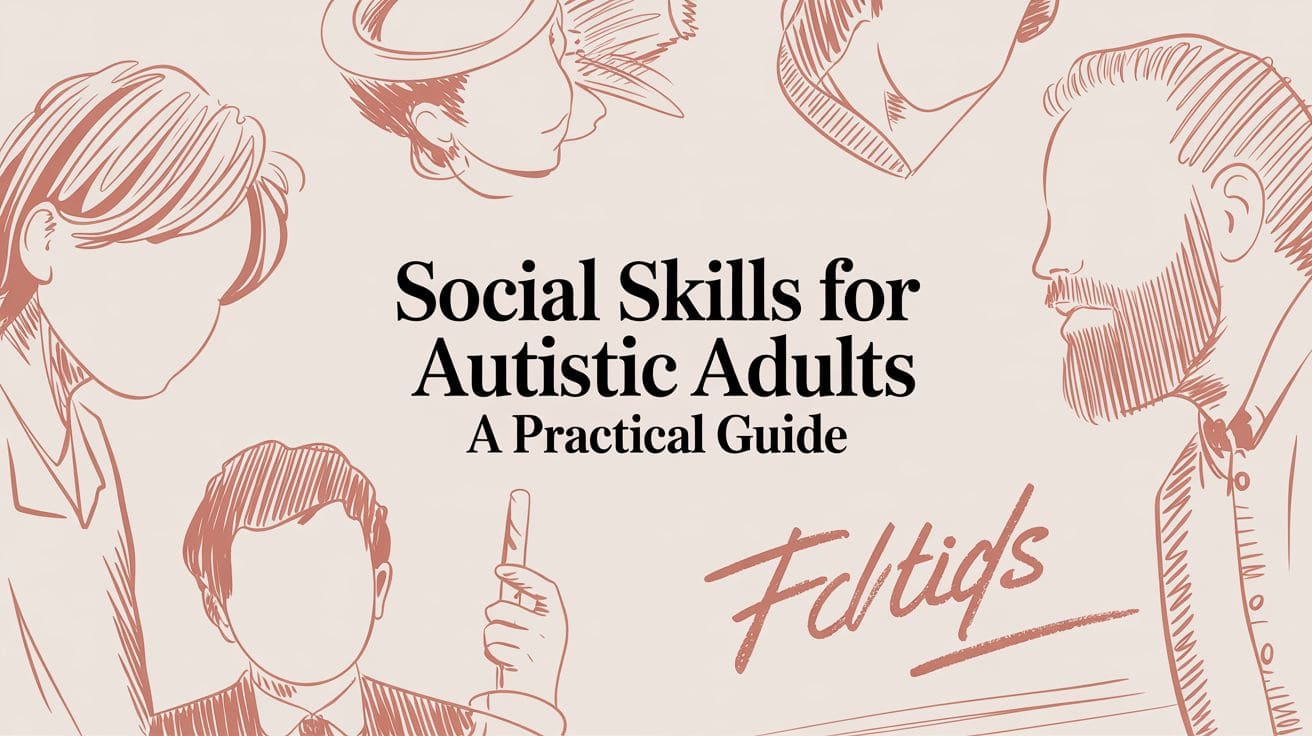
Social engagement is a cornerstone of human experience, yet it often requires deliberate cultivation, especially for autistic adults. Mastering pragmatic social skills involves understanding both verbal and nonverbal cues, adapting to fluctuating social contexts, and interpreting subtleties such as tone and body language. Content focusing on enhancing these abilities commonly includes role-playing scenarios, reflective exercises, and communication frameworks designed to build empathy and assertiveness.
Integrative strategies emphasize not only initiating and maintaining conversations but also recognizing boundaries and managing sensory sensitivities in social settings. This duality ensures interpersonal exchanges feel authentic and comfortable, fostering relationships that are both supportive and enriching.
Employment Opportunities and Vocational Empowerment
Securing and sustaining meaningful employment remains a pivotal element of adult independence. The vocational landscape for autistic individuals can vary vastly, necessitating tailored approaches to job discovery and career development. Content in this domain provides guidance on identifying strengths, navigating job markets, and understanding workplace accommodations.
Detailed guides often highlight sectors where autistic adults excel, such as technology, creative arts, or specialized trades, emphasizing the alignment of personal interests with occupational fulfillment. Moreover, advice on crafting compelling resumes, mastering interview techniques, and leveraging support networks equips readers with a competitive edge while fostering confidence.

Independent Living and Financial Management
Achieving independence transcends securing employment; it encompasses the spectrum of daily living competencies, from budgeting to household maintenance. Empowering autistic adults to manage personal finances involves demystifying concepts such as budgeting, saving, and understanding credit.
Instructional content may delineate step-by-step processes for creating manageable budgets, prioritizing expenses, and planning for long-term financial stability. Parallel to fiscal acumen, resources often include guidance on meal preparation, home organization, and time management—the keystones of sustainable independent living.

Health and Wellness Maintenance
Physical and mental health are inextricably linked to quality of life. Content dedicated to health for autistic adults typically addresses routine healthcare navigation, recognizing bodily cues, and cultivating wellness-oriented habits. This includes strategies for scheduling medical appointments, understanding prescriptions, and advocating for oneself within healthcare systems.
Additionally, wellness practices such as mindfulness, sensory regulation, and adaptive physical activity are explored to support emotional equilibrium and reduce stress. These integrative approaches prioritize holistic health, paving the way for durable well-being.
Building and Sustaining Support Networks
Support systems are vital scaffolds for autonomy and resilience. Cultivating reliable relationships—whether through family, peers, or community groups—provides a foundation of encouragement and resource sharing. Content in this sphere offers methods for identifying valuable supports, setting boundaries, and effective communication therein.
Moreover, exploration of advocacy groups and social clubs tailored for autistic adults can foster a sense of belonging and collective empowerment. Navigating these networks with intention enhances social capital and enriches daily experiences.
Technology as a Facilitator of Independence
Technological innovations have transformed accessibility and autonomy. Educational content frequently examines assistive devices, mobile applications, and digital tools designed to streamline daily tasks and communication for autistic adults. From scheduling apps and reminder systems to sensory-friendly entertainment, technology serves as a versatile ally.
Learning how to integrate these tools thoughtfully into everyday routines can alleviate challenges, boost productivity, and enhance social connectivity—ultimately reinforcing a self-directed lifestyle.
In summation, the spectrum of life skills for autistic adults is diverse and richly layered. Cultivating proficiency across social, vocational, financial, health, and technological domains equips individuals with the means to navigate their environment with assurance and grace. Embracing this journey with tailored resources and practical strategies not only empowers independent living but also celebrates the unique strengths and potentials of every autistic adult.