Can a series of simple pictures unlock a world of communication for individuals with autism, who often find verbal expression challenging? The Picture Exchange Communication System (PECS) is not merely a tool; it represents a transformative bridge between silence and meaningful interaction. Yet, navigating the complexities of PECS implementation can pose significant challenges for caregivers and educators alike. This exploration delves into the nuanced facets of PECS, its foundational principles, and its profound impact on the autism community.
Understanding the Fundamentals of PECS
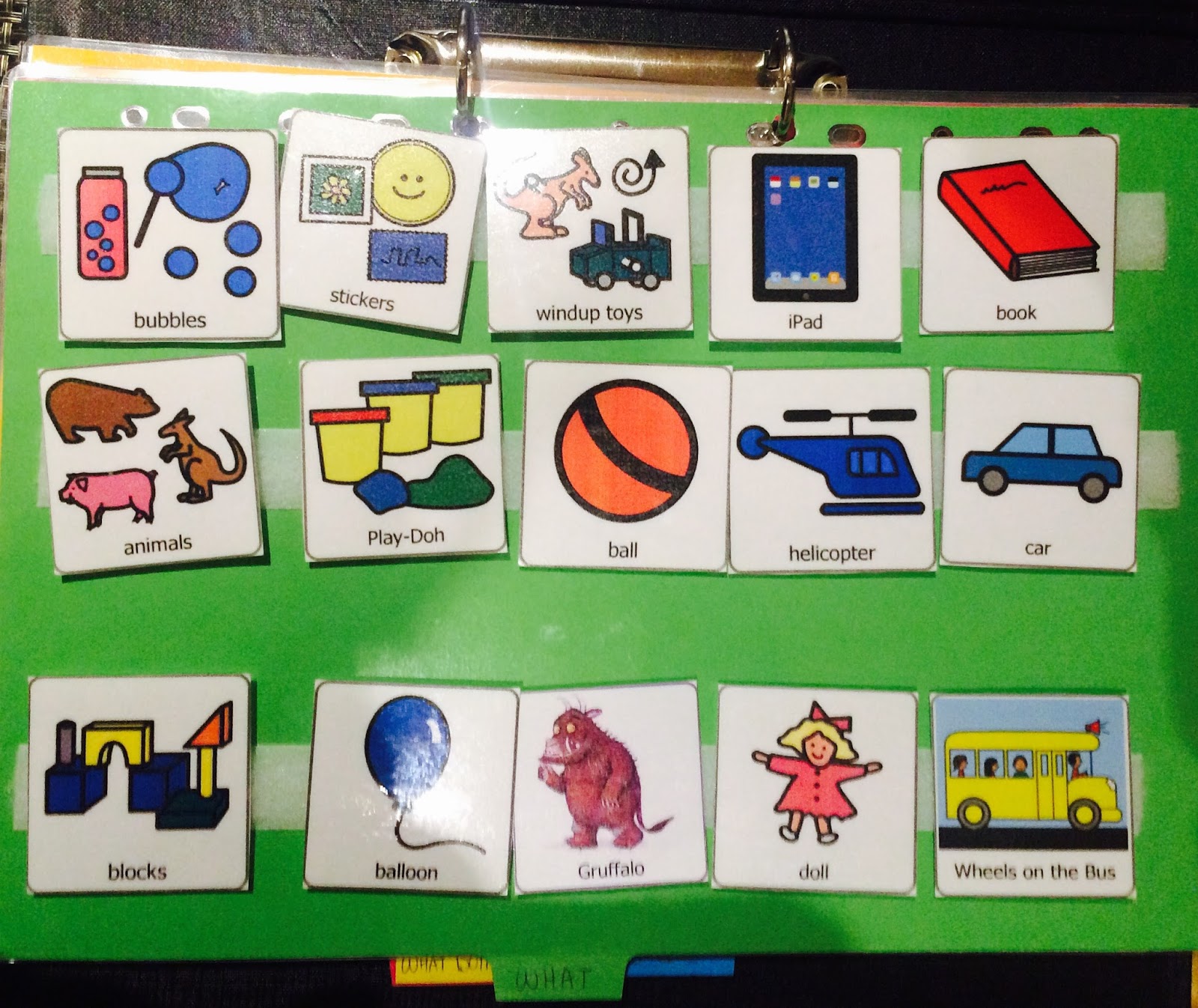
At its core, the Picture Exchange Communication System is an augmentative and alternative communication methodology, designed to facilitate expression for individuals with limited or absent speech. PECS operates on the principle of exchanging iconic images to communicate desires, thoughts, or needs. Unlike conventional communication aids, PECS emphasizes spontaneous interaction, compelling the user to initiate exchanges deliberately. This process hinges on behavioral principles such as prompting, fading, and reinforcement, which collectively nurture autonomy and communicative intent.
The genesis of PECS lies in the need to circumvent verbal communication barriers without overwhelming the individual with linguistic complexity. Instead, a tangible, image-based vocabulary forms the cornerstone, providing clear, contextualized symbols that hold immediate relevance. This simplification paradoxically demands a sophisticated understanding of symbolism and social cues, rendering the learning journey deeply personalized.

The Structured Phases: Guiding the Path to Communication
PECS methodology unfolds through a sequence of meticulously designed phases, each articulating progressively complex communication skills. Commencing with Phase I, the learner is introduced to the rudimentary act of exchanging a single picture for a desired object, such as a preferred toy or snack. This establishes the fundamental concept that communication has power and consequence.
Subsequent phases introduce discrimination between multiple images, sentence formation through picture sequences, and ultimately, responsive communication where learners answer queries or comment on their environment. This scaffolded learning enables a gradual build-up of proficiency, allowing customization to suit individual capabilities and needs.
Despite the seemingly linear design, facilitators often encounter hurdles such as motivational disparity or difficulties in picture discrimination, which require patience and adaptive strategies. The role of the practitioner transcends mere instruction; it demands intuition, creativity, and consistent reinforcement.
PECS in Practice: Real-World Implications and Benefits
One may contemplate to what extent PECS influences the lives of those on the autism spectrum. Empirical observations and anecdotal evidence converge on a consensus that PECS can dramatically enhance communicative competence and reduce frustration-driven behaviors. By providing a reliable channel for expression, PECS alleviates the emotional burden often borne by non-verbal individuals, fostering a sense of empowerment and self-efficacy.
In educational environments, PECS promotes inclusivity and collaboration. Students equipped with PECS can participate more fully in classroom activities and social interactions, bridging gaps between themselves and peers or instructors. Caregivers and families also benefit, as improved communication diminishes misunderstandings and nurtures relationships laden with empathy and respect.
Challenges in Implementation: Navigating the Complex Terrain
While PECS offers a beacon of hope, it is not without intricacies and potential pitfalls. One substantial challenge involves the consistency of use across environments; without uniform application by educators, therapists, and family members, progress may stagnate. This necessitates extensive training and coordination to create a supportive communicative ecosystem.
Moreover, the transition from picture-based systems to verbal communication can be arduous. Some individuals may become reliant on PECS, exhibiting reluctance to develop speech despite encouragement. Addressing this requires tailored intervention plans, often integrating speech therapy and behavioral modification techniques.
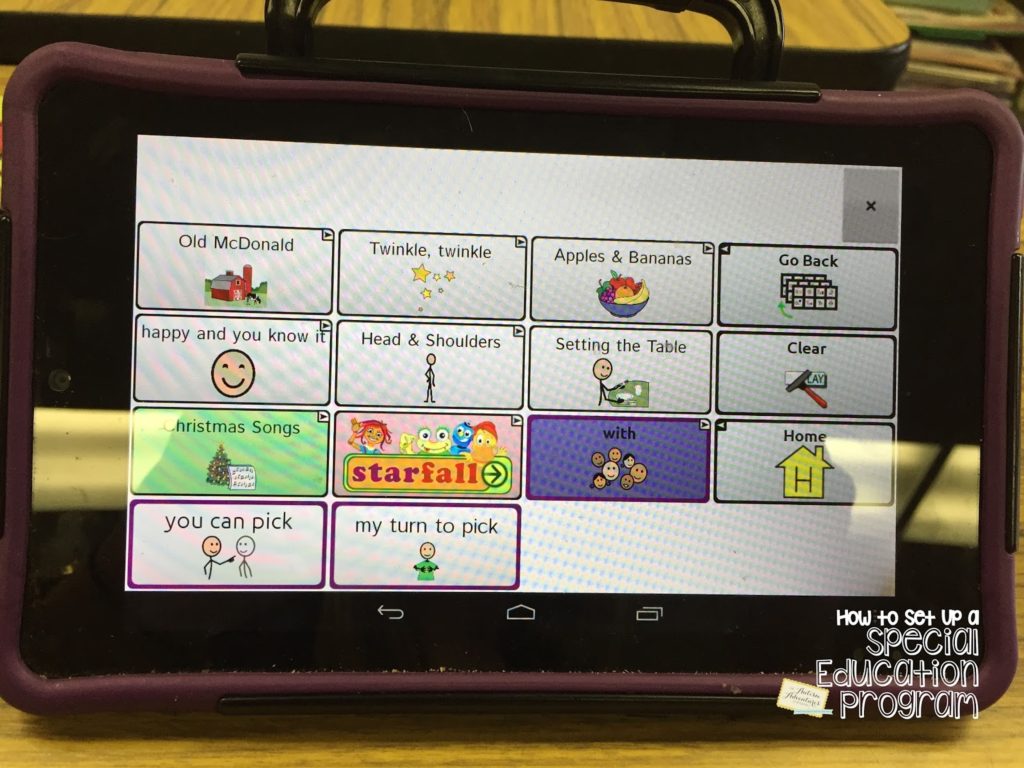
Technological advancements have introduced alternatives and supplements to PECS, such as speech-generating devices or mobile applications. While these tools can complement or even replace traditional PECS cards, they introduce additional variables—cost, accessibility, and learning curve—that must be thoughtfully considered.
Fostering a Collaborative and Compassionate Approach
Success with PECS necessitates collaboration, patience, and an unwavering commitment to the individual’s growth. Parents, therapists, educators, and clinicians form a constellation of support, each playing an indispensable role in reinforcing the communicative behaviors PECS cultivates. This multidisciplinary synergy is vital for overcoming obstacles and adapting methods as the learner evolves.
Equally important is the cultivation of an environment that celebrates small victories and normalizes diverse communication styles. Society’s recognition of non-verbal communication methods fosters inclusion and diminishes stigma, paving the way for broader acceptance and understanding of autism.

In the grand narrative of autism intervention, PECS stands as a testament to ingenuity and empathetic design—an emblem of hope amid communication challenges. Its efficacy lies not merely in the exchange of pictures but in the empowerment it grants to voices otherwise unheard. Embracing the intricacies of PECS, with all its demands and rewards, enables a reimagining of communication as an inclusive, accessible domain where every individual’s needs and expressions hold profound value.