The concept of Pervasive Developmental Disorder (PDD) occupies a unique and transformative chapter in the annals of neurodevelopmental research. Far from a mere diagnostic label, PDD encapsulates a spectrum of conditions that have profoundly shaped our understanding of human cognitive diversity and social functioning. The historical trajectory of PDD is a tale of evolving perceptions, shifting paradigms, and relentless pursuit of clarity in the face of complex developmental phenomena.
Origins of Pervasive Developmental Disorder: Defining the Undefined
In the mid-20th century, medical and psychological communities grappled with children exhibiting unusual patterns of social interaction, communication, and behavior. These challenges defied classical categorizations of mental disorders, prompting a quest for a new conceptual framework. The term “Pervasive Developmental Disorder” was introduced to encapsulate a group of conditions characterized by pervasive delays in the development of multiple basic functions, including socialization and communication.
Initially, these conditions were loosely classified and poorly understood, often subsumed under broader categories such as childhood schizophrenia or intellectual disability. This ambiguity signaled the nascent stage of a field wrestling with its own limitations in diagnostic precision and etiological understanding. PDD, therefore, emerged as a provisional umbrella term, acknowledging a shared pervasive impairment without fully disentangling its constituent disorders.

The Expansion and Subdivision of PDD Categories
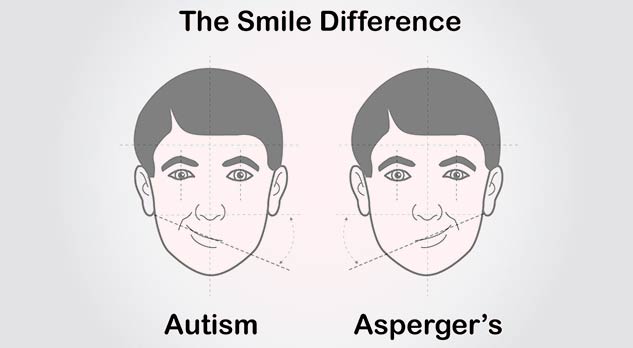
As clinical observation and research methodologies advanced, it became evident that PDD was not a monolithic entity. Rather, it comprised diverse conditions with overlapping yet distinct profiles. The Diagnostic and Statistical Manual of Mental Disorders (DSM) incorporated PDD in its third edition and subsequently elaborated on it in DSM-IV. This era marked the delineation of specific subtypes such as Autistic Disorder, Asperger’s Syndrome, Childhood Disintegrative Disorder, Rett Syndrome, and PDD-Not Otherwise Specified (PDD-NOS).
Each subtype reflected varying degrees of impairment and symptomatology, contributing to a nuanced taxonomy that acknowledged heterogeneity within pervasive developmental challenges. This subdivision was critical in guiding individualized intervention strategies and fostering a deeper understanding of neurodevelopmental trajectories.
The Paradigm Shift: From Disorders to Spectrum
Entering the 21st century, the conceptualization of PDD underwent a radical transformation. The rigid silos of subtypes began to dissolve under the weight of extensive empirical evidence revealing a continuum of symptoms rather than discrete categories. This recognition birthed the Autism Spectrum Disorder (ASD) classification, subsuming previously distinct PDD diagnoses into a unified spectrum.
This shift was more than semantic. It represented a fundamental change in perspective—one that embraced variability, complexity, and the interconnectedness of developmental phenomena. The spectrum model acknowledged that developmental challenges could manifest in multifarious ways, with individual profiles that defy simplistic categorization. It compelled clinicians, researchers, and families to reconsider prior assumptions and to regard these conditions through a more holistic and dynamic lens.
Contemporary Assessment and Diagnostic Criteria
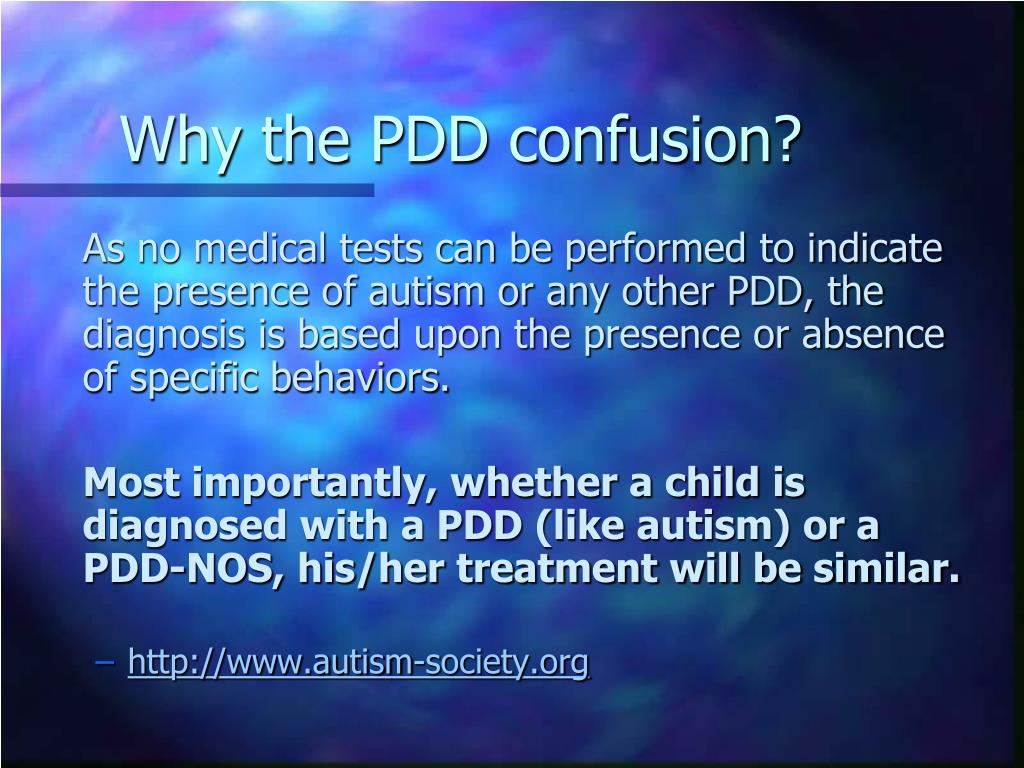
With the rising consensus on the spectrum approach, diagnostic practices saw a corresponding evolution. Standardized assessment tools, including observational protocols and developmental scales, have become indispensable in discerning the nuanced presentations of ASD. The focus shifted toward early detection and intervention, recognizing the critical window during which developmental trajectories can be positively influenced.
Moreover, the shift away from the discrete PDD subcategories toward a dimensional diagnosis underscores the importance of tailored support mechanisms. Clinicians now emphasize individualized profiles, recognizing the unique constellation of strengths and challenges each person presents. This personalized approach enhances both the validity of diagnoses and the efficacy of interventions.
Implications of Evolving Nomenclature on Research and Society
The metamorphosis from Pervasive Developmental Disorder to Autism Spectrum Disorder carries profound implications beyond the clinic. It invites a reevaluation of societal attitudes toward neurodiversity and challenges stigmatizing narratives. The spectrum conceptualization promotes inclusivity, encouraging acceptance of neurological differences as part of the human condition rather than pathologies to be eradicated.
In research, this evolution spurs inquiry into a wider array of neurodevelopmental mechanisms, genetic underpinnings, and environmental interactions. It has catalyzed interdisciplinary collaborations across psychology, neuroscience, education, and social sciences, fostering a richer and more integrated knowledge base. The abandonment of rigid diagnostic silos paves the way for novel interventions that are adaptive, flexible, and person-centered.
Looking Forward: The Future of PDD Understanding
The history of Pervasive Developmental Disorder is not merely retrospective; it is a prologue to ongoing paradigmatic shifts. As science progresses, new technologies such as neuroimaging, genomics, and artificial intelligence are poised to refine our grasp of developmental disorders. These innovations hold promise for earlier detection, deeper mechanistic insights, and more effective personalized therapies.
Furthermore, the evolving language surrounding PDD and ASD reflects a growing recognition of the importance of lived experiences and self-advocacy within neurodiverse communities. Future perspectives are likely to integrate biological, psychological, and sociocultural dimensions, crafting a more comprehensive and empathetic understanding of developmental diversity.
In conclusion, the history and evolution of Pervasive Developmental Disorder encapsulate a profound transformation in how developmental challenges are conceived, diagnosed, and addressed. From its ambiguous origins to its current embodiment within the Autism Spectrum framework, PDD’s journey mirrors the scientific community’s quest to unravel complexity and honor individuality. This story promises to continue shaping our perspectives, inspiring curiosity, and guiding future innovations in understanding the intricate tapestry of human development.