
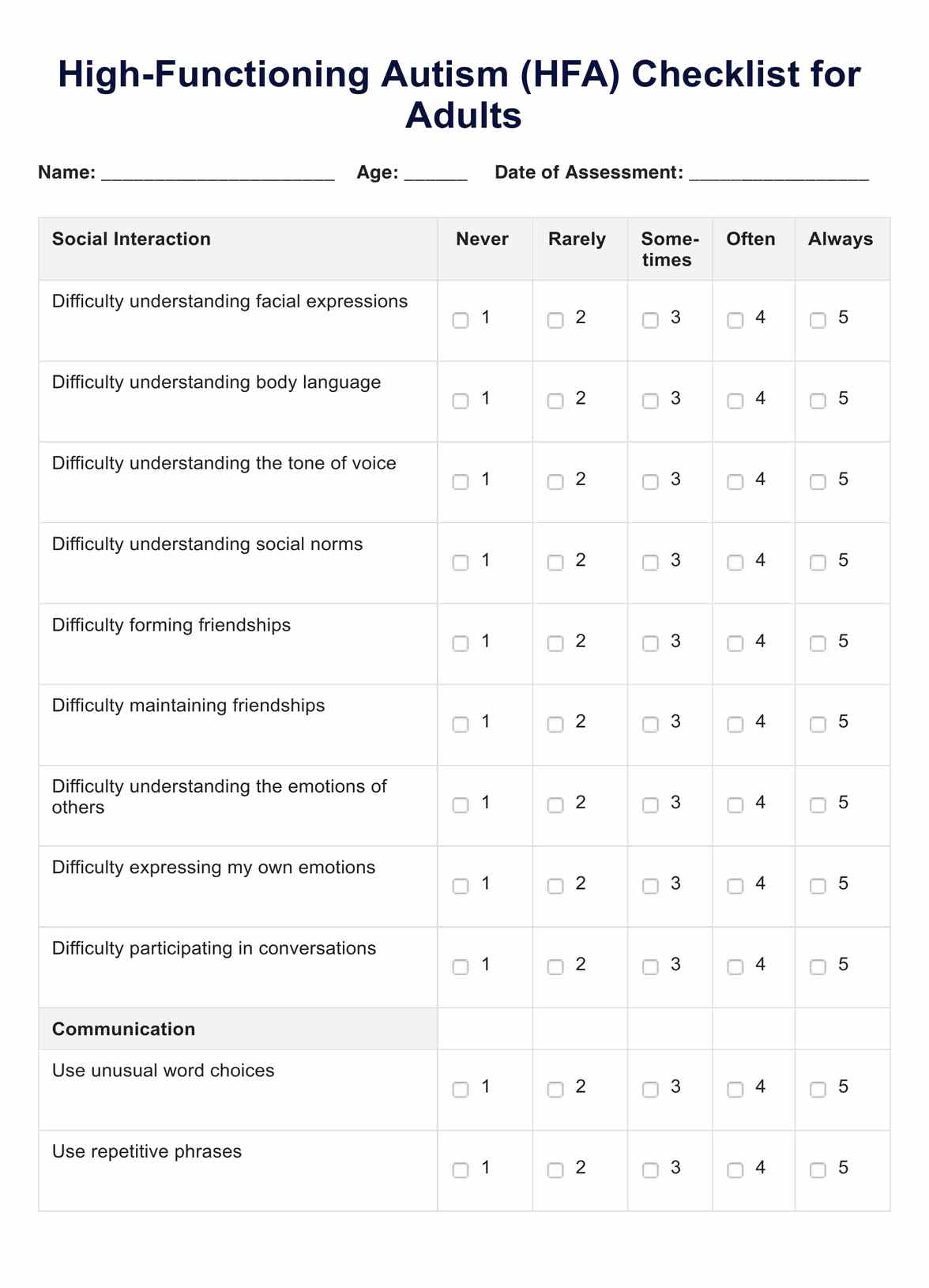
Embarking on the journey toward an autism evaluation can seem daunting for any parent. The anticipation often mingles with uncertainty and a cascade of questions: What should I expect? How can I prepare to ensure the process is thorough and beneficial? This checklist aims to pivot your perspective—from apprehension to empowerment—unlocking clarity amidst the complexity, and guiding you with an assured hand through the labyrinth of preparation.
Understanding the Purpose of an Autism Evaluation
Before delving into logistics, it is crucial to grasp the underlying intent of an autism evaluation. Far from a simple diagnostic tool, it serves as a comprehensive map, illuminating your child’s unique neurodevelopmental landscape. This assessment is not solely about categorizing behaviors or labeling; it reveals strengths, challenges, and pivotal insights that will shape future interventions. Viewing the evaluation through this prism fosters a profound appreciation for its transformative potential.
Gathering Developmental and Medical Histories
A meticulously detailed history acts as the compass for clinicians. Parents should prepare to aggregate all pertinent information, starting from prenatal conditions to early developmental milestones. This includes medical records, immunization histories, previous assessments, and anecdotal observations that capture behaviors in diverse settings. Be attentive to recording any regressions, sensory sensitivities, or atypical communication patterns. The depth and accuracy of this data form the foundation for nuanced interpretation during the evaluation.
Documenting Behavioral Observations and Communication Patterns
Systematic tracking of behaviors prior to the evaluation cannot be overstated. Maintaining a log or journal detailing frequency, triggers, and context of specific actions—be it repetitive motions, social withdrawal, or unexpected reactions—provides invaluable granularity. Noting the nuances of verbal and nonverbal communication patterns, including gestural language, eye contact, and pragmatic speech usage, further enriches the clinical narrative. This proactive step transforms subjective impressions into objective evidence, facilitating precision in diagnosis.
Preparing Questions and Concerns for the Evaluators
Engaging proactively with evaluators demonstrates not only commitment but fosters a collaborative atmosphere. Compile a list of thoughtful questions addressing the evaluation process, potential outcomes, and intervention pathways. Consider inquiries about multidisciplinary involvement, assessment tools employed, and how cultural factors may influence interpretations. Moreover, articulating specific parental concerns ensures they are adequately acknowledged and integrated into the evaluation framework.
Organizing and Bringing Essential Documents
Organizational readiness is paramount. Assemble all relevant documentation—developmental checklists, educational records, previous psychological reports, and communication samples—in a coherent and easily accessible format. Digital copies backed up on a mobile device or a USB drive serve as an efficient backup. Hand-carrying these materials to the evaluation prevents delays, enables seamless reference, and conveys a professional approach that resonates positively with clinicians.
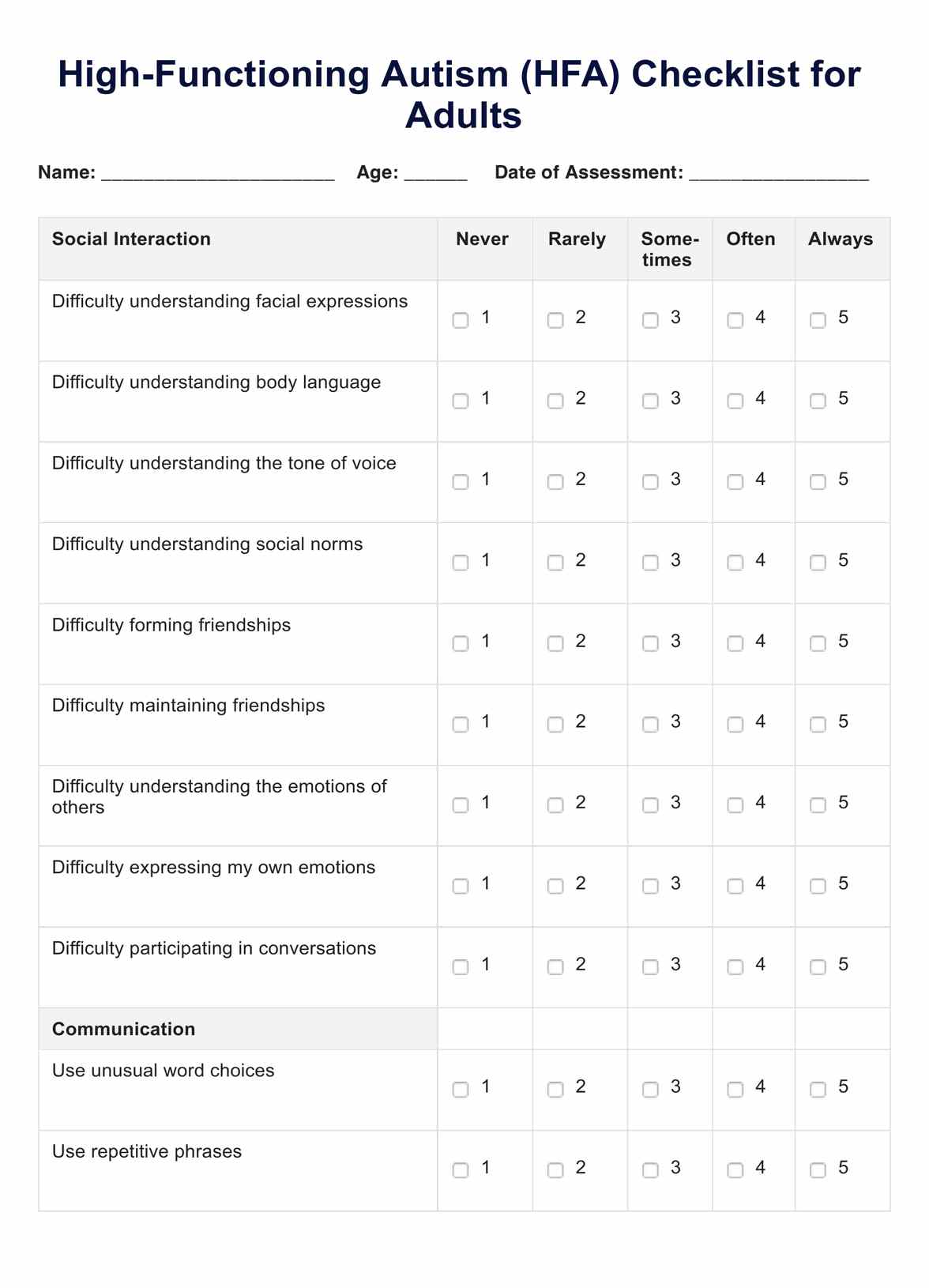
Preparing Your Child Emotionally and Physically
While the evaluation revolves around clinical appraisals, the emotional landscape of your child demands equal attention. Sensory sensitivities, anxiety, and unfamiliar environments can influence test outcomes. Prepare your child by introducing the concept in a gentle, age-appropriate manner, perhaps through social stories or role-playing scenarios. Ensuring adequate rest, nutrition, and calming routines on the day of evaluation helps mitigate stress, allowing for a more authentic representation of behaviors and capabilities.
Arranging Logistics to Reduce Stress
On the day of the evaluation, logistical details can either mitigate or amplify stress for both parent and child. Plan the appointment at a time when your child is most alert and cooperative. Allocate extra travel time to buffer against unforeseen delays. Bring comfort items, such as favorite toys or headphones, especially if the evaluation setting is overwhelming. Understanding and accommodating sensory needs within the environment can significantly enhance the accuracy and positivity of the experience.
Understanding the Multidisciplinary Nature of Assessments
Autism evaluations typically involve a consortium of specialists, each contributing a unique perspective—psychologists, speech therapists, occupational therapists, and pediatricians, among others. Anticipate a collaborative assessment approach where cognitive, behavioral, social, and sensory domains are explored holistically. Awareness of this multipronged methodology underscores the complexity of autism and dispels oversimplified notions, paving the way for richer, individualized intervention plans.
Reflecting on Your Role During and After the Evaluation
Parents are not passive observers but indispensable partners in the evaluation journey. During the process, your honest and detailed input is critical. Post-evaluation, coupling clinical insights with your intimate knowledge of your child cultivates a pragmatic framework for next steps. Embrace this role with confidence; your perspective bridges clinical findings with the unique fabric of your family’s lived experience.
Anticipating the Outcome and Planning Forward
Outcomes of autism evaluations vary widely but invariably set the stage for intervention. Whether confirming a diagnosis or clarifying concerns, results often introduce a new lexicon—therapies, accommodations, and supports—which can feel overwhelming. Preemptively educate yourself on available resources and supports, and cultivate a mindset open to ongoing learning. Remember that the evaluation is but a threshold; the true journey lies in tailored interventions and advocacy that unlock your child’s potential.
Conclusion: Transforming Anxiety into Informed Empowerment
Preparing for an autism evaluation requires more than logistical readiness—it calls for a shift in mindset from apprehension to advocacy. This checklist embodies that transformation by equipping parents with detailed steps that illuminate the path ahead. With intentional preparation, you move beyond uncertainty into a place of informed empowerment. The evaluation transforms from an intimidating unknown into a vital process that uncovers profound insights, catalyzing meaningful support and fostering the flourishing of your child’s unique voice in the world.












