
Recognizing autism spectrum disorder (ASD) in preschool children is a pivotal step for parents and caregivers seeking to support their child’s unique developmental trajectory. Early identification can profoundly influence the effectiveness of interventions, fostering a more inclusive and nurturing environment for the child. This checklist serves as a comprehensive guide that encapsulates behavioral indicators, emotional cues, and social interaction patterns to aid parents in discerning autism symptoms during these formative years.
Understanding Developmental Milestones and Variations
Preschool years, typically defined as ages 3 to 5, are marked by rapid acquisition of social, cognitive, and communication skills. While developmental milestones offer a general roadmap, it is crucial to acknowledge the heterogeneity of childhood growth. Children with autism often demonstrate asynchronous development where certain skills progress while others lag or manifest atypically. Thus, recognizing deviations from expected milestones requires a nuanced awareness rather than rigid comparisons.
Parents should monitor foundational abilities such as joint attention, imaginative play, and reciprocal communication. A child who consistently avoids eye contact or resists engaging with peers during playtime may signal early autistic tendencies. Conversely, a delay in spoken language or repetitive, ritualistic behaviors can also provide vital clues.
Social Interaction Patterns: Decoding Subtle Signals
One of the hallmark characteristics of autism lies in altered social reciprocity. Preschool children with autism might exhibit diminished response to their name or appear indifferent to social overtures, such as waving or smiling. Unlike neurotypical peers who seek shared experiences eagerly, an autistic child may prefer solitary activities or exhibit limited interest in others’ emotions.
Parents should observe whether their child initiates or sustains peer interactions. A marked preference for solitary play or difficulty interpreting social cues, such as facial expressions and body language, might necessitate further evaluation. These social idiosyncrasies, while subtle, are fundamental in constructing a detailed behavioral portrait.
Communication Challenges: Beyond Spoken Language
Communication deficits in autism extend beyond delayed speech. Many preschool children on the spectrum manifest echolalia—repetitive parroting of words or phrases—often used as a means of processing language. Additionally, challenges in pragmatic language, such as understanding sarcasm, gestures, or tone variations, can hinder effective exchanges.
Parents should evaluate both verbal and nonverbal communication cues. Limited use of gestures like pointing or showing objects, absence of spontaneous sharing of interests, or difficulty with back-and-forth conversations are salient indicators. It is also important to consider the child’s ability to modulate vocal pitch and rhythm, as monotonic or sing-song speech patterns can emerge.
Repetitive Behaviors and Restricted Interests
Repetitive behaviors constitute a core component of autism’s diagnostic criteria. Preschoolers may engage in stereotyped movements such as hand-flapping, rocking, or spinning objects. These behaviors often serve as coping mechanisms to self-regulate heightened sensory inputs or emotional states.
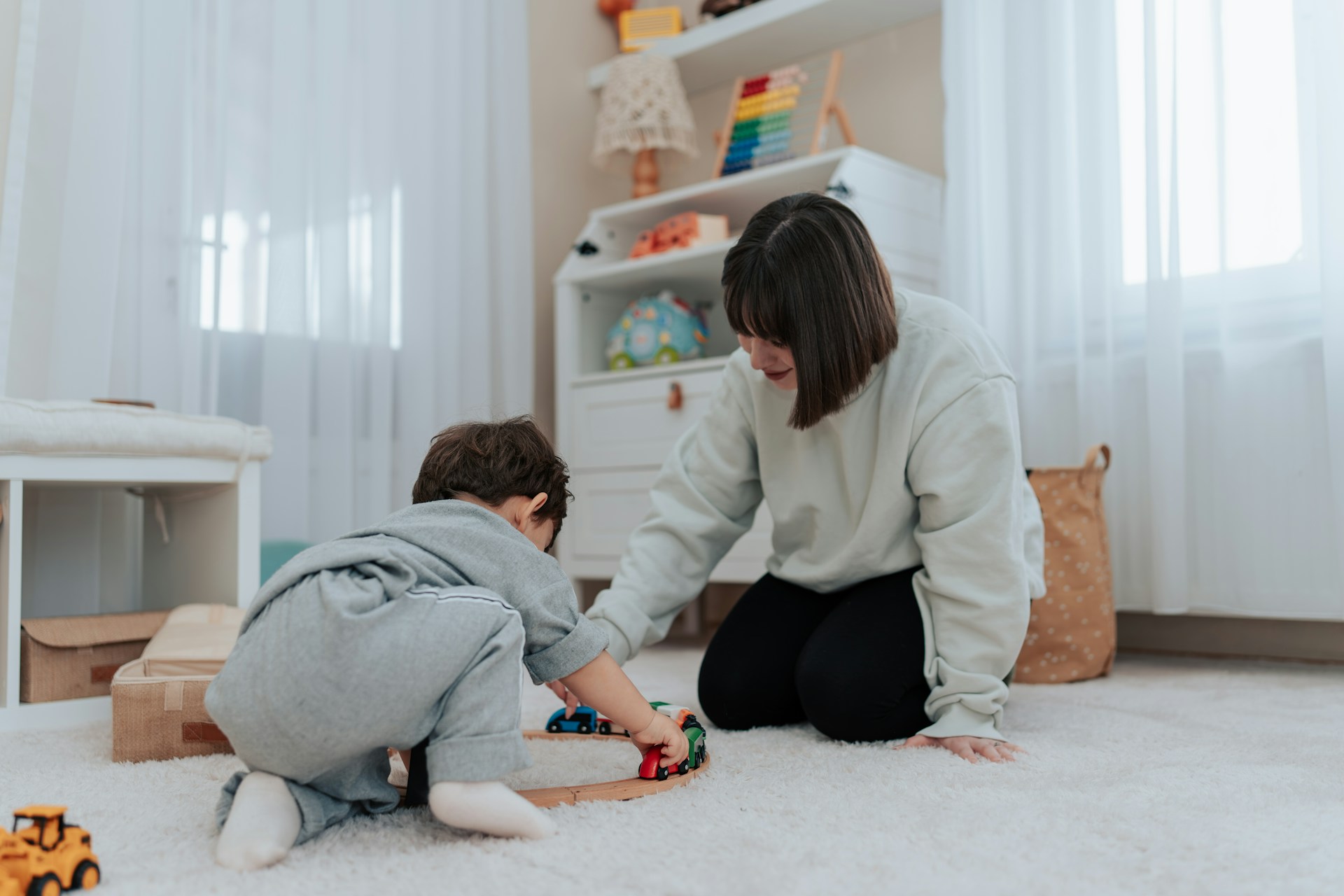
Besides physical repetition, children with autism might display profound fixation on particular objects or topics, often beyond typical age-appropriate interests. For instance, an intense fascination with train schedules or geometric shapes can dominate playtime and conversations, sometimes at the expense of exploring diverse activities.
Sensory Sensitivities: Navigating a World of Heightened Perception
Sensory processing differences are frequently intertwined with autism, manifesting as either hypersensitivity or hyposensitivity to environmental stimuli. A preschool child might cover ears in response to everyday noises, avoid certain textures in food or clothing, or alternatively, seek intense sensory input through activities like spinning or roughhousing.
Parents play a crucial role in identifying patterns of sensory preference and aversion. Understanding these sensitivities can illuminate behavioral responses and guide tailored interventions aimed at fostering comfort and adaptability in varied settings.

Emotional Expression and Regulation in Preschoolers with Autism
Recognizing and supporting a child’s emotional landscape is vital, as autism often entails challenges in expressing and regulating feelings. Preschool children on the spectrum may exhibit atypical emotional reactions, including intense meltdowns or seemingly muted responses to stimuli that typically evoke joy or distress.
Parents should observe their child’s ability to identify and communicate emotions, as well as their strategies for managing frustration or anxiety. Providing consistent emotional support, employing visual aids, and teaching coping mechanisms are essential components in fostering emotional resilience during early childhood.
When to Seek Professional Evaluation
If observations align with several checklist components—social withdrawal, communication delays, repetitive behaviors, sensory sensitivities—prompt consultation with developmental specialists is warranted. Early intervention capitalizes on neural plasticity, enhancing outcomes through individualized therapies including speech, occupational, and behavioral support.
Documentation of behaviors across settings and times strengthens the assessment process. Parents are encouraged to collaborate closely with pediatricians, educators, and therapists to formulate an informed and comprehensive intervention plan.
Utilizing a Structured Checklist for Clarity
A formalized autism characteristic checklist provides an invaluable framework for parents to systematically track and interpret behaviors. Such instruments typically encompass domains like social communication, repetitive behaviors, sensory profiles, and emotional functioning, ensuring thorough consideration.
Maintaining detailed notes and utilizing validated checklists can demystify the often overwhelming early signs. This approach empowers caregivers with clarity and confidence when advocating for their child’s developmental needs.
Identifying autism in preschool children is a complex but essential endeavor that opens pathways to tailored support and enriched life experiences. By attentively observing developmental nuances, understanding social and emotional dynamics, and embracing structured tools, parents can navigate this journey with informed compassion. Early recognition not only benefits the child but also fortifies families and communities, fostering environments where all children can thrive authentically.












