Within the intricate tapestry of the autism spectrum lies a dynamic interplay of sensory processing variations, profoundly influencing the everyday experiences of individuals. Among these variations, sensory seeking and sensory avoiding behaviors emerge as distinct yet interrelated phenomena. Understanding these behaviors is paramount not only for caregivers and educators but also for clinicians who strive to tailor interventions that resonate authentically with each autistic individual’s unique sensory world. Sensory seeking and sensory avoiding are not mere quirks; they are fundamental expressions of how sensory input is processed, filtered, and manifested in behavior.
Sensory Seeking in Autism: Characteristics and Manifestations
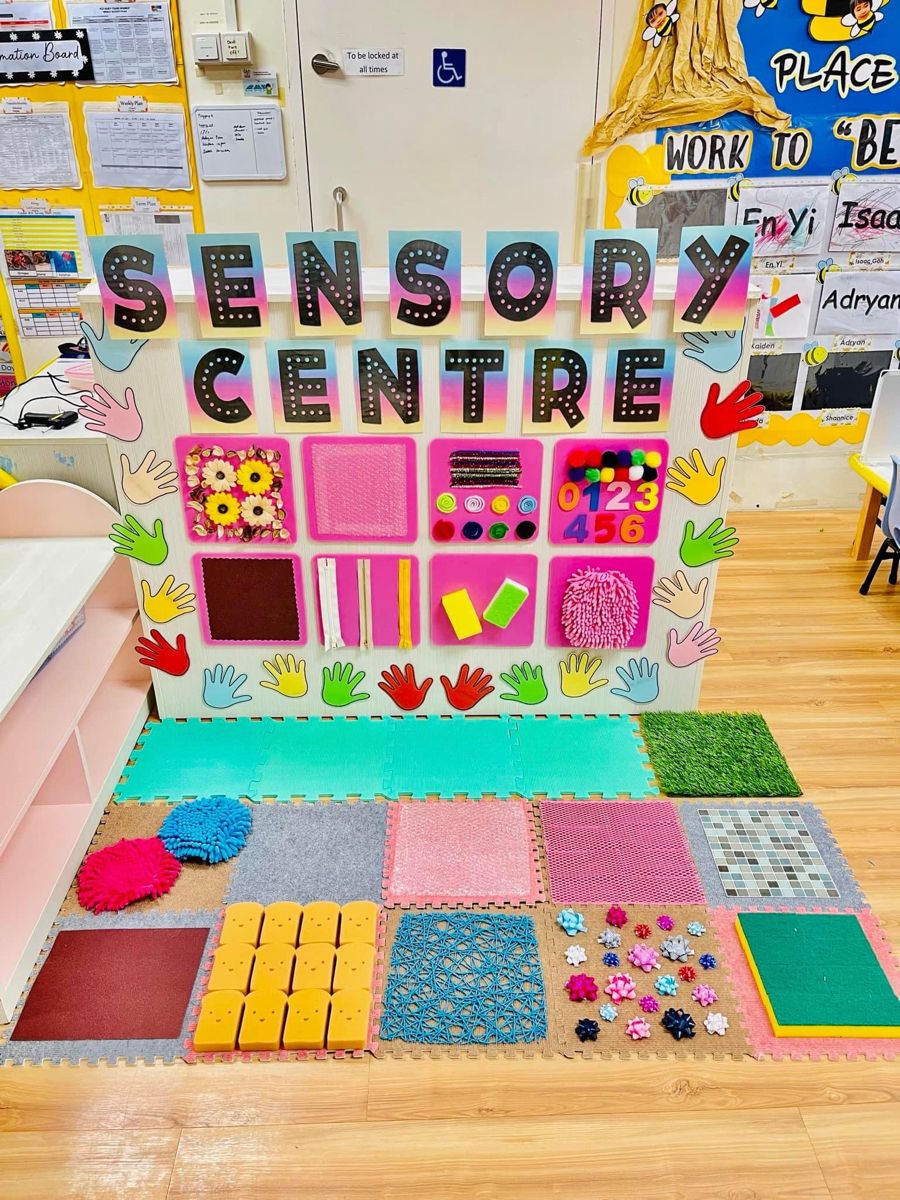
Sensory seeking behavior denotes an intrinsic drive to obtain heightened sensory input. Individuals exhibiting this behavior actively pursue stimuli that satisfy an internal craving for sensation often perceived as insufficient or under-responsive. This craving may manifest through repetitive movements, intense tactile engagement, or persistent auditory interactions. Common examples include hand-flapping, spinning, jumping, or an incessant need to touch textured objects.
In the auditory domain, a sensory seeker might enjoy loud noises, music at high volume, or might hum repetitively to stimulate auditory pathways. Visually, these individuals may be entranced by flashing lights or spinning objects, deriving pleasure from the dynamic visual feedback. Proprioceptive and vestibular seeking behavior is also evident; such individuals may frequently engage in activities that provide deep pressure or stimulate balance, such as swinging, crashing into pillows, or squeezing tightly against objects or people.
This pursuit of intensified sensory input serves as a self-regulatory mechanism. Sensory seekers often use these behaviors to modulate emotional states, maintain arousal levels, or circumvent feelings of boredom and under-stimulation. Yet, in social or structured environments, these outward manifestations can be misinterpreted, leading to misunderstandings about intent or capability.
Sensory Avoiding in Autism: Recognition and Impact
Contrastingly, sensory avoiding behaviors emerge from an overwhelming or aversive reaction to certain sensory stimuli. Individuals who exhibit sensory avoidance are often hypersensitive and may become distressed, anxious, or fatigued when exposed to sensory inputs perceived as intrusive or painful. This profound sensitivity leads to deliberate evasion of certain environments, objects, or interactions.
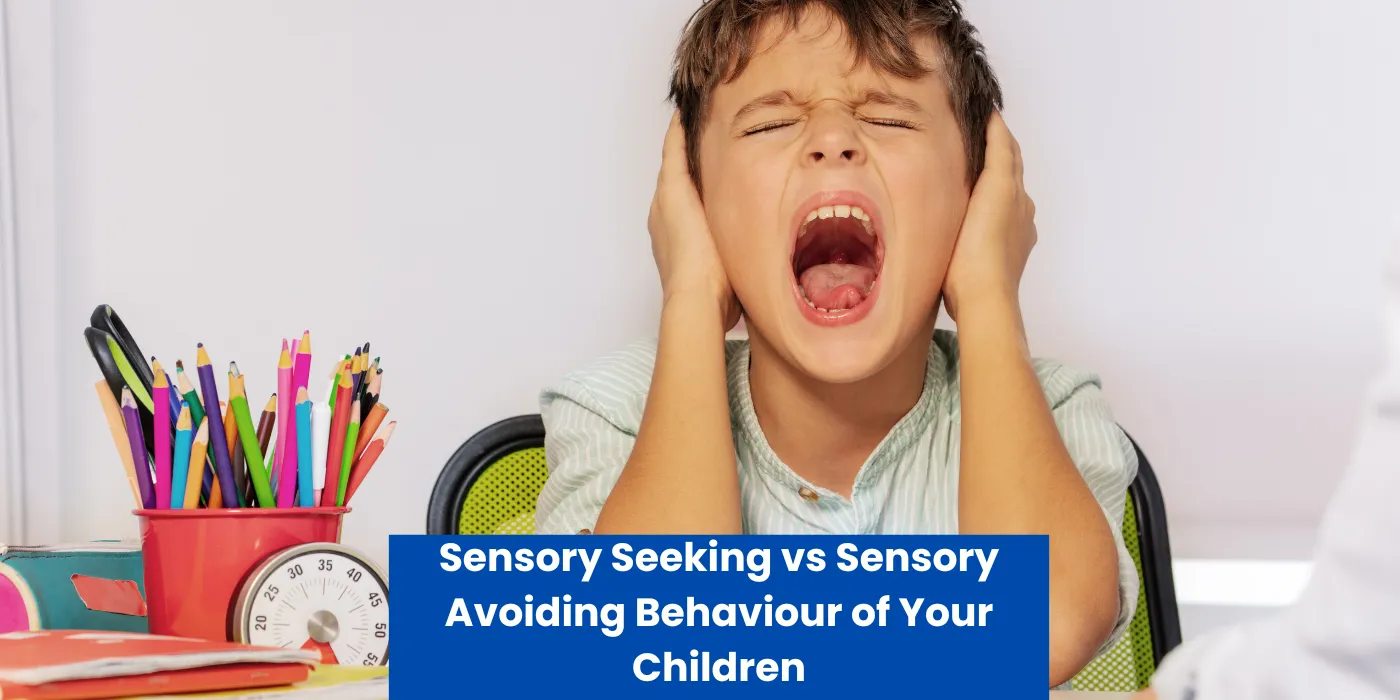
For example, tactile hypersensitivity may cause an autistic individual to recoil from clothing labels, particular fabrics, or contact with certain materials. Auditory sensitivity might manifest as a cover-up of ears in noisy settings or distressed behavior triggered by sirens, alarms, or even everyday background noise. Visual hypersensitivities could result in discomfort around bright or flickering lights.
These avoidance behaviors are not merely preference-based but often protective strategies aimed at minimizing sensory overload. However, the repercussions extend beyond discomfort, influencing participation in daily activities, social engagement, and overall quality of life. This hypersensitive profile frequently necessitates meticulously crafted environments that mitigate sensory challenges.

Neurobiological Underpinnings of Sensory Processing Differences
The divergence between sensory seeking and sensory avoiding behaviors is rooted in neurobiological mechanisms governing sensory integration. Studies indicate irregularities in how sensory information is transmitted, processed, and modulated in the brain of autistic individuals. Neurological pathways implicated in sensory modulation, including those involving the thalamus and sensory cortices, may exhibit atypical response patterns.
For sensory seekers, this might translate into diminished sensory thresholds, prompting an increased appetite for stimulus to achieve an optimal level of sensory input. For sensory avoiders, hyperexcitability or reduced adaptive capacity can lead to sensory input being experienced as noxious or overwhelming. This nuanced neurological variability underscores why interventions must be personalized rather than one-size-fits-all.
Practical Strategies for Supporting Sensory Seeking and Avoiding Behaviors
Effective support hinges upon recognizing the intricate balance between sensory needs and environmental demands. For sensory seekers, therapeutic strategies often include incorporating controlled sensory activities that safely fulfill their craving for input. Occupational therapy may employ sensory integration techniques, such as the use of weighted blankets, sensory bins, or movement-based activities, to channel seeking behaviors constructively.
Conversely, supporting individuals with sensory avoiding tendencies requires creating sensory-friendly spaces that minimize triggers. This might involve offering noise-cancelling headphones, soft and seamless clothing, dim lighting, and predictable routines that reduce sensory unpredictability. Empowering individuals to communicate preferences or use assistive technologies can facilitate autonomy in managing their sensory worlds.
Moreover, educating caregivers, educators, and peers about sensory variances promotes empathy and reduces stigmatization. Tailored interventions not only alleviate discomfort but enhance social participation, academic engagement, and emotional well-being.
Intersecting Sensory Profiles and the Fluidity of Experience
It is crucial to acknowledge that sensory seeking and sensory avoiding are not mutually exclusive. Many individuals exist on a spectrum where both behaviors fluctuate depending on context, developmental stage, emotional state, and specific sensory modalities involved. A child might seek vestibular input at one moment yet avoid tactile contact in another. This fluidity demands ongoing assessment and responsive adjustments to strategies and environmental supports.
Understanding the ebb and flow of sensory profiles allows for a more compassionate and holistic approach. It invites a recognition that sensory processing is a continually evolving domain—shaped by internal neurophysiological states and external environmental dynamics.
Conclusion: Embracing Sensory Diversity within the Autism Spectrum
The dichotomy of sensory seeking versus sensory avoiding highlights the complexity and richness inherent in autistic sensory experiences. Beyond simplistic categorizations, these behaviors reflect adaptive responses to a sensory landscape uniquely perceived by each individual. Appreciating these differences through a nuanced lens facilitates interventions that honor individuality while fostering inclusion.
Ultimately, embracing sensory diversity paves the way toward environments and societal attitudes that accommodate rather than constrain. It empowers autistic individuals to navigate their sensory realities with dignity, resilience, and possibility. The journey toward understanding sensory seeking and sensory avoiding is a step toward a broader cultural paradigm that values neurodiversity and the myriad ways human beings engage with the world.