Have you ever wondered how something as simple as a small, seemingly innocuous object could unlock tranquility for someone navigating the often turbulent sensory world of autism? The quest for comfort and focus is a nuanced journey for many individuals on the spectrum, and sensory tools serve as vital waypoints along this path. Yet, the challenge remains: how can we harness these instruments not just as distractions but as meaningful aids that enhance daily living?
The Intricacies of Sensory Processing in Autism
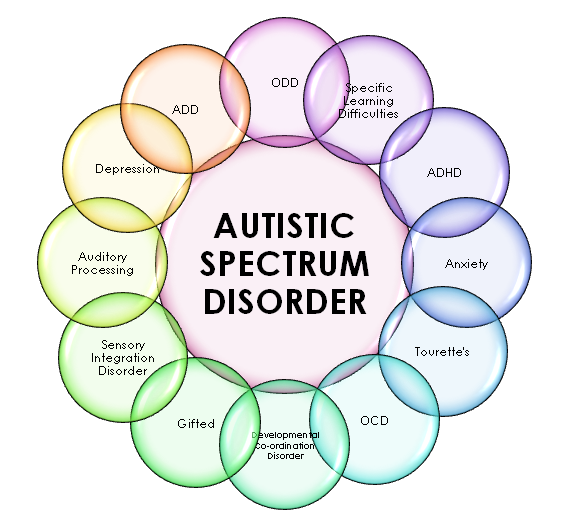
Autism Spectrum Disorder encompasses a wide array of sensory processing differences, where stimuli that others take for granted can feel overwhelming or insufficiently perceptible. This heightened or dulled sensitivity complicates everyday experiences—sounds, textures, and even the pressure of touch might be either unpleasantly intense or oddly comforting. Sensory tools aim to bridge this gap, offering a calibrated form of stimulation that aligns with individual needs. They do not mask the sensory experience; rather, they enable a more manageable and engaging interface with the environment.
Weighted Blankets: The Heaviness of Comfort
Among the most celebrated sensory aids are weighted blankets, renowned for their therapeutic pressure that mimics a gentle embrace. This technique, rooted in the concept of deep pressure stimulation, encourages the release of serotonin and dopamine—neurochemicals pivotal for mood regulation. The subtle weight provides proprioceptive feedback, helping to ground the individual in their body, which can diminish anxiety and foster better sleep patterns. Unlike traditional blankets, these specialized textiles offer a calibrated heaviness, often designed with small glass beads or organic pellets to evenly distribute weight without compromising comfort.

However, choosing the right weighted blanket necessitates consideration of body weight and personal preference. An improperly weighted blanket can cause discomfort or have minimal effect, underscoring the importance of customization in sensory tools.
Fidget Toys: Tiny Portals to Focus and Calm
At first glance, fidget toys might appear to be simple playthings, but their role transcends basic amusement. These compact tools—ranging from textured stones to intricate spinner designs—offer tactile and proprioceptive feedback that can enhance concentration and mitigate restless energy. By channeling the need for kinetic activity into a controlled outlet, fidgets enable the brain to engage more effectively with tasks that require sustained attention.

The spectrum of fidget toys is expansive. Some incorporate varied textures to satisfy tactile seekers, while others integrate weighted components for added sensory input. Their discreet nature makes them invaluable companions in classrooms, workplaces, or social settings—turning what might be perceived as distracting behavior into purposeful sensory regulation.
Weighted Shoulder Wraps: Embracing the Shoulders for Calm
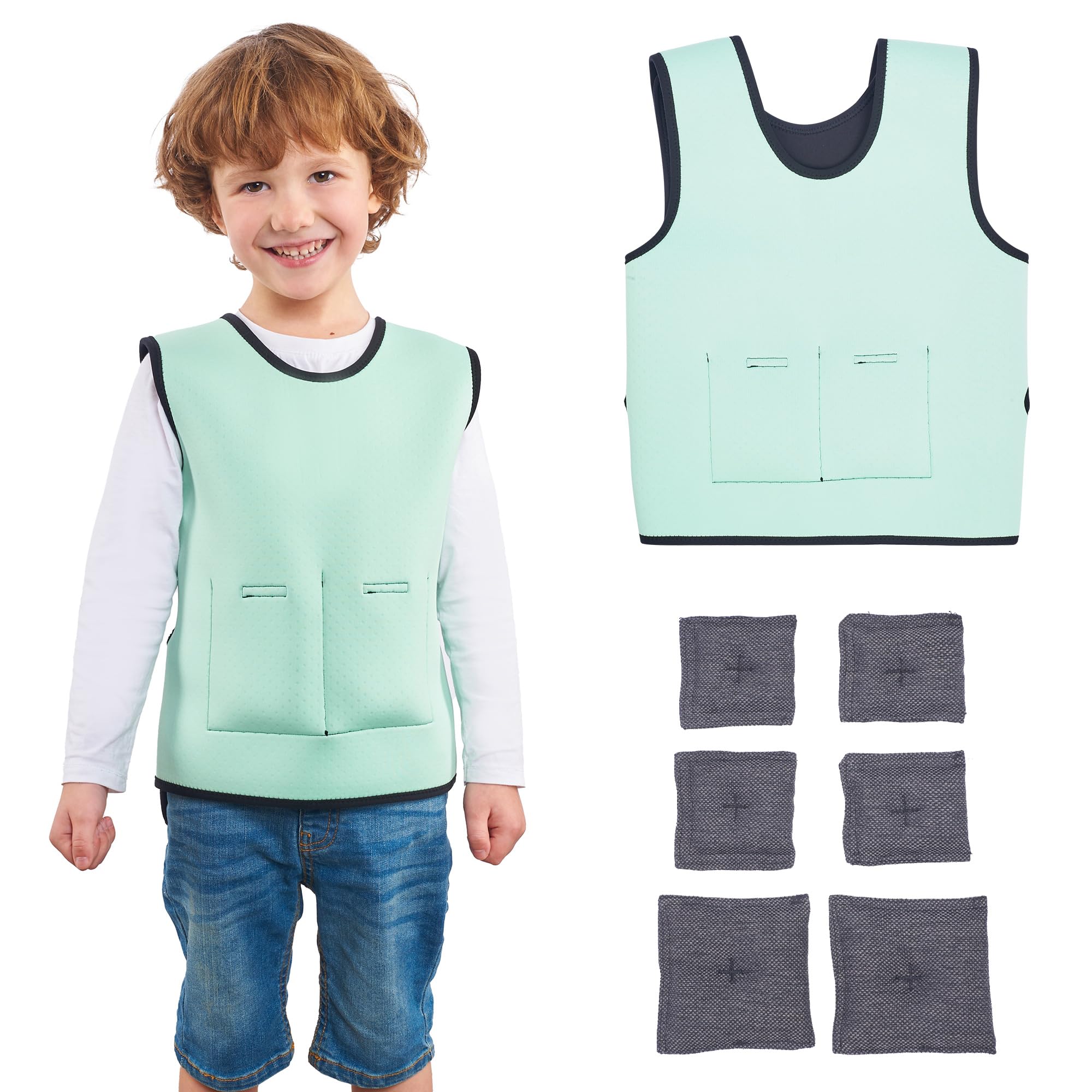
Expanding beyond the typical weighted blankets, weighted shoulder wraps offer targeted deep pressure to the cervical and upper thoracic regions. The focused compression can alleviate the tensions that accumulate from sensory overload or anxiety, creating a feeling of containment and security akin to a firm hug. These wraps are particularly useful for those who find full-body weighted blankets cumbersome, offering a flexible alternative with the same regulatory properties.
.jpg)
When employed strategically, weighted wraps serve not just as tools for rest but also for active moments—offering grounding sensations that aid in transitions and emotional dysregulation.
Integrating Sensory Tools into Daily Life
The challenge lies in weaving sensory tools seamlessly into everyday routines without them becoming mere novelties. Successful integration requires observing individual responses and tailoring usage to specific sensory profiles. Some may benefit from intermittent use during high-stress moments, while others might incorporate tools proactively during work, study, or rest periods.
Moreover, education and awareness are paramount. Families, educators, and caregivers must understand the nuances of sensory tools to implement them effectively, avoiding over-reliance or misuse that could diminish their efficacy.
The Future of Sensory Tools: Innovation and Personalization
Innovation continues to drive the development of more sophisticated sensory aids. Emerging materials, adjustable weights, and multi-sensory designs that incorporate sound and vibration hint at a future where sensory tools will become even more finely attuned to personal needs. Technology also offers potential—apps and smart devices linked to sensory tools can track usage patterns and physiological indicators, optimizing intervention strategies in real time.
The mission remains vivid: to empower individuals on the autism spectrum with tools that not only soothe but also unlock potential, fostering independence and enhancing quality of life.
Conclusion: More Than Mere Objects
In the tapestry of support for autism, sensory tools hold a distinctive thread—a blend of simplicity and profound impact. As small as a fidget toy or as encompassing as a weighted blanket, these tools translate abstract sensory needs into tangible comfort. They challenge us to rethink how aid is conceived—not as a crutch but as a catalyst for engagement, calm, and growth.
Ultimately, embracing sensory tools means championing diversity in human experience and crafting a world responsive to the intricate rhythms of every mind.