The autism spectrum encompasses a vast and intricate range of neurodevelopmental variations that influence social interaction, communication, and behavior. Understanding the multifaceted nature of this spectrum is paramount for fostering empathy, awareness, and support for individuals navigating their unique experiences. This comprehensive exploration delineates the essential facets readers need to comprehend, from the spectrum’s diversity to the nuanced challenges and manifestations associated with different types of autism.
Defining the Autism Spectrum
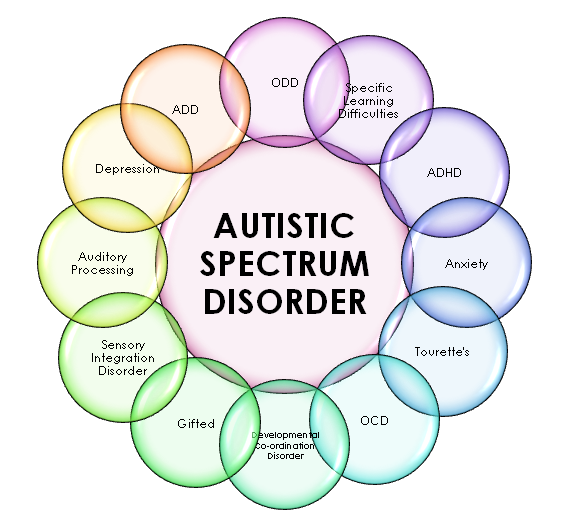
Autism Spectrum Disorder (ASD) is not a singular condition but rather a broad constellation of neurodevelopmental differences characterized by varying levels of social communication challenges and restricted, repetitive patterns of behavior. The term “spectrum” reflects the range of presentations, from subtle traits to profound impairments. This variation underscores the importance of personalized understanding rather than a one-size-fits-all approach.

Within this framework, individuals may exhibit exceptional strengths alongside difficulties, emphasizing that autism is as much about unique capabilities as it is about challenges. The spectrum transcends traditional diagnostic categories, inviting a more nuanced appreciation of neurodiversity.
Types and Presentations on the Spectrum
The autism spectrum traditionally included distinct subtypes such as Asperger’s Syndrome, Pervasive Developmental Disorder-Not Otherwise Specified (PDD-NOS), and classic autism, but contemporary diagnostic criteria emphasize a spectrum continuum. Nonetheless, discerning different presentations remains crucial for tailored support.
One emergent area of study is extroverted autism, where individuals demonstrate outward social engagement behaviors, contrasting the more commonly perceived introverted or withdrawn characteristics. This variation challenges stereotypes and highlights the diversity within social interactions among autistic individuals.
Severity and support needs vary widely; some individuals require substantial assistance with daily living, while others lead largely autonomous lives. This heterogeneity necessitates a spectrum of interventions, accommodations, and educational strategies.
Severity Levels and Diagnostic Criteria
The latest diagnostic frameworks categorize autism severity based on the level of support required, particularly in social communication and restricted/repetitive behaviors. These gradations aid clinicians and caregivers in identifying appropriate therapeutic approaches.
Severity levels are generally delineated as Level 1 (requiring support), Level 2 (requiring substantial support), and Level 3 (requiring very substantial support). This classification facilitates a clearer understanding of individual needs and promotes targeted intervention planning.
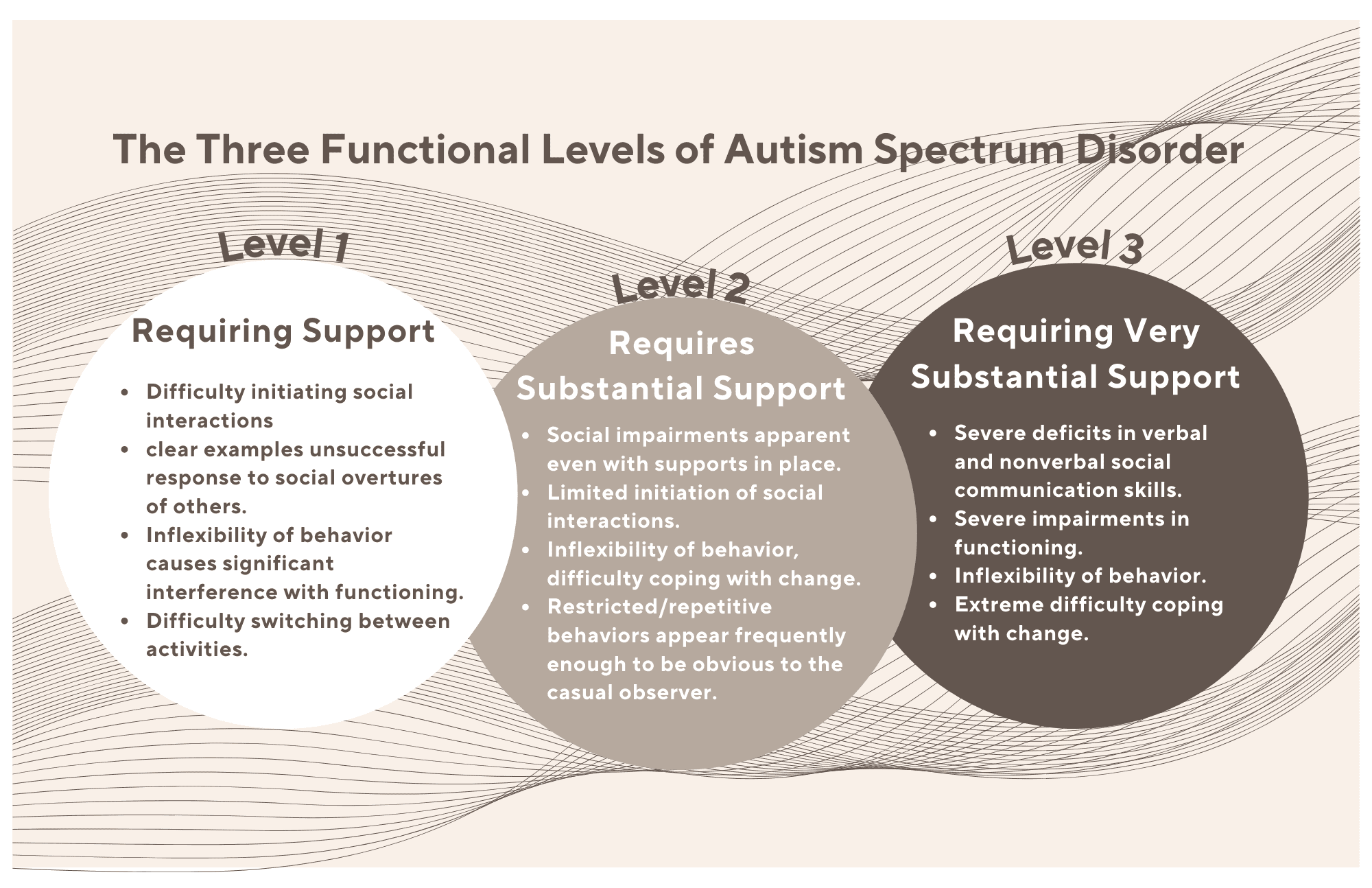
It’s essential to recognize that these levels are not static and can fluctuate over time with intervention, environmental changes, and personal development.
Common Challenges and Strengths
Autism manifests through a spectrum of challenges that often include difficulties with social reciprocity, nonverbal communication cues, and adaptability to change. Sensory sensitivities are also prevalent, where individuals may experience heightened or diminished responses to stimuli such as sound, light, or texture.
However, alongside these challenges are numerous strengths. Many individuals excel in detail-oriented tasks, pattern recognition, and possess exceptional memory skills. The capacity for intense focus and dedication also contributes to strengths in various domains, particularly in scientific, artistic, and technological fields.
The Importance of Early Diagnosis and Intervention
Early identification of autism spectrum characteristics can significantly improve long-term outcomes by facilitating timely support services and educational accommodations. Diagnostic assessments encompass behavioral observations, developmental history, and standardized testing administered by multidisciplinary teams.
Interventions are tailored to individual profiles and may include speech therapy, occupational therapy, social skills training, and behavior management strategies. Early intervention not only promotes developmental progress but also enhances quality of life for both individuals and their families.
Social Perceptions and Advocacy
Societal understanding of autism has evolved from deficit-based models to embrace the principles of neurodiversity—the recognition of neurological variations as natural and valuable aspects of human diversity. This paradigm shift advocates for acceptance, inclusion, and the dismantling of stigmatizing attitudes.
Autism advocacy groups play a pivotal role in promoting awareness, influencing policy, and fostering environments where autistic individuals can thrive without needing to conform to normative expectations. Education and outreach remain critical tools in this ongoing effort.
Looking Ahead: Research and Emerging Perspectives
Contemporary research is expanding our grasp of autism’s etiology, encompassing genetics, neurobiology, and environmental factors. Novel approaches aim to refine diagnostic precision and develop individualized therapeutic modalities that embrace the whole spectrum of experiences.
Moreover, there is increasing interest in the lived experiences of autistic individuals themselves, emphasizing self-advocacy and participatory research methodologies. These perspectives enrich the collective understanding and propel more empathetic, effective support systems.
In conclusion, the autism spectrum represents a complex and richly varied neurodevelopmental landscape. Embracing its diversity requires recognizing the intricate interplay of challenges and strengths inherent in each individual’s experience. By fostering informed awareness and compassionate engagement, society can ensure that those on the spectrum are empowered to lead fulfilling, authentic lives.