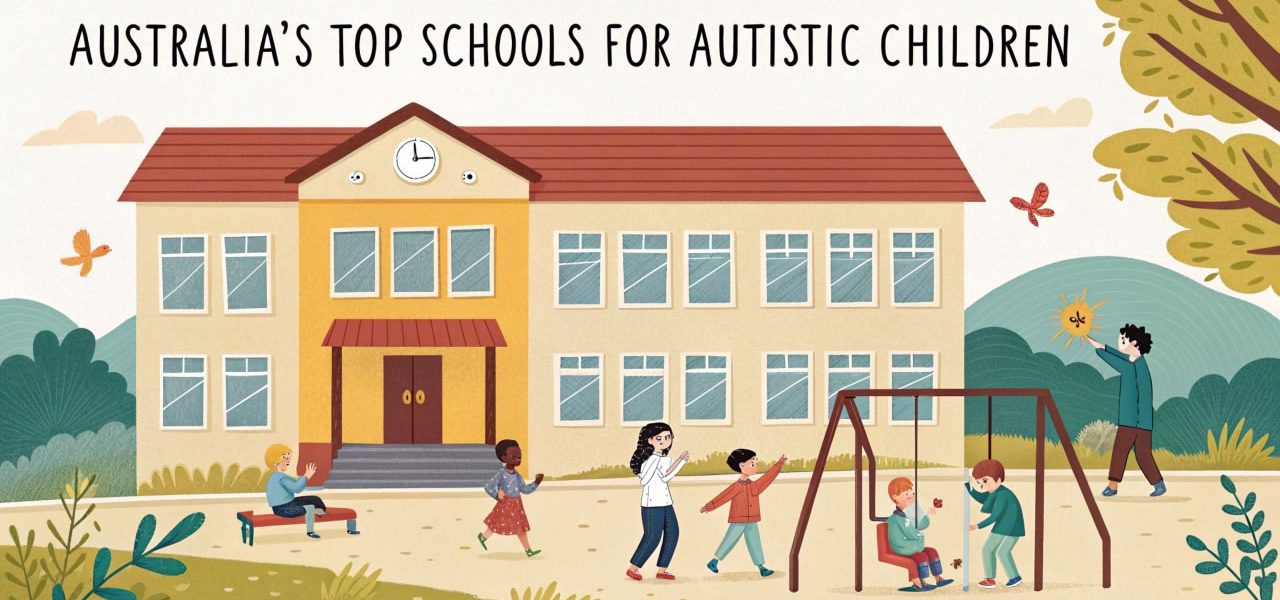
In the evolving landscape of education, the pursuit of an ideal learning environment for autistic children transcends traditional confines. The best schools for autistic children in [Your Region] are no longer merely places of instruction; they symbolize a paradigm shift—where understanding meets innovation, and empathy intersects with tailored pedagogy. This article navigates the intricate avenues of these exceptional institutions, revealing how they redefine educational experiences, spark curiosity, and cultivate potential in ways many never imagined possible.
Rethinking Education: A New Paradigm for Autistic Learners
The conventional, one-size-fits-all approach to education has long fallen short in meeting the diverse needs of autistic children. Today, the best schools embrace a philosophy rooted in neurodiversity, recognizing that the unique neurological wiring of each child offers a wealth of strengths waiting to unfurl. This commitment to holistic understanding fosters environments where sensory sensitivities and communication differences are not obstacles but gateways to personalized learning.
Within these campuses, curricula are meticulously crafted not only to accommodate but to celebrate individual learning trajectories. By doing so, these schools embody a transformative promise: education that is neither restrictive nor prescriptive, but expansive and deeply responsive.
Tailored Curricula: Cultivating Strengths and Addressing Challenges
A key hallmark of the region’s preeminent schools is their meticulously designed curriculum, calibrated to balance academic rigor with emotional and social growth. Instruction is frequently interdisciplinary, integrating speech therapy, occupational therapy, and behavioral support into the educational fabric.
One can observe an emphasis on practical life skills woven alongside traditional subjects such as mathematics, reading, and science. This blend ensures learners acquire functional competencies pivotal for independence and self-advocacy. Furthermore, many schools employ evidence-based teaching methods, such as Applied Behavior Analysis (ABA), TEACCH (Treatment and Education of Autistic and Communication related handicapped Children), and social communication programs, ensuring that every lesson resonates with meaningfulness and engagement.
Technology plays a vital role, as assistive devices and adaptive software open new portals to communication and comprehension, granting learners a voice uniquely their own.

Support Systems: Fostering Emotional and Social Flourishment
Educational excellence in these schools flourishes underpinned by robust support networks. Emotional well-being is recognized as indispensable to learning; thus, schools integrate counseling, peer mentorship, and family involvement deeply into their ethos. This triad cultivates a continuum of care that extends beyond classroom walls, reinforcing confidence and resilience in students.
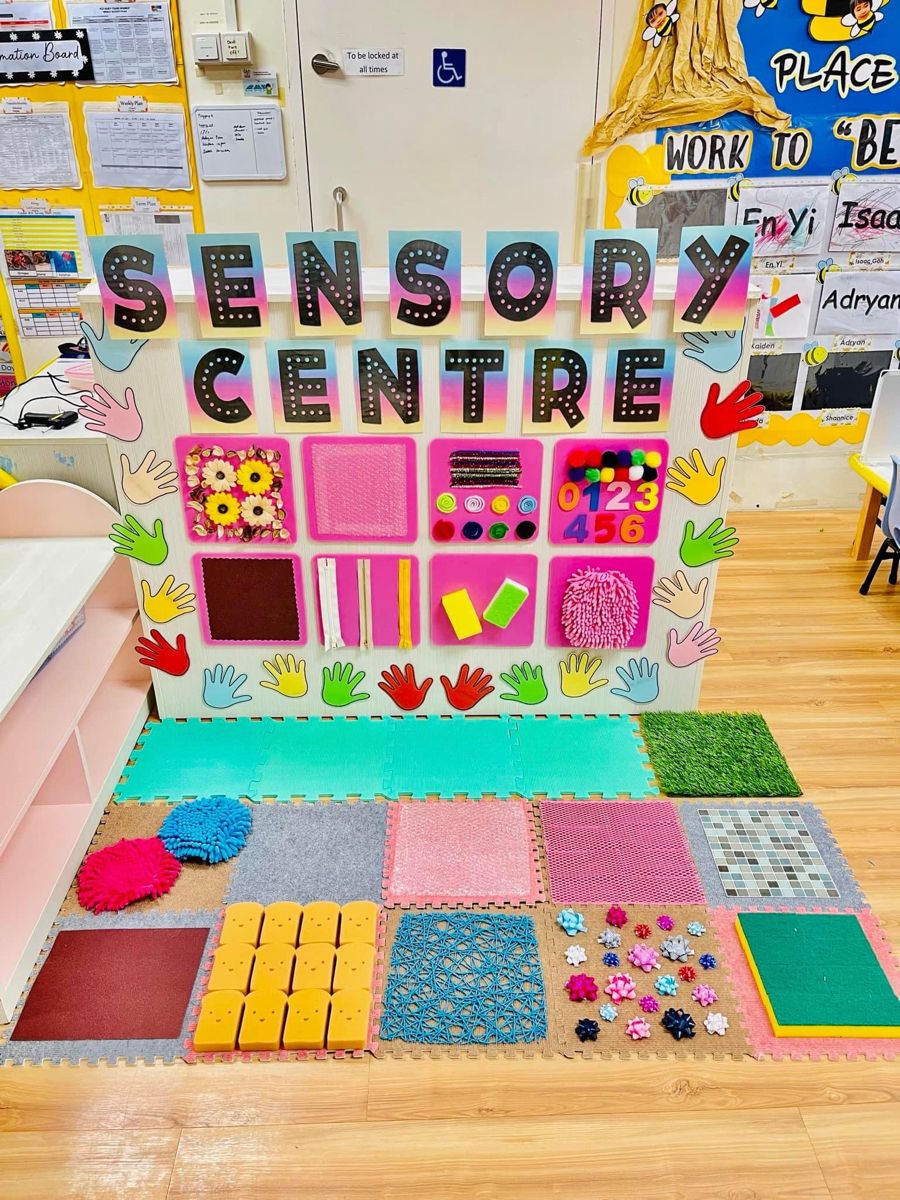
Importantly, sensory-friendly environments are meticulously prepared to mitigate overwhelm and distraction. Quiet zones, adaptive lighting, and tactile-friendly furnishings exemplify how physical spaces are engineered with sensitivity and forethought. This deliberate attention to the sensory landscape not only enhances comfort but also unlocks cognitive potential previously hindered by environmental stressors.
Innovative Inclusion: Bridging Differences for Holistic Growth
Inclusion has transcended tokenism in these institutions, evolving instead into a nuanced practice of integration that respects individuality while promoting social interconnectedness. Students often engage in collaborative projects with neurotypical peers, a deliberate strategy fostering mutual understanding and dismantling societal barriers.
Such interactions cultivate empathy and social skills, equipping autistic learners with the tools necessary to navigate diverse social terrains. Moreover, inclusion initiatives extend to community engagement, where partnerships with local organizations offer enriching opportunities for experiential learning and civic participation.

Staff Expertise: The Pillars of Transformative Education
The caliber of educators and therapeutic professionals working within these schools is nothing short of exemplary. Their expertise is steeped not only in academic proficiency but also in a profound understanding of autism spectrum disorder from psychological, neurological, and sociological viewpoints. Continuous professional development ensures that staff stay abreast of novel methodologies and emerging research.
Importantly, educators foster authentic relationships with students, a dynamic that transcends mere instruction. This relational foundation is pivotal, nurturing trust and security, and igniting intrinsic motivation that propels learning forward.
Family Collaboration: A Synergistic Approach
Recognizing that education is a communal endeavor, leading schools actively involve families as indispensable partners. Transparent communication channels, parent training workshops, and collaborative goal-setting sessions ensure that home and school function in harmonious concert. This synergy amplifies the consistency and efficacy of interventions, cultivating an ecosystem where the child’s growth flourishes in all contexts.
Looking Ahead: The Promising Horizon of Autism Education
The education of autistic children in [Your Region] is witnessing a renaissance. The convergence of progressive teaching philosophies, specialized curricula, sensory-optimized environments, and staunch advocacy is setting breathtaking precedents. Schools are no longer just places of learning—they are beacons illuminating the vast, often underestimated potential within every autistic child.
This shift challenges us to transcend antiquated notions about ability and intelligence. It beckons educators, families, and communities alike to embrace a future where differences are not just accepted but revered as vital threads in the rich tapestry of human diversity.
Ultimately, the best schools do more than teach—they inspire, ignite curiosity, and nurture the unfolding brilliance within each child. They herald a future where education adapts fluidly to individual needs, ensuring no child’s potential is left unexplored or untapped.