

In a world meticulously tailored to neurotypical norms, autistic adults often traverse an intricate landscape that demands extraordinary resilience and adaptability. Their existence, frequently marked by misunderstood intentions and overlooked perspectives, is testament to a profound courage—one that challenges prevailing paradigms and beckons society to reconsider its foundational definitions of normalcy, communication, and connection. This exploration seeks not merely to outline the challenges faced but to illuminate the remarkable fortitude fueling the journey of autistic adults as they navigate a neurotypical world, inviting readers to reassess entrenched stereotypes and open a renewed dialogue rooted in empathy and insight.
Reframing Courage: Beyond Conventional Definitions
When the notion of courage arises, images of overt heroism often dominate—valor in battle, bold acts defying peril. Yet, the bravery exhibited by autistic adults is far subtler yet no less profound. It resides in the daily acts of perseverance amid overwhelming sensory stimuli, in the continuous decoding of unspoken social cues, and in the relentless pursuit of authentic self-expression against the tide of societal conformity. This courage is not an explosive event but a persistent, quiet insurgency against a world that frequently marginalizes difference.

Understanding this redefined courage compels us to dispel reductive narratives that portray autistic individuals solely as passive recipients of care or perpetual challenges. Instead, their lived experience embodies a rich tapestry of strengths, aptitudes, and unique perspectives—attributes cultivated through navigating spaces not originally designed with their neurology in mind.
The Neurotypical World: Structures and Barriers
The neurotypical framework—established by and for individuals whose neurology aligns with societal norms—impacts every facet of public and private life. From educational systems emphasizing conventional learning styles to workplaces structured around implicit social norms and communication styles, autistic adults often confront systemic barriers that impede equitable participation.
Such barriers are multifaceted. Sensory environments that others find benign can be overwhelming stimuli that provoke distress. Communication norms often assume an intuitive grasp of nonverbal cues, metaphors, or humor, which may not naturally resonate with autistic cognition. Furthermore, rigid expectations of behavior and performance metrics can render autistic contributions invisible or undervalued.
These obstacles are not mere inconveniences. They constitute a form of social marginalization that necessitates autistic adults developing sophisticated coping strategies, from masking or camouflaging their authentic selves to creating specialized support networks that affirm their identities and talents.
Masking and Authenticity: The Double-Edged Sword
The phenomenon known as “masking” encapsulates one of the most poignant dilemmas faced by autistic adults. Masking involves consciously or subconsciously suppressing natural behaviors, emotions, or responses to conform to neurotypical expectations. Though it facilitates social acceptance or professional advancement, masking exacts an emotional and cognitive toll, often culminating in exhaustion, anxiety, and identity dissonance.
This duality of masking—the necessity for survival versus the yearning for authenticity—reflects the complex internal negotiations autistic adults engage in daily. Courage manifests here as the gradual assertion of one’s true self, even in the face of misunderstanding or rejection, embodying a fierce commitment to self-preservation and dignity.
The Power of Community: Finding Recognition and Strength
Amidst these challenges, a vibrant and growing neurodivergent community provides crucial spaces for validation, empowerment, and connection. Autistic adults frequently seek out networks that celebrate neurodiversity and reject the reductive impulse to “normalize.” These communities not only affirm differences but also champion advocacy efforts aimed at transforming social structures to be more inclusive and flexible.
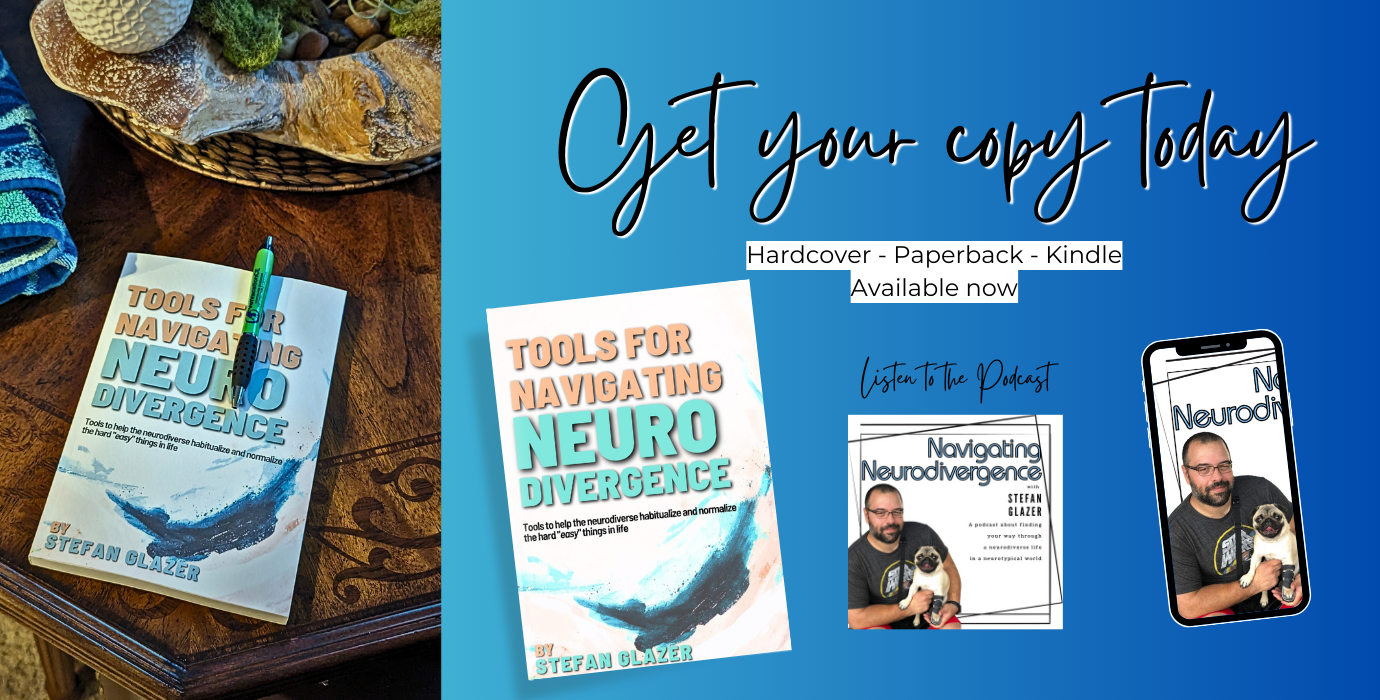
Within these circles, the collective courage becomes palpable. Shared narratives become powerful tools for education and activism. They emphasize strengths such as heightened attention to detail, creative problem-solving, and novel perspectives that enrich various domains from the arts to sciences.
Redefining Success: Autonomy and Self-Determination
In challenging societal metrics that narrowly define achievement, autistic adults often cultivate personalized notions of success centered on autonomy, self-understanding, and meaningful engagement. This reframing opposes the prevailing emphasis on conformity, illustrating how courage also involves resisting imposed standards and crafting a life aligned with one’s values and capacities.
Self-advocacy emerges as a crucial element in this process. By articulating needs, preferences, and aspirations, autistic individuals disrupt assumptions of dependency and helplessness. This shift heralds a more nuanced recognition of capability and potential, reinforcing the premise that neurodiversity is not a deficit but a dimension of human variation.
The Societal Imperative: Embracing Neurodiversity
The courage displayed by autistic adults fundamentally challenges societal inertia. It beckons a collective reevaluation of entrenched biases and promotes a culture that values neurodiversity as an indispensable facet of human experience. Such transformation requires dismantling ableist structures and cultivating environments that honor difference without demanding erasure or adaptation at the expense of well-being.

Embracing this imperative not only enriches the fabric of our communities but also unleashes untapped creativity, empathy, and innovation. It offers a profound promise: a world where the courage of autistic adults is recognized as a clarion call for equity and understanding, rather than a narrative of deficit.
Ultimately, the journey of autistic adults navigating a neurotypical world reveals the extraordinary dimensions of resilience woven into ordinary days. This journey is a powerful testament to the human spirit’s capacity to confront alienation with grace, to carve out spaces of belonging in inhospitable terrains, and to redefine courage on profoundly personal and universally resonant terms. Confronting such narratives invites us to witness and celebrate the multifaceted courage that shapes not only individual lives but also the inexorable evolution of society itself.












