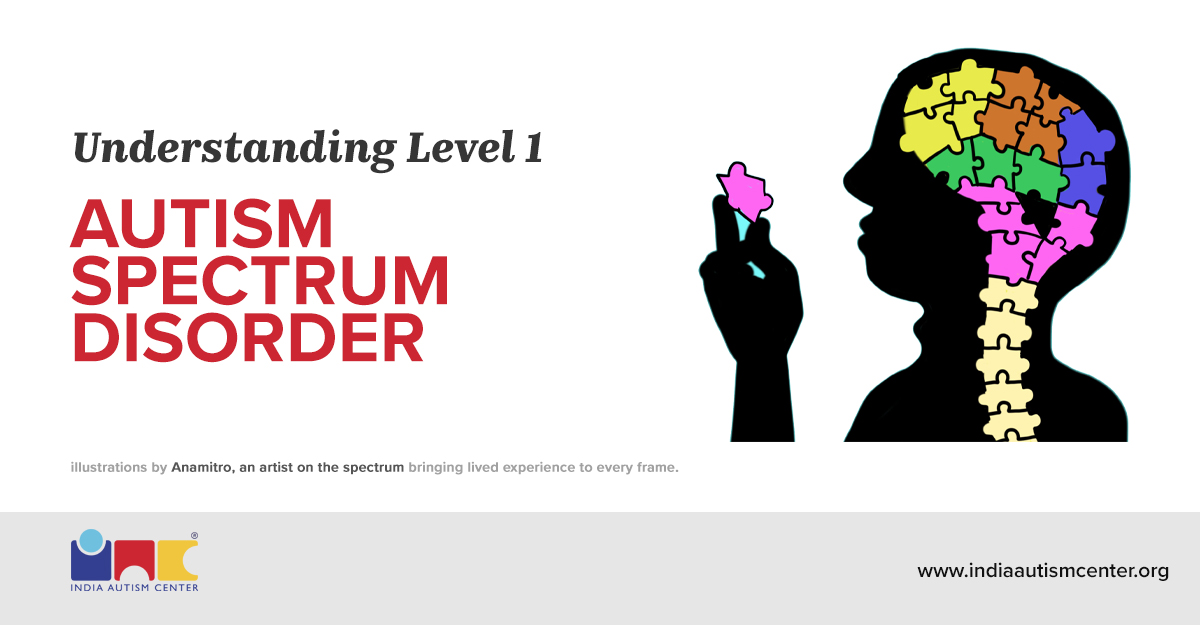
Autism Spectrum Disorder (ASD) manifests along a continuum of characteristics and severities, broadly categorized into levels that assist clinicians, caregivers, and educators in tailoring support and interventions. Among these gradations, Level 1 and Level 2 autism represent two distinctive presentations of the spectrum, each marked by divergent challenges and behaviors. Understanding the nuances between these levels not only enhances awareness but fosters more empathetic and effective strategies for engagement and assistance.
Defining the Spectrum: Level 1 vs. Level 2 Autism
Autism Spectrum Disorder encompasses a range of neurodevelopmental conditions characterized chiefly by difficulties with social communication and restricted, repetitive patterns of behavior. The Diagnostic and Statistical Manual of Mental Disorders, Fifth Edition (DSM-5) organizes autism into three levels to indicate the degree of support an individual requires. Level 1 denotes “Requiring Support,” while Level 2 indicates a “Requiring Substantial Support” status. At a foundational level, Level 1 autism suggests milder impairments that nevertheless interfere with daily functioning, whereas Level 2 reflects more pronounced difficulties necessitating deeper intervention.
Individuals diagnosed with Level 1 autism may navigate social situations with relative ease but often exhibit pervasive challenges in initiating conversations or maintaining the reciprocal nature of interactions. Contrastingly, those with Level 2 autism typically demonstrate more evident impairments in verbal and nonverbal communication and exhibit inflexible behaviors that interfere markedly with their social and occupational pursuits.
Social Communication: Disparity in Interaction and Engagement
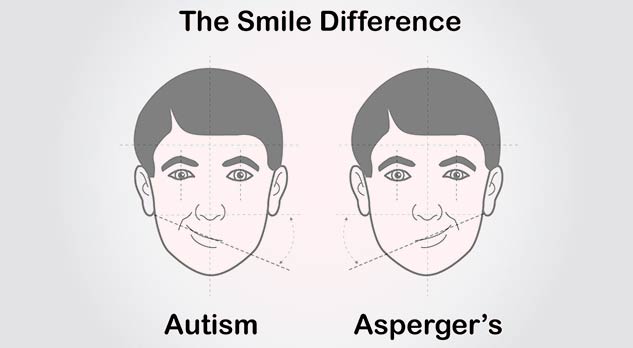
Communication is the linchpin of human interaction, and its disruption perfectly encapsulates the divergence between Level 1 and Level 2 autism. A hallmark of Level 1 is the subtle, yet persistent difficulty in social communication. Such individuals may speak fluently but struggle with the pragmatic use of language — for instance, understanding sarcasm, maintaining eye contact, or interpreting nonverbal cues. Social nuances may elude them, resulting in isolated exchanges or monologues rather than reciprocal dialogues.
By contrast, Level 2 autism manifests with more overt communication challenges. Speech may be limited or characterized by simple sentences. Nonverbal communication, such as gestures and facial expressions, is often notably diminished. These individuals frequently rely on alternative communication methods and may require accommodations like visual supports or structured environments to facilitate interaction. The social distance they experience is typically more pronounced and persistent owing to the severity of their communicative limitations.
Repetitive Behaviors and Restricted Interests
Restricted, repetitive behaviors are a defining characteristic of ASD, yet their intensity and impact distinguish Level 1 from Level 2. For those at Level 1, such behaviors might manifest as rigid adherence to daily routines or a deep, narrow focus on specific interests, which can be socially functional if channeled appropriately. These individuals may display remarkable expertise in circumscribed domains, contributing positively to educational or occupational settings despite their rigidities.
Individuals with Level 2 autism exhibit repetitive behaviors that are more conspicuous and interfere considerably with flexibility in thought and action. Repetitive motor movements, insistence on sameness, and distress over changes can dominate their behavioral profile, constraining participation in varying environments. Their restricted interests may be less adaptive, potentially impeding learning and social engagement, and requiring targeted behavioral interventions to manage distress and promote adaptability.
Adaptive Functioning and Daily Living Skills
The capacity to perform everyday tasks independently marks a pivotal axis along which Level 1 and Level 2 autism diverge. Level 1 individuals generally possess a satisfactory degree of adaptive skills, enabling them to live independently or with minimal support. Challenges may arise, yet they often develop coping mechanisms that allow effective management of routine activities and responsibilities.
Conversely, Level 2 autism is typified by substantial deficits in adaptive functioning. Individuals may require ongoing assistance with personal care, organization, and navigating complex social environments. The need for supervision or structured support is more persistent and comprehensive, underscoring the importance of tailored therapeutic and educational programs focused on skill acquisition and daily living competencies.
Cognitive Profiles and Strengths
While autism encompasses a diverse spectrum of cognitive abilities, discerning the intellectual and cognitive profiles associated with Level 1 and Level 2 autism provides valuable insight. Level 1 is often associated with average to above-average intelligence, alongside uneven skill profiles where strengths coexist with difficulties, particularly in executive functioning areas such as planning and flexibility.
In Level 2 autism, cognitive abilities may vary considerably but are more likely to be accompanied by greater executive dysfunction and processing delays. Some individuals present with comorbid intellectual disabilities, which complicate their learning profiles and necessitate comprehensive, multidisciplinary approaches to education and therapy. Nevertheless, many retain specific talents and areas of aptitude, underscoring the heterogeneity and potential within this group.
Behavioral Challenges and Emotional Regulation
Emotional regulation is a complex and often fraught domain within autism. Those with Level 1 autism might experience heightened anxiety, frustration, or depression, frequently stemming from social misunderstandings or sensory sensitivities. However, their capacity for self-awareness and communication may allow them to articulate and sometimes mitigate these feelings effectively.
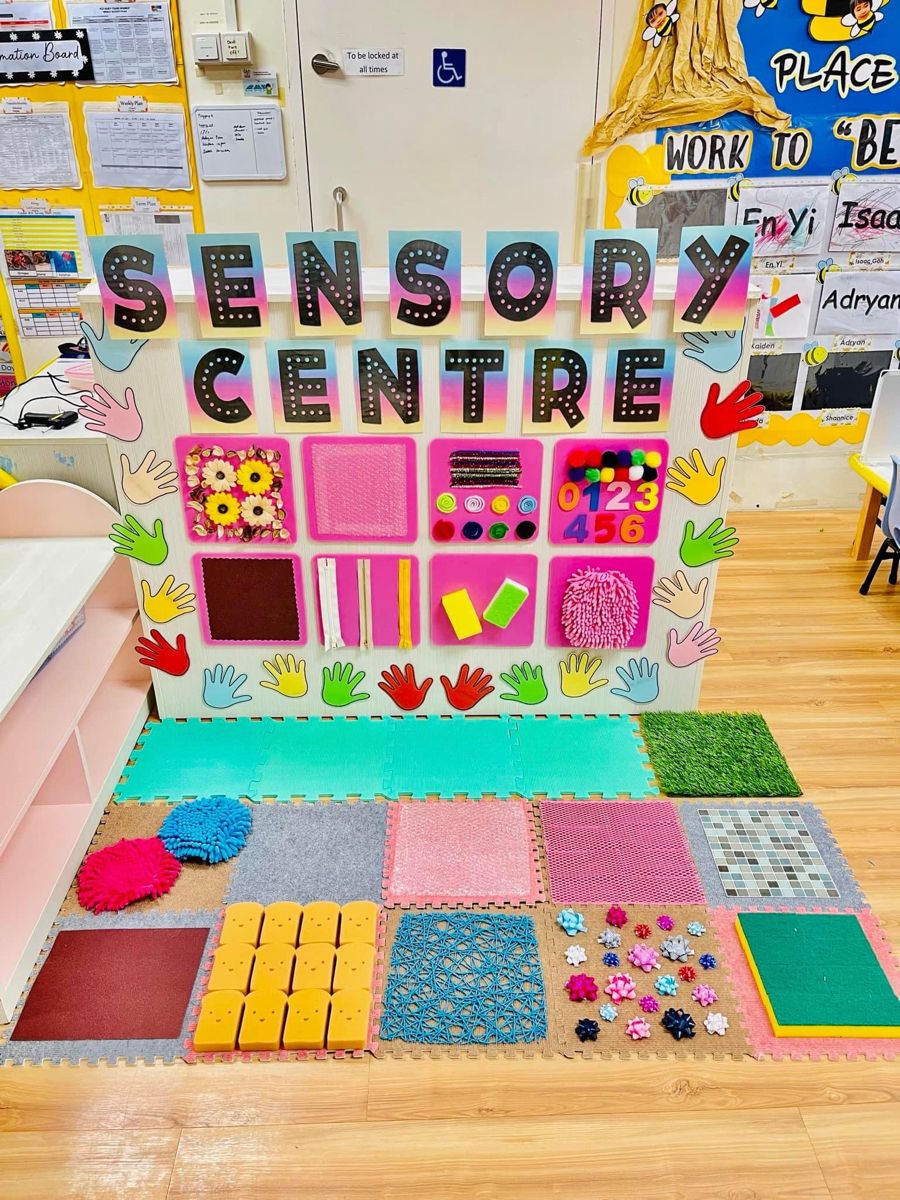
Conversely, Level 2 individuals often face more pronounced behavioral challenges. Emotional dysregulation can precipitate meltdowns, self-injurious behaviors, or aggression, especially when overwhelmed by sensory inputs or changes in routine. The decreased ability to express distress verbally requires adaptive strategies such as behavioral therapies, sensory integration interventions, and caregiver training to establish safety and emotional equilibrium.
Tailored Support and Interventional Strategies
Identifying the precise level of autism is instrumental in crafting bespoke interventions that accommodate strengths and address challenges. Level 1 support commonly focuses on enhancing social skills, executive function coaching, and employing cognitive-behavioral approaches for anxiety and emotional management. Inclusion in typical educational environments with minimal but strategic support is often feasible and beneficial, bolstering independence.
For Level 2 autism, intervention strategies necessitate increased intensity and scope. Applied Behavior Analysis (ABA), speech and occupational therapies, and structured routines are critical components of an effective support network. Family involvement and environmental modifications also play salient roles in ensuring progress and quality of life improvements. The emphasis shifts toward creating stability and facilitating gradual skill acquisition to foster greater autonomy.

The Social and Occupational Implications
The differentiation between Level 1 and Level 2 autism significantly impacts social integration and employment opportunities. Those with Level 1 autism may find social participation and competitive employment attainable with reasonable accommodations, leveraging their focus and specialized interests as assets. Workplace mentorship and autism-aware environments enhance success rates remarkably.
In contrast, individuals with Level 2 autism often require supported employment or vocational training with ongoing assistance. Social interactions at work and in the community can present formidable challenges that necessitate continuous guidance. Nonetheless, with appropriate scaffolding, many attain fulfilling roles that align with their skills and provide meaningful engagement.

Conclusion: Embracing the Complexity of Level 1 and Level 2 Autism
The distinction between Level 1 and Level 2 autism delineates a spectrum of strengths and hurdles that shape individual lived experiences uniquely. Recognizing these differences enriches understanding and cultivates compassion, enabling more nuanced support that empowers rather than restricts. While Level 1 autism may allow for greater independence, and Level 2 requires more comprehensive care, both levels harbor potential and aspirations deserving of dignity and opportunity.
Fostering environments informed by these gradations facilitates better resource allocation, targeted therapeutics, and social inclusion. Ultimately, embracing the complexity of autism’s diverse manifestations encourages a society that values neurodiversity and champions every individual’s journey toward self-fulfillment and connection.