The future of autism research is a tapestry woven with threads of innovation, empathy, and relentless curiosity. As our understanding of autism spectrum disorder (ASD) evolves, so too does the landscape of scientific inquiry, clinical practice, and societal integration. This dynamic field is no longer confined to the shadows of stigma or the limits of outdated paradigms. Instead, it stands on the precipice of a transformative era, where breakthroughs in neuroscience, technology, and personalized care are reshaping the narrative around autism. For researchers, families, educators, and policymakers alike, the horizon is brimming with possibilities—each promising to illuminate the path forward for individuals on the spectrum and those who support them.
In this exploration, we delve into the multifaceted dimensions of autism research, uncovering the cutting-edge advancements and emerging trends that are poised to redefine our collective approach. From the intricacies of neurodiversity to the practicalities of inclusive housing, the future of autism research is as diverse as the individuals it seeks to empower. Whether you are a parent navigating the complexities of early intervention, a clinician seeking evidence-based therapies, or an advocate championing systemic change, this journey offers a panoramic view of what lies ahead.
The Neuroscientific Frontier: Decoding the Autistic Brain
The human brain, with its labyrinthine networks and enigmatic functions, has long been a subject of fascination and frustration. For individuals with autism, the brain’s wiring often operates in ways that defy conventional norms, presenting both challenges and unique strengths. Recent advancements in neuroimaging and computational neuroscience are shedding light on these differences, revealing patterns that were once invisible to the naked eye. Techniques such as functional magnetic resonance imaging (fMRI) and diffusion tensor imaging (DTI) are now capable of mapping the autistic brain with unprecedented precision, uncovering the neural correlates of sensory sensitivities, social cognition, and repetitive behaviors.
One of the most promising avenues in this realm is the study of synaptic pruning—a process by which the brain refines its neural connections during development. In autism, this process may occur atypically, leading to an overabundance of certain connections and a paucity of others. Researchers are now investigating whether targeted interventions, such as pharmacological agents or behavioral therapies, can modulate synaptic plasticity to restore balance. The implications are profound: if we can decipher the molecular underpinnings of these differences, we may unlock new therapeutic avenues that address the root causes of autism rather than merely alleviating symptoms.
Moreover, the integration of artificial intelligence (AI) into neuroimaging analysis is accelerating the pace of discovery. Machine learning algorithms can sift through vast datasets, identifying subtle biomarkers that distinguish autistic brains from neurotypical ones. These biomarkers could serve as early diagnostic tools, enabling interventions at a stage when the brain is most plastic and receptive to change. The fusion of neuroscience and AI is not just a scientific marvel; it is a beacon of hope for families seeking clarity and support in the earliest stages of their child’s development.

From Genomics to Precision Medicine: Tailoring Care to the Individual
The genetic landscape of autism is as diverse as the individuals who carry its markers. While no single gene can account for the entirety of autism’s heterogeneity, researchers have identified hundreds of genetic variants that contribute to its development. These discoveries are not merely academic; they are the foundation of a burgeoning field known as precision medicine. By analyzing an individual’s genetic profile, clinicians can now tailor interventions to their specific needs, minimizing trial-and-error approaches and maximizing efficacy.
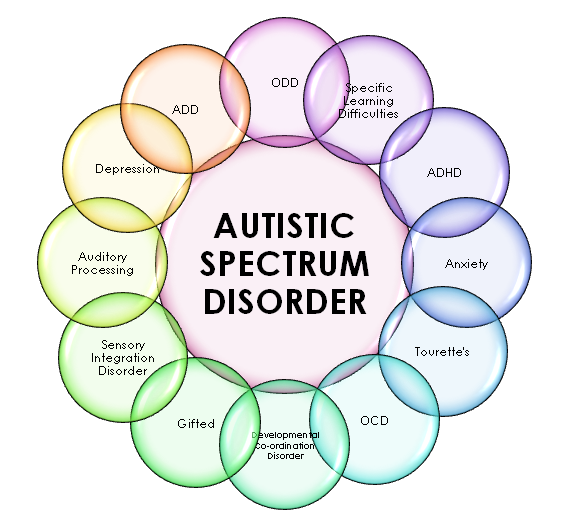
For instance, certain genetic mutations associated with autism may also predispose individuals to co-occurring conditions such as epilepsy or gastrointestinal disorders. Understanding these connections allows for proactive management, where medical teams can anticipate and mitigate potential complications before they arise. Additionally, pharmacogenomics—the study of how genes influence drug responses—is paving the way for personalized medication regimens. A child with a specific genetic variant may respond better to one type of antidepressant or antipsychotic, reducing the likelihood of adverse side effects and improving overall well-being.
The ethical implications of genetic testing, however, cannot be overlooked. As we delve deeper into the genetic underpinnings of autism, questions arise about privacy, consent, and the potential for stigmatization. The future of autism research must strike a delicate balance between scientific progress and ethical responsibility, ensuring that advances in genomics empower rather than marginalize the autistic community.
Technology as a Catalyst: Innovations in Assistive Tools and Therapeutics
The digital revolution has permeated every facet of modern life, and autism research is no exception. Assistive technologies are transforming the way individuals with autism communicate, learn, and interact with the world. Augmentative and alternative communication (AAC) devices, for example, have evolved from bulky, one-dimensional tools to sleek, intuitive platforms that adapt to the user’s unique needs. These devices not only facilitate verbal expression but also empower individuals with autism to navigate social interactions with greater confidence and autonomy.
Virtual reality (VR) is another frontier where technology is making significant inroads. By creating immersive, controlled environments, VR allows individuals with autism to practice social skills, manage anxiety, and rehearse real-world scenarios in a safe and supportive setting. The ability to simulate high-pressure situations—such as job interviews or public speaking—without the associated risks is a game-changer for many autistic individuals. Furthermore, VR can be customized to cater to specific sensory preferences, ensuring that the experience is both engaging and tolerable.
Beyond communication and social skills, technology is also revolutionizing therapeutic interventions. Robotics, for instance, is being used to develop social robots that interact with autistic children in ways that are predictable and non-threatening. These robots can serve as companions, therapists, or even educators, providing consistent reinforcement and reducing the unpredictability that often triggers anxiety in autistic individuals. The integration of wearable technology, such as smartwatches and biosensors, is also enabling real-time monitoring of physiological responses, offering insights into stress levels, sleep patterns, and emotional regulation.

Societal Integration: Housing, Employment, and the Pursuit of Inclusion
While scientific and technological advancements are critical, the future of autism research must also address the systemic barriers that prevent full societal integration. Housing, for instance, remains a pressing concern for many autistic individuals and their families. Traditional residential models often fail to accommodate the unique needs of autistic adults, leading to isolation, institutionalization, or dependence on aging caregivers. However, innovative housing solutions are emerging, such as co-housing communities designed specifically for neurodiverse individuals. These communities foster independence, peer support, and access to tailored services, creating environments where autistic adults can thrive.
Employment is another area ripe for transformation. Autistic individuals possess a wealth of strengths—such as attention to detail, pattern recognition, and deep focus—that are highly valuable in the modern workforce. Yet, systemic biases and lack of workplace accommodations often prevent them from realizing their potential. Companies are increasingly recognizing the benefits of neurodiversity, implementing hiring programs and workplace modifications to create inclusive environments. From quiet workspaces to flexible schedules, these adaptations not only benefit autistic employees but also enhance overall productivity and innovation.
The push for inclusion extends beyond housing and employment into education, healthcare, and public policy. Schools are adopting Universal Design for Learning (UDL) principles, which emphasize flexibility and accessibility in curriculum design. Healthcare systems are training providers to recognize and accommodate the sensory and communication needs of autistic patients. Policymakers, too, are recognizing the importance of legislation that protects the rights of autistic individuals, from anti-discrimination laws to funding for research and support services.
The Role of Community: Empowerment Through Advocacy and Collaboration
No discussion of the future of autism research would be complete without acknowledging the pivotal role of the autistic community itself. Historically, research has been conducted on autistic individuals rather than with them, leading to a disconnect between scientific priorities and the lived experiences of those affected. Today, there is a growing movement toward participatory research, where autistic individuals, families, and advocates are actively involved in shaping the direction of studies, clinical trials, and policy initiatives.
This shift toward collaboration is not merely ethical; it is essential for ensuring that research is relevant, respectful, and impactful. Autistic self-advocates bring invaluable insights into the challenges they face daily, from navigating sensory overload in public spaces to advocating for accommodations in educational settings. Their voices are driving a paradigm shift in how society perceives autism—not as a deficit to be corrected, but as a natural variation of human diversity to be celebrated and supported.
Community-driven initiatives are also fostering a sense of belonging and empowerment. Support groups, online forums, and grassroots organizations are providing platforms for autistic individuals to share their experiences, exchange resources, and advocate for change. These networks are not only sources of emotional support but also catalysts for collective action, amplifying the impact of individual voices and driving systemic transformation.
The future of autism research is not a distant promise; it is a dynamic, unfolding reality shaped by the convergence of science, technology, and human connection. As we stand on the brink of this new era, the possibilities are as vast as they are inspiring. From decoding the mysteries of the autistic brain to reimagining societal structures that embrace neurodiversity, the journey ahead is one of discovery, innovation, and profound hope. For those who walk this path—whether as researchers, caregivers, advocates, or allies—the ultimate reward lies not in the answers we uncover, but in the lives we transform along the way.