Can a simple touch from a furry companion unlock new realms of communication and comfort for individuals with autism, or is this bond merely a fleeting solace? The intersection of human development and the instinctive behaviors of animals has opened an intriguing panorama of therapeutic opportunities. Among these, animal-assisted therapy (AAT) stands out as a promising adjunct in the multidimensional approach to autism spectrum disorder (ASD). Yet, the question remains: how deeply can the presence of an animal influence the neurological and emotional landscapes of those on the spectrum?
The Genesis of Animal-Assisted Therapy in Autism
Animal-assisted therapy, an evolving paradigm in therapeutic interventions, merges the empathetic nature of animals with clinical techniques aimed at enhancing psychological, social, and emotional wellbeing. Its application within autism care is especially noteworthy given the unique challenges that ASD presents. Originating in the late 20th century, this therapy capitalizes on the inherent social cues and calming presence animals provide, often serving as a bridge between individuals with autism and their environment. In embracing animals, therapy taps into a profound primal connection that can circumvent traditional communicative barriers.

Enhancement of Social Interaction and Communication
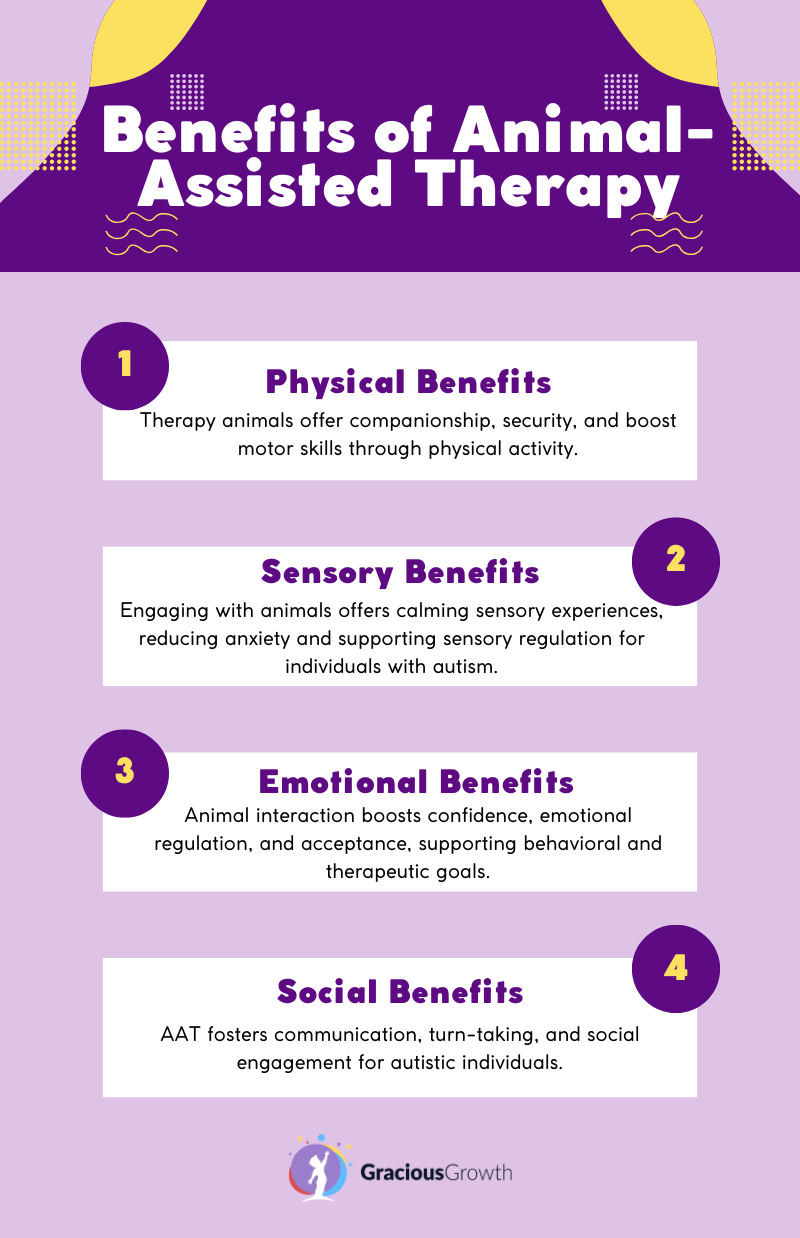
One of the cardinal features of autism is difficulty with social interaction and communication. Animal-assisted therapy ingeniously leverages animals to foster these skills in a non-threatening and engaging manner. For many individuals with autism, animals provide non-judgmental companionship, which can alleviate anxieties associated with human-to-human interaction. The presence of a therapy animal encourages eye contact, mimics social turn-taking, and cultivates verbal and non-verbal communication skills. Therapists often observe that children participate more willingly when encouraged by their animal companions, underscoring the subtle yet profound influence of this form of therapy.
Emotional Regulation and Sensory Processing
Sensory integration and emotional regulation pose significant challenges for many on the autism spectrum. Animals, through their predictable behaviors and calming presence, introduce an element of routine and sensory grounding. Tactile interactions such as petting a dog or grooming a horse can elicit soothing neurochemical responses, reducing cortisol levels and mitigating stress. Moreover, the rhythmic patterns of stroking or the warmth of an animal’s body offer tangible stimuli that can help individuals self-regulate emotions and reactions. This sensory input acts as a catalyst in diminishing overstimulation and fostering a sense of security.

Building Responsibility and Routine
The structure inherent in caring for an animal introduces accountability and routine into the lives of individuals with autism. The ritualistic nature of feeding, walking, or grooming a therapy animal instills a framework of responsibility, which can be immensely beneficial for behavioral development. This predictable regimen can enhance executive functioning skills, such as planning and task completion, which are frequently areas of difficulty in ASD. Furthermore, these responsibilities provide tangible accomplishments, nurturing self-esteem and independence.
Neurological and Physiological Benefits
The impact of animal-assisted therapy extends beyond emotional and behavioral domains into measurable neurological and physiological changes. Research indicates that interaction with animals can stimulate neuroplasticity—the brain’s ability to reorganize itself by forming new neural connections. This is crucial in autism, where atypical neural pathways can impede communication and cognitive flexibility. Additionally, physical engagement with animals often encourages movement and exercise, which contribute to overall health and wellbeing. This holistic benefit aligns with the objective of fostering not only psychological but also somatic resilience.
Challenges and Considerations in Implementation
Yet, animal-assisted therapy is not without its challenges. The heterogeneity of autism spectrum disorder mandates tailored approaches; what proves effective for one individual might not resonate with another. Allergies, phobias, and sensory sensitivities can complicate direct interaction with animals. Furthermore, the temperament and training of therapy animals themselves require meticulous screening to ensure safety and efficacy. Ethical considerations concerning animal welfare also hold paramount importance, necessitating protocols that safeguard both human and animal participants within therapy settings.
Integrative Models and Future Directions
Integrating animal-assisted therapy within conventional autism intervention frameworks has shown promising results, especially when combined with behavioral therapies such as Applied Behavior Analysis (ABA). Interdisciplinary teams involving psychologists, occupational therapists, and certified animal handlers forge a nuanced approach that maximizes therapeutic outcomes. Emerging technologies, including virtual reality simulations involving animals, illustrate the innovative potential to augment traditional methods. As scientific inquiry deepens, the role of genetic and epigenetic factors influencing responsiveness to AAT may unfold, guiding more personalized therapies.

In conclusion, the role of animal-assisted therapy in autism embodies a compelling blend of science and empathy, offering a unique conduit through which individuals on the spectrum can navigate their social and emotional landscapes. While it is no panacea, its multifaceted benefits—from enhancing communication and emotional regulation to building responsibility—underscore its value as a complement to established treatments. As understanding evolves, so too will the strategies harnessing the intrinsic bond between humans and animals, illuminating new pathways toward autonomy and wellbeing for those touched by autism.