Understanding the multifaceted and nuanced needs of an autistic child is paramount in forging a path toward effective support and nurturing development. Each child on the autism spectrum embodies a unique constellation of traits, challenges, and strengths. Being attuned to these distinctive characteristics requires patience, knowledge, and a commitment to empathy that transcends superficial observation. This article delves deeply into the diverse aspects that caregivers, educators, and professionals can explore to better comprehend and cater to the singular needs of autistic children.
The Landscape of Communication: Beyond Words
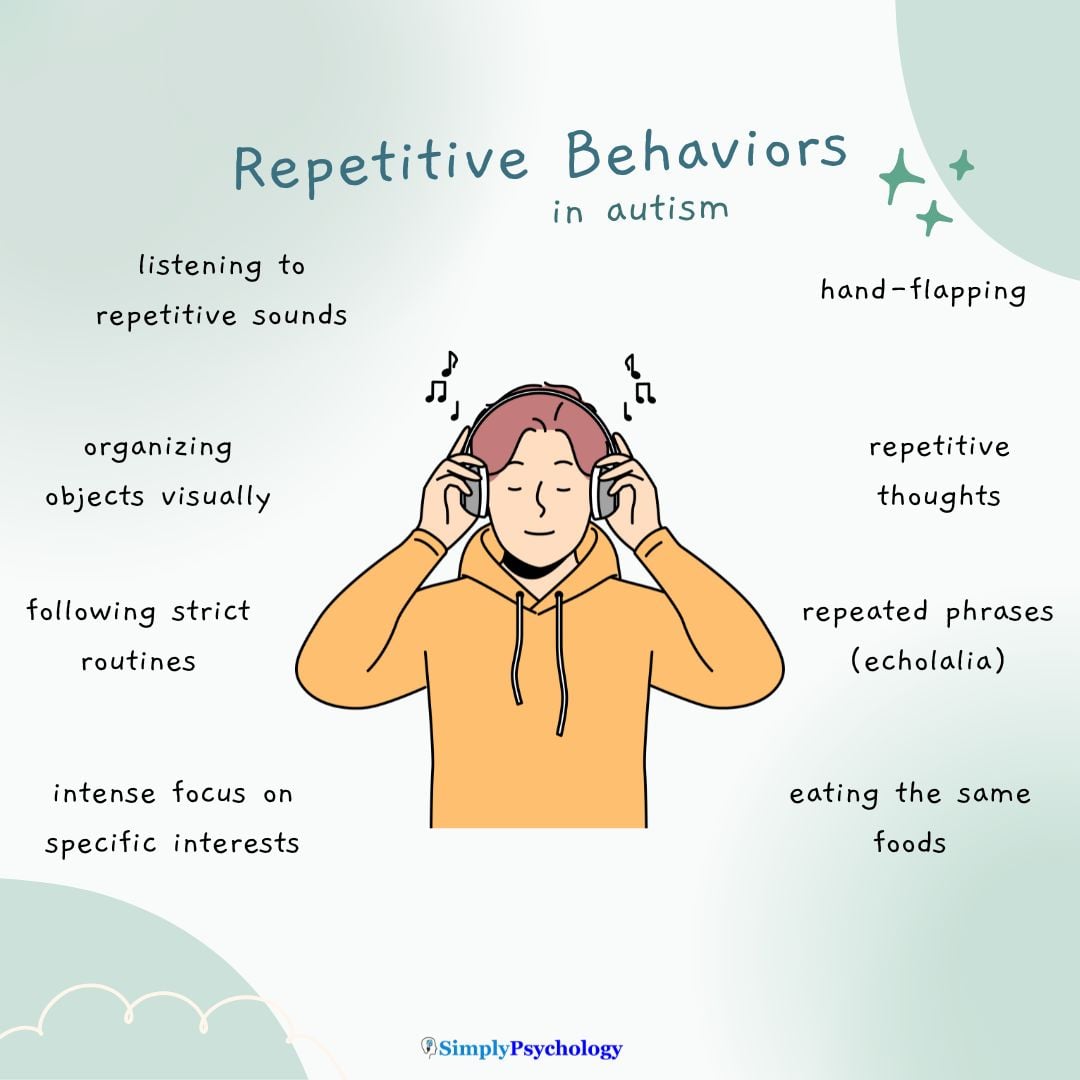
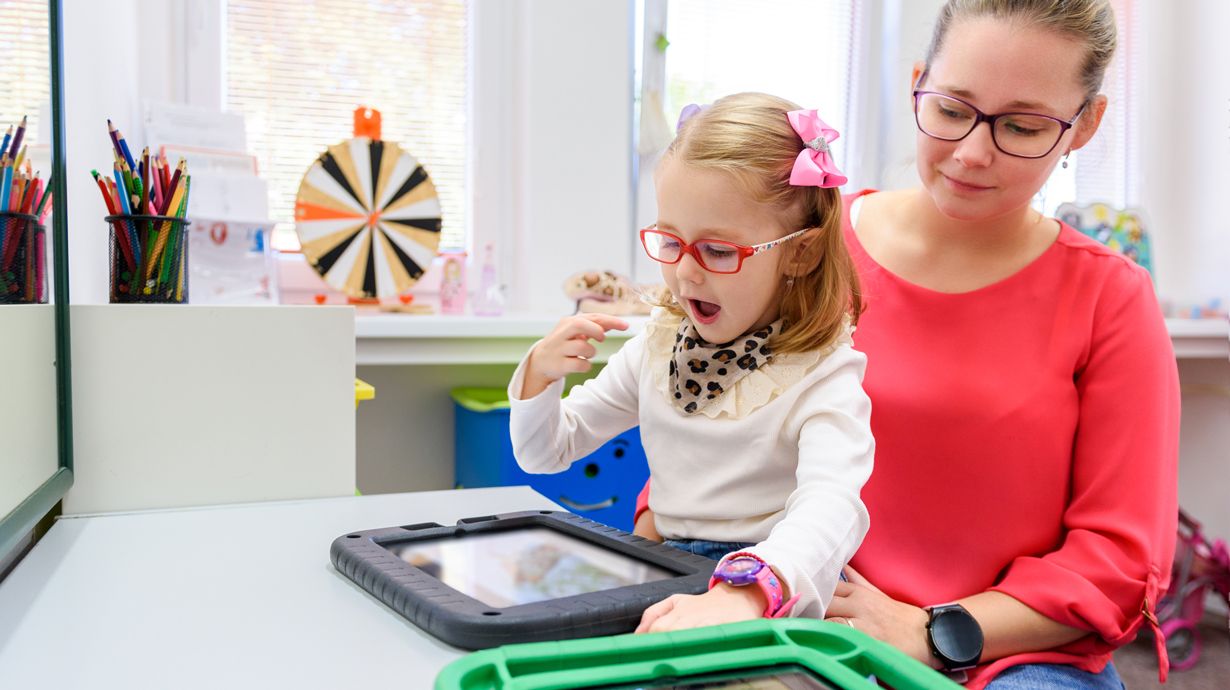
Communication in autistic children often diverges from conventional patterns, necessitating a broader lens through which to view expression and understanding. Some children may be nonverbal, utilizing alternative communication systems like Picture Exchange Communication Systems (PECS) or assistive technologies. Others might display echolalia—the repetition of phrases or sounds—signifying their processing of language in a manner unique to their neurological wiring.
Nuances such as tone, facial expressions, and body language may either be limited or interpreted differently, impacting social interactions. Recognizing these variations enables caregivers to tailor communication strategies that align with the child’s individual style, fostering meaningful connection rather than frustration.

Sensory Processing: Navigating a World of Sensations
A hallmark of autism spectrum disorder is atypical sensory processing. Sensory input that seems mundane to neurotypical individuals—such as the hum of a fluorescent light or the texture of a fabric—can be overwhelming or, conversely, underwhelming to an autistic child. Hypersensitivity might mandate a carefully curated environment to mitigate distress, whereas hyposensitivity may require intentional stimulation to engage the child’s senses.
Understanding these sensory profiles is critical. It informs everything from daily routines and educational settings to therapeutic interventions. Sensory diets, customized activities designed to regulate sensory input, offer profound benefits by aligning environmental stimuli with the child’s needs, thereby cultivating comfort and focus.

Cognitive and Learning Styles: Recognizing Individualized Pathways
Autistic children process information through pathways that frequently differ from those of their peers. Some may possess remarkable visual-spatial skills or excel in pattern recognition; others may require alternative approaches to learning that incorporate hands-on, experiential modalities. Traditional didactic teaching methods may not resonate, underscoring the necessity for educational plans tailored to individual cognitive profiles.
Flexible curricula, flexible pacing, and the integration of specialized supports such as Applied Behavior Analysis (ABA) or occupational therapy can accommodate these diverse learning patterns. Valuing a child’s intrinsic learning preferences rather than imposing rigid methodologies not only enhances academic success but also bolsters self-esteem and autonomy.
Behavioral Dynamics: Understanding the Why Behind Actions
Behavior in autistic children is a form of communication—a window into their internal world and how they experience their environment. Challenging behaviors often emerge not from defiance but as responses to sensory overload, anxiety, or unmet needs. Interpreting these behaviors with a compassionate lens rather than punitive reactions opens avenues for effective support.
Functional Behavior Assessments (FBAs) and individualized behavior intervention plans allow caregivers and professionals to identify triggers and reinforce positive behaviors through consistent interventions. Recognizing the context and underlying causes of behaviors is essential for fostering resilience and minimizing distress.
Social Interaction: Cultivating Meaningful Connections
Social engagement poses considerable challenges for many autistic children, yet the desire for relationships and meaningful interaction remains robust. Difficulties in interpreting social cues, maintaining reciprocity, or navigating conventional social norms can inhibit connection. However, by embracing neurodiversity and adapting social expectations, authentic bonds can flourish.
Facilitated playgroups, social skills training, and peer mentorship programs provide structured environments where autistic children can practice and develop social competencies. Celebrating small victories in social engagement and fostering environments free from judgment are pivotal in nurturing confidence and belonging.
Emotional Regulation and Mental Health
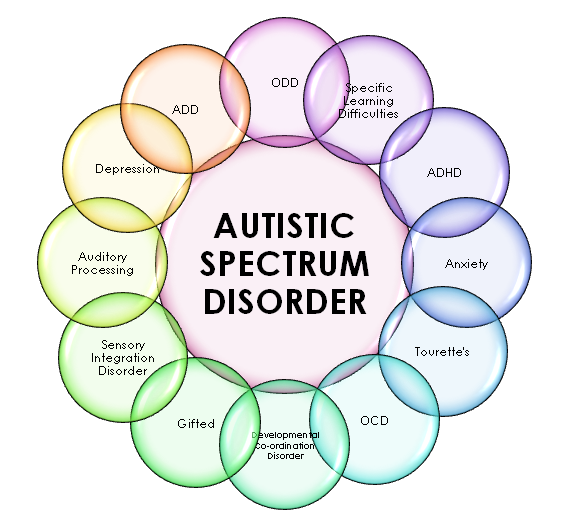
Emotional experiences in autistic children can be intense and sometimes difficult to manage. Anxiety, depression, and sensory-related frustrations frequently co-occur with autism, necessitating vigilance and proactive support. Developing emotional literacy and regulation strategies is key to helping children navigate their internal landscapes.
Interventions such as cognitive-behavioral therapy adapted for autistic individuals, mindfulness exercises, and safe spaces designed for emotional decompression equip children with tools to identify, express, and manage their feelings. A proactive approach to mental health not only mitigates distress but also lays the groundwork for lifelong emotional resilience.
Family and Community Support: Building a Network
The well-being of an autistic child is intricately interwoven with the fabric of family and community. Educating family members about autism, sharing resources, and connecting with support networks affirms the child’s experience and fosters holistic care. Communities that embrace acceptance and provide inclusive opportunities enhance the child’s social ecosystem.
Family-centered interventions empower caregivers with strategies and respite, reducing burnout and strengthening bonds. Advocacy and awareness at the community level dismantle stigma and open pathways to services, enriching the child’s quality of life.
In conclusion, embracing the unique needs of autistic children necessitates a multifaceted, compassionate approach that honors their individuality and potential. Recognizing the intricate interplay of communication styles, sensory experiences, cognitive patterns, and emotional landscapes facilitates tailored support that is both respectful and efficacious. Through informed understanding and dedicated commitment, caregivers and communities can cultivate environments where autistic children not only thrive but also flourish with dignity and joy.