Imagine stepping into a dense forest at dawn, where every leaf and twig whispers a story unique to its existence. Observing a 5-year-old child with autism is much like navigating this intricate sylvan landscape—it requires attentiveness to subtle cues, appreciation for atypical rhythms, and a keen eye for extraordinary patterns. At this tender age, patterns of behavior emerge that diverge from typical developmental pathways, revealing the distinctive tapestry of autism spectrum disorder (ASD). Recognizing these signs early provides a crucial compass for guiding supportive interventions, fostering the child’s growth, and embracing their unique potential.
Understanding the Nuanced Social Signals
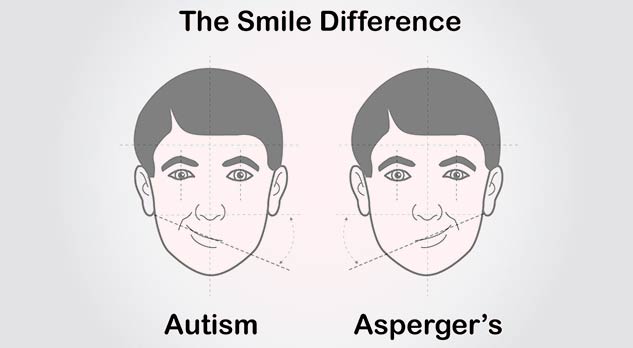
At the heart of autism lies a divergence in social communication. A 5-year-old with autism often communicates with the world differently—sometimes in silence, sometimes through unexpected gestures. Unlike typical peers who may effortlessly engage in shared play or exchange glances, children on the spectrum might avoid eye contact, as if their gaze is a portal they hesitate to open. This avoidance isn’t aloofness but a complex interplay of sensory sensitivity and social processing differences.
Moreover, these children often struggle with understanding the ebb and flow of social reciprocity. They might not respond to their names being called or might not initiate or sustain conversations in ways that align with neurotypical expectations. Their interactions can appear scripted or rehearsed, echoing phrases heard rather than spontaneously created. This verbal mimicry, known as echolalia, is one hallmark of their unique communication style.

Language and Communication: Beyond Words
Communication in autism transcends the simplistic realm of vocabulary. While some 5-year-olds with autism develop fluent speech, others remain nonverbal or use alternative modes such as gestures, pictures, or assistive technologies. The rhythm and prosody of their speech might differ; a child’s voice may carry a sing-song tone or robotic cadence, which can mystify caregivers and peers alike.
Additionally, many children with autism find literal meaning easier to grasp than abstract or idiomatic expressions, which can manifest as confusion over sarcasm or jokes. They might also demonstrate delays in combining words into meaningful sentences or show repetitive speech patterns. These communicative idiosyncrasies, while challenging, articulate a different cognitive landscape where language serves unique functions beyond typical social engagement.
Repetitive Behaviors and Restricted Interests: The Silver Threads in the Fabric
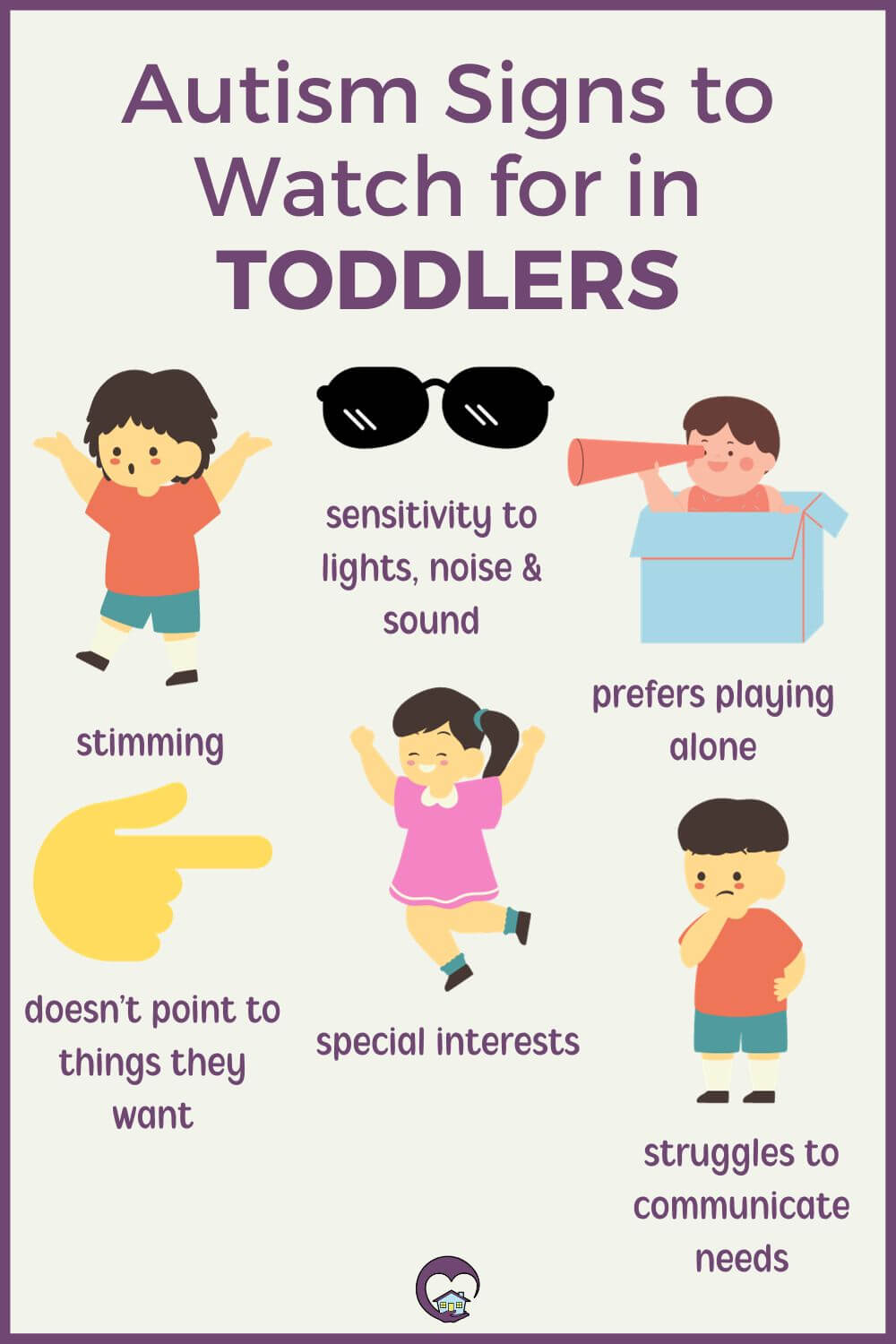
Much like the repetitive brushstrokes of an artist creating a masterwork, repetitive behaviors in autistic children form a mesmerizing pattern of predictability and comfort. These might include hand-flapping, rocking, spinning objects, or lining up toys in precise sequences. Such actions serve as self-regulatory mechanisms, offering solace amidst sensory or emotional turbulence.
Moreover, 5-year-olds with autism often develop intense and focused interests, sometimes fixated on niche subjects such as trains, maps, or specific TV shows. These interests are not mere hobbies; they are profound avenues through which children engage with their world, building expertise and a sense of mastery in areas that captivate them.

Sensorial Sensitivities: Living in a World of Amplified Stimuli
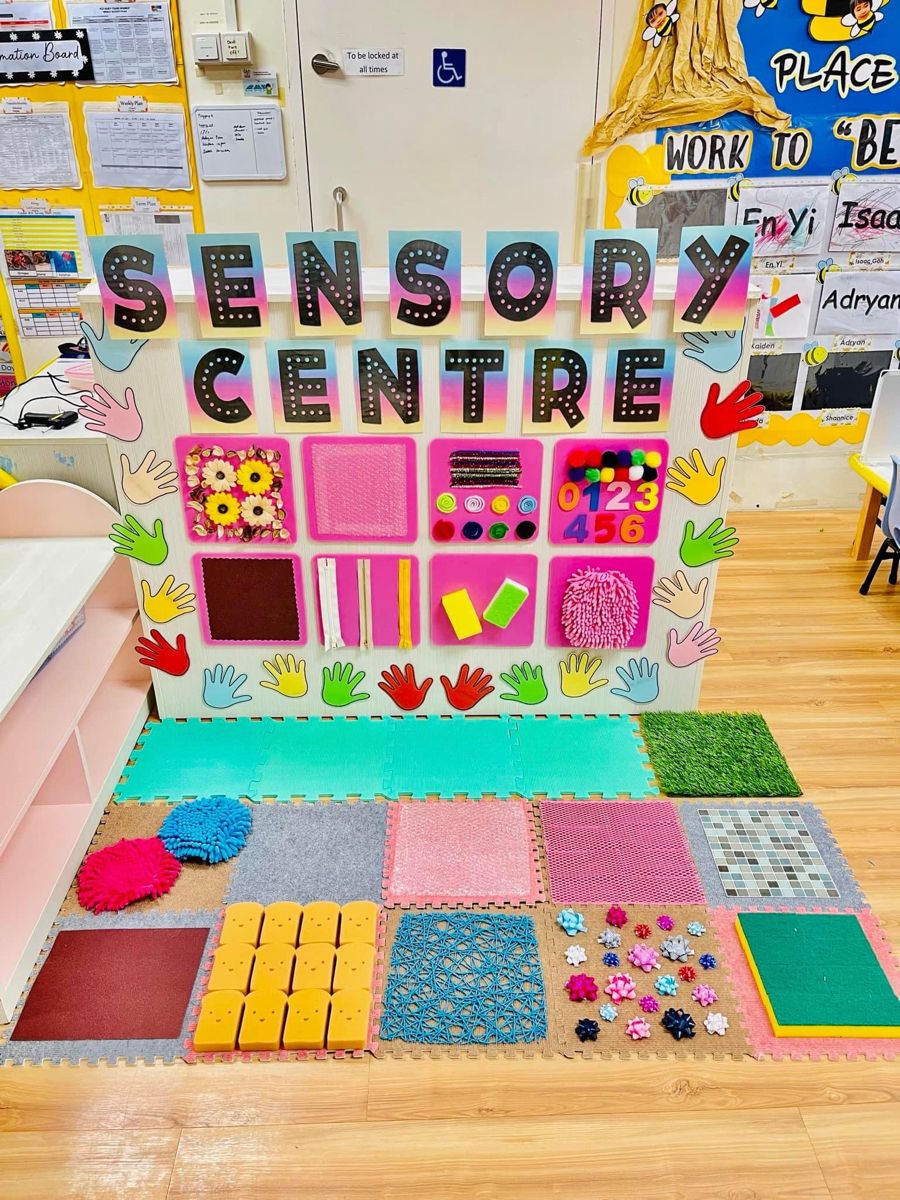
To a child with autism, the sensory world can feel like a symphony played at dizzying volumes—every sound sharper, every texture exaggerated, every light brighter. This sensory modulation disorder manifests in hypersensitivities or hyposensitivities to stimuli. For instance, a child may recoil from the feeling of certain fabrics or cover their ears at commonplace noises.
Conversely, some children seek intense sensory input, engaging in behaviors that provide deep pressure or vestibular stimulation. These unique sensory profiles influence their behavior and social interactions profoundly, often leading to misunderstandings without proper recognition.
Play and Imagination: Diverging from Developmental Norms
Play is the crucible through which children explore and internalize their worlds. However, autistic 5-year-olds may exhibit play divergent from their peers. Instead of imaginative role-playing or cooperative games, their play may be more solitary, narrowly focused, and repetitive. They might find joy in spinning wheels of a toy car endlessly or assembling puzzles with unwavering precision.
This kind of play, while seemingly atypical, reflects a different but valid approach to learning and amusement. It underscores the importance of valuing diverse modes of engagement and allowing space for children to navigate their curiosity uniquely.
Emotional Regulation and Behavior: The Invisible Currents
Behind the visible behaviors lies an ocean of emotions that may be difficult to decipher. Many children with autism face challenges in recognizing, expressing, and managing their feelings. This often results in tantrums, meltdowns, or withdrawal when overwhelmed.
Understanding these emotional undercurrents calls for patience and empathy, recognizing that such behaviors are not willful disobedience but responses to internal storms. Strategies for emotional regulation are often highly individualized and essential for fostering resilience.
The Importance of Early Recognition and Support
Identifying signs of autism by age five can be likened to catching the first rays of sunlight piercing through the forest canopy—offering clarity and hope. Early recognition opens pathways to targeted interventions including speech therapy, occupational therapy, social skills training, and tailored educational programs.
Each child’s journey is uncharted terrain that requires navigation with sensitivity and understanding. Early support lays the foundation not only for developmental gains but also for empowering the child to embrace their singular identity.
In conclusion, the signs of autism in a 5-year-old present as a complex yet captivating constellation of behaviors and traits that challenge conventional developmental expectations. Like the intricate ecosystem of a forest, every element—from social interaction and communication to sensory processing and play—intertwines to create a distinctive profile. Recognizing and honoring these signs is paramount in fostering environments where autistic children can flourish authentically, nurturing their extraordinary potential and enriching the mosaic of human diversity.