In conversations with autistic individuals, what we say—and equally, what we choose not to say—can have a profound impact. It is commonplace to notice that certain phrases, although said without malice or even with good intentions, often unsettle or frustrate those on the autism spectrum. Exploring what should be avoided when speaking to an autistic person unveils not only an etiquette of kindness but also a nuanced understanding of unique neurodivergent experiences. Beneath the surface of routine dialogue lies a realm of deeper meanings, overlooked sensitivities, and intrinsic differences that shape communication profoundly.
The Pitfalls of Minimizing Experience
One common misstep in conversations is the inadvertent minimization of an autistic individual’s feelings or challenges. Phrases such as “It’s not a big deal,” “Everyone gets overwhelmed sometimes,” or “You just need to try harder” oversimplify complex sensory, social, and cognitive experiences. These expressions diminish the validity of neurodivergent struggles by equating them to everyday frustrations experienced by neurotypical individuals. The underlying issue here is a latent misunderstanding: autism is not merely a difference in preference or minor inconvenience but an intrinsic neurological variation that demands respect and empathy.
Using such language not only belittles the lived realities of autistic people but hinders authentic connection. Instead of invalidating their experience, embracing active listening—recognizing the legitimacy of their challenges—fosters trust and openness.
Avoiding Stereotypical Assumptions
Autism is often clouded by stereotypes, many of which infiltrate everyday conversations. Statements like “You’re so smart for someone with autism” or “You don’t look autistic” reveal an ingrained societal fascination with neurodivergent individuals through a lens that is skewed by misunderstanding and surprise. These comments perpetuate a narrow view, implying that intelligence or appearance should conform to preconceived norms. They inadvertently enforce a hierarchy of “acceptable” autistic traits, which can alienate and silence those who don’t fit these molds.

Such remarks, though often meant as compliments, reveal a deeper societal intrigue: the unsettled reaction to difference and divergence from neurotypical standards. Recognizing autism as a spectrum—varied and multifaceted—dispels the simplistic assumptions and allows conversations to unfold without the burden of expectation or surprise.
Refraining from Patronizing or Infantilizing Language
Autistic adults, and children alike, frequently encounter language that unwittingly infantilizes them. Phrases like “You don’t need to explain, it’s okay” or using overly simplistic language in conversation can be patronizing, undermining autonomy and dignity. This tendency is especially prevalent when people believe autism necessitates a diminished capacity for comprehension or reasoned dialogue.
Respectful communication recognizes the intellectual and emotional capabilities of autistic individuals, addressing them as equals without unnecessary condescension. This approach fosters mutual respect and nurtures meaningful interactions grounded in sincerity rather than pity or excessive accommodation.
The Harmful Impact of Urging “Cures” or “Fixes”
One of the more distressing conversational pitfalls lies in discussions about “curing” autism. Commands or suggestions such as “Have you considered therapy to fix that?” or “You just need to act normal” ignore the foundational reality that autism is an integral part of someone’s identity, not an ailment waiting to be eradicated. This rhetoric contributes to stigma and internalized negativity, fostering a sense of failure or rejection in the autistic person.
The social inclination to “normalize” autistic behavior stems from a deep-seated discomfort with neurodivergence and a desire for conformity. However, this perspective neglects the value of neurodiversity, which celebrates the breadth of human experience and cognition.
Understanding Sensory and Social Communication Differences
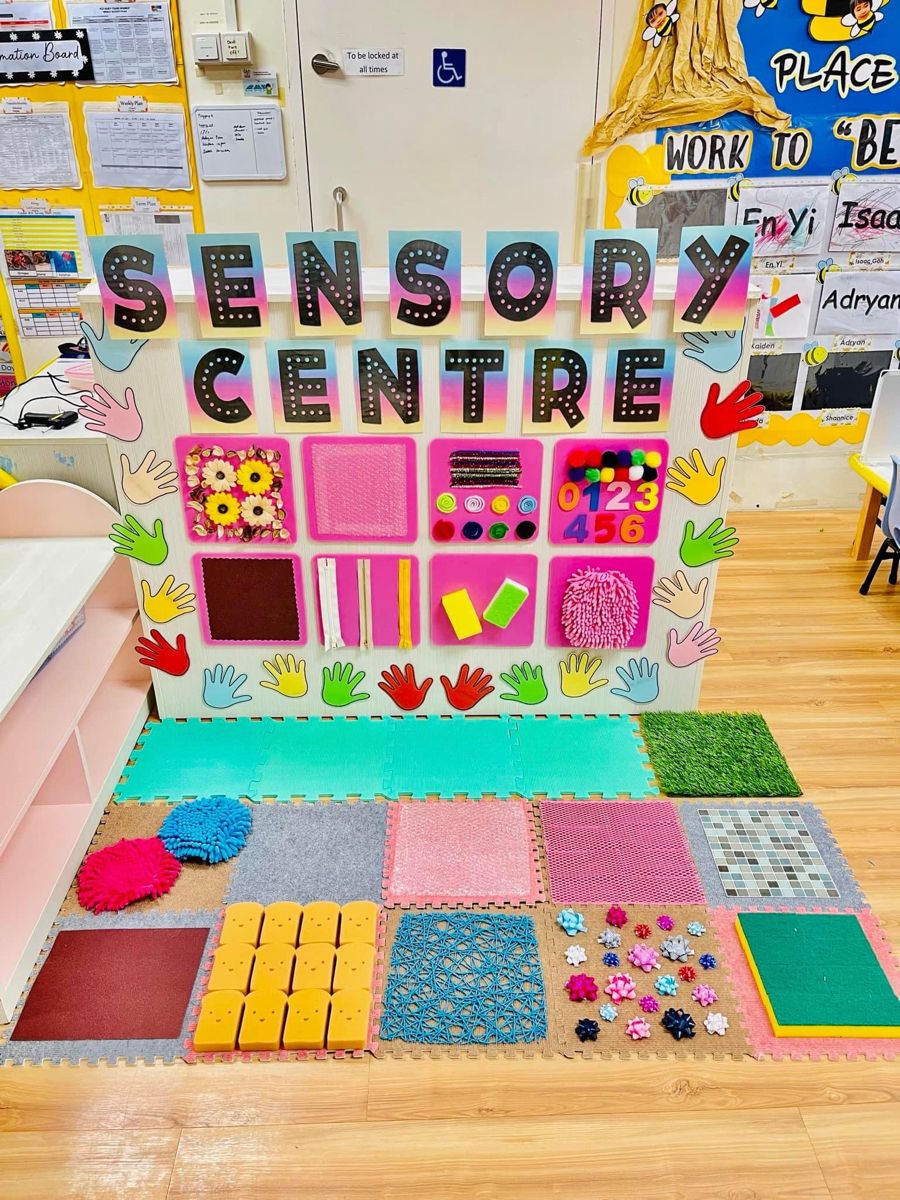
Misunderstandings often arise around sensory sensitivities or atypical social cues. Comments such as “You’re too sensitive” or “You’re being rude” when an autistic person reacts strongly to stimuli or behaves unconventionally highlight a lack of awareness about differences in sensory processing and social communication. These reactions can be defensive responses to environments or interactions that are overwhelming or misinterpreted.
Appreciating these nuances requires expanding empathy beyond traditional social frameworks, recognizing that autistic individuals may experience the world in more intense or divergent ways. Respecting boundaries and re-examining expectations about social norms can mitigate inadvertent offense and promote inclusivity.
The Unseen Impact of “Why Can’t You Just…”
Expressions beginning with “Why can’t you just…” often betray impatience and misunderstanding. Whether it’s “Why can’t you just make eye contact?” or “Why can’t you just be more flexible?” such phrases disregard the authentic neurological differences that inform behavior modulation and social engagement. They position autistic traits as faults or willful noncompliance rather than manifestations of a distinct brain wiring.
These questions exude a yearning for simplicity—an attempt to frame complex neural realities within the confines of typical behavioral expectations. Shifting dialogue away from “fix-it” mentalities toward understanding and accommodation transforms the landscape of interpersonal communication.
The Importance of Avoiding Stereotypical “Inspirational” Tropes
Frequently, autistic individuals are placed on a pedestal as “inspirational” solely based on their diagnosis, encapsulated in comments such as “You’re so brave” or “You inspire me.” While intended to be supportive, these często laudatory remarks inadvertently reduce autistic persons to a symbol of triumph over adversity, ignoring the richness and normalcy of their lived experiences.
This “inspiration porn” phenomenon can obscure the everyday realities and needs of autistic people, privileging an external narrative over authentic interaction. A focus on genuine respect and acknowledgment without overgeneralized romanticization is crucial to fostering equitable dialogue.
Concluding Reflections: Toward Empathetic and Informed Communication
The language we select when interacting with autistic individuals is never trivial. Words carry weight, shaping perceptions, emotions, and relationships. Avoiding certain phrases and adopting a considerate, informed approach reflects not just politeness but a profound respect for neurodiversity. Moving beyond curiosity or simplistic fascination to genuine understanding enables communication that honors individual experiences.
Ultimately, it is about listening—truly listening—to autistic voices and letting their realities inform how we speak and engage. Through intentional language choices, we dismantle barriers, challenge stereotypes, and build bridges grounded in respect and authenticity. The journey toward inclusive dialogue is ongoing, demanding vigilance and humility but promising richer, more meaningful human connections.