
One of the most poignant questions surrounding autism spectrum disorder (ASD) concerns the precise moment when its symptoms begin to manifest. This inquiry is not merely clinical; it taps into a deeper fascination embedded within developmental psychology and parental observation. The subtle emergence of behaviors that herald autism prompts both wonder and urgency, propelling caregivers and professionals to seek clarity amid the variability of childhood development.
Early Observations: The Subtle Infancy Indicators
Autism symptoms often make their first appearance during infancy, yet these early manifestations are frequently shrouded in nuance. Parents might initially notice fleeting signs such as diminished eye contact, limited social responsiveness, or atypical reactions to sensory stimuli. For instance, an infant may not follow a caregiver’s gaze or fail to smile reciprocally. These behaviors, while not exclusive to autism, serve as preliminary markers warranting closer attention.
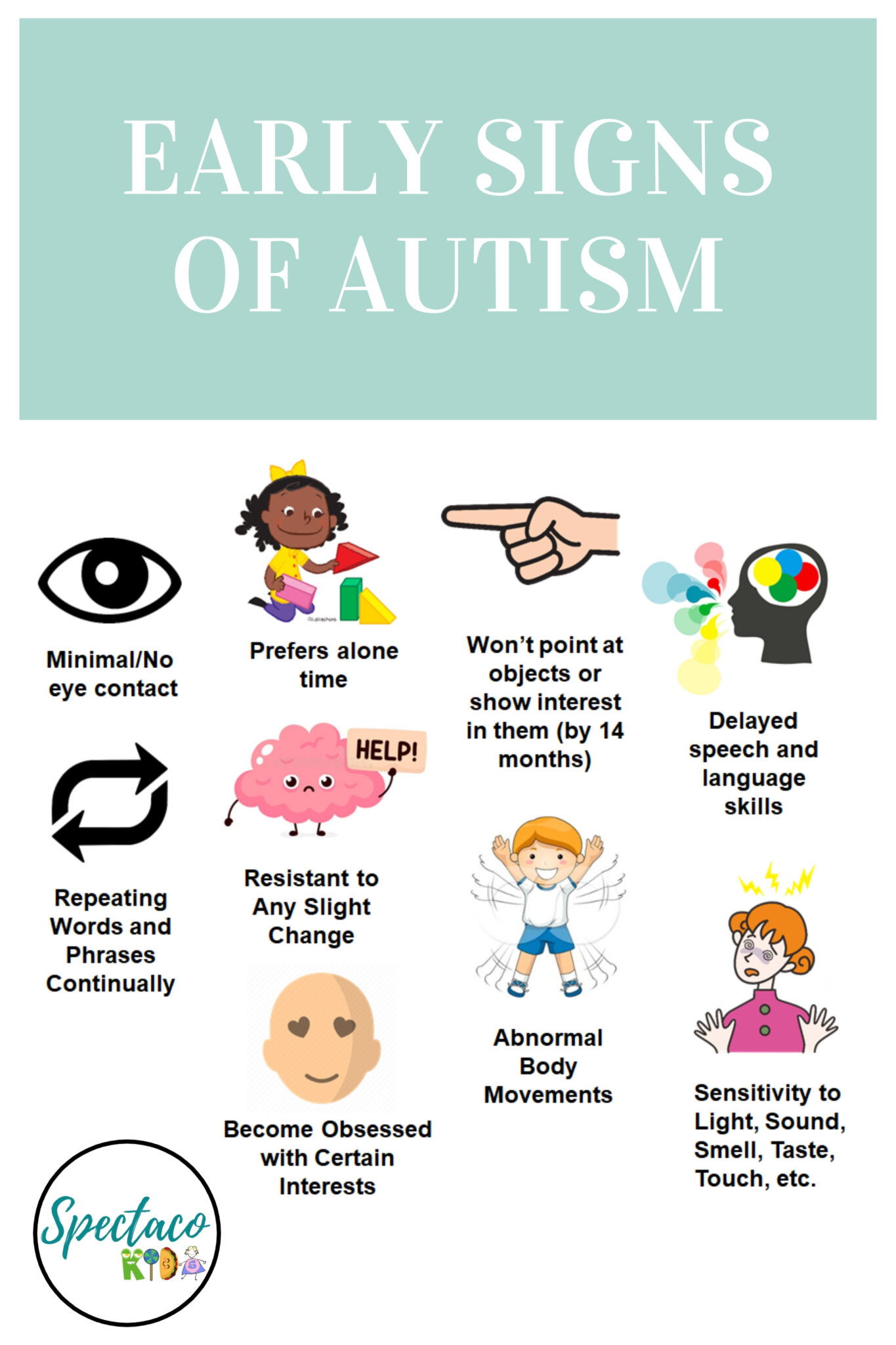
Why does this fascinate observers? Because infancy traditionally embodies a period of rapid social and cognitive blossoming. When typical milestones are mildly skewed or absent, an undercurrent of concern guides the questioning of what lies beneath these early social discrepancies.
Preschool Years: Consolidation of Characteristic Behaviors
Between the ages of two and four, symptoms become more conspicuous, crystallizing into recognizable patterns aligned with autism diagnoses. During this period, delays in speech development, repetitive behaviors such as hand-flapping or rocking, and an intense preference for routines commonly become apparent. The incongruity between a child’s behavior and societal expectations crystallizes into a poignant narrative that caregivers and educators find simultaneously perplexing and compelling.

At this juncture, the insistence on sameness and resistance to change may be perceived as stubbornness by untrained eyes, but they represent neurological traits intrinsic to the disorder. Such observations spur a deeper inquiry into the intertwining of neurodevelopmental pathways and environmental interactions that delineate the spectrum.
Deeper Insights Into the Neurodevelopmental Roots
The intrigue surrounding the timing of symptom emergence extends beyond surface behaviors into the neurological architecture that shapes them. Mounting research suggests that autism stems from atypical brain connectivity and synaptic development occurring prenatally or during early infancy. This neurodevelopmental divergence likely precedes observable symptoms by months or even years, explaining why early signs may initially be inconspicuous.
Understanding this latent period sheds light on the intricate choreography of developmental processes. It underscores why some children may not exhibit overt symptoms until external social demands escalate, revealing previously masked difficulties. The gradual unmasking of symptoms highlights how brain plasticity and experiential factors intersect during formative years, shaping each individual’s unique trajectory.
Challenges in Timing Diagnosis
Pinpointing the exact onset of autism symptoms is complicated by diagnostic subtleties and the heterogeneity of the spectrum. Variations in symptom severity, co-occurring developmental delays, and familial perceptions influence when concerns are raised and professional evaluations are sought. Some children with milder traits may not be identified until later childhood or even adolescence, when social and academic challenges amplify the underlying differences.
This temporal complexity captivates clinicians and researchers alike, spurring advances in screening tools designed to detect the faintest early indicators. It also invites a reconsideration of rigid diagnostic criteria, encouraging a dimensional approach that embraces the fluidity of symptom emergence and expression.
The Role of Parental and Caregiver Vigilance
Parents and caregivers frequently serve as the primary sentinels of early autism symptoms. Their intimate knowledge of their child’s unique behaviors provides critical information that often predates formal screening. This vigilant observation is a testament to the intricate bond between caregiver and child, rooted in daily interaction and emotional attunement.
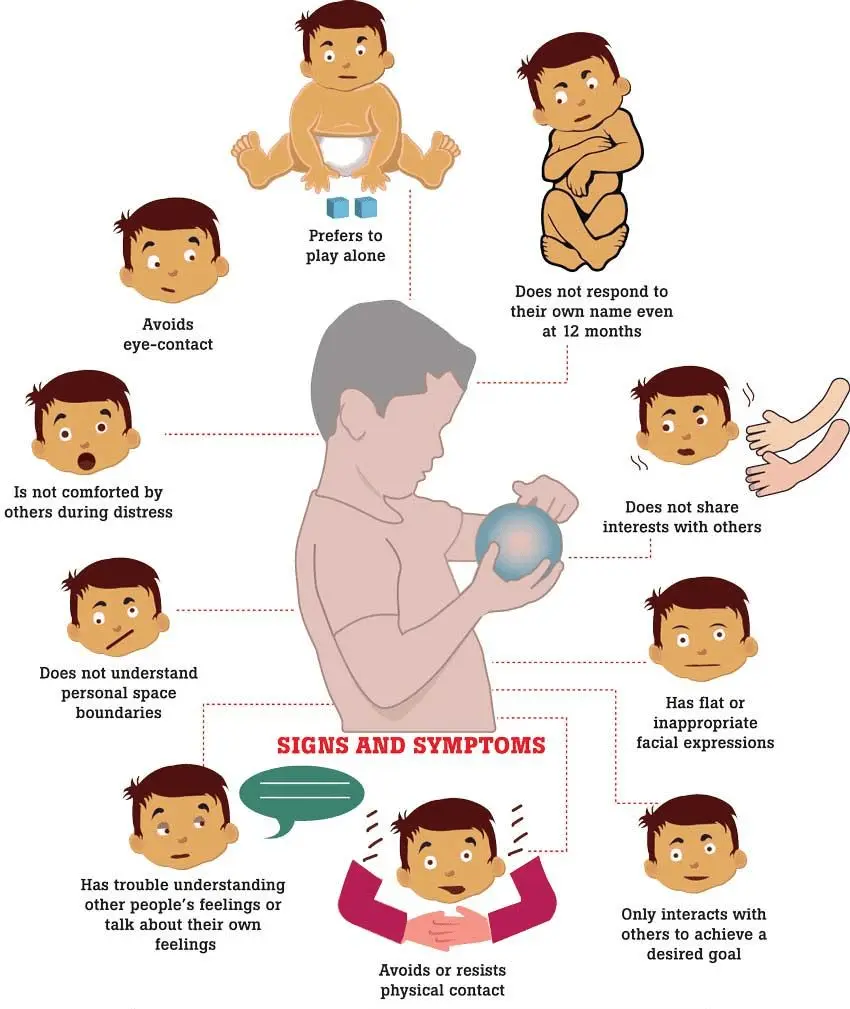
The keen awareness that parents display when noting subtle deviations not only facilitates earlier intervention but also highlights the profound investment in understanding a child’s inner world. This phenomenon reveals a broader social and emotional dynamic: the passionate desire to comprehend and support emerging differences, even in their earliest and most tentative expressions.
Implications for Early Intervention
The temporal window during which autism symptoms first materialize holds significant implications for intervention strategies. Early identification is paramount, as timely support can leverage neuroplasticity to foster developmental gains and mitigate long-term challenges. Tailored interventions—ranging from behavioral therapies to sensory integration—are most effective when aligned with the evolving needs of the child during these formative years.
A deeper appreciation of symptom onset also encourages a proactive stance within healthcare and educational systems. Implementing surveillance protocols that acknowledge the spectrum’s diversity promotes a continuum of care, adaptable to each child’s developmental rhythm rather than relying solely on static benchmarks.
Conclusion
The first appearance of autism symptoms is a subject laden with profound significance and layered complexity. It invites us to explore not only the observable markers of ASD but also the subtle neurodevelopmental processes hidden beneath the surface. Observing these early signs nurtures a collective fascination grounded in empathy, scientific curiosity, and the shared hope for timely support.
Understanding the timing of symptom emergence broadens our perspective on childhood development, urging a nuanced approach that embraces variability and respects each child’s individual path. In this intricate interplay of biology, behavior, and environment, early detection becomes more than a clinical goal; it evolves into a beacon guiding the journey toward inclusion, understanding, and flourishing.












