In contemporary discourse, autism is frequently mistaken for a disease—a condition to be cured or a deficit to be remedied. However, this perception obfuscates the rich complexity and inherent value of neurodiversity. Autism is not a malady; it is a difference that manifests in unique cognitive patterns, sensory experiences, and ways of interacting with the world. Recognizing autism as a difference rather than a disorder is pivotal in fostering respect, inclusion, and empowerment for autistic individuals. This nuanced understanding invites society to shift its focus from pathology to appreciation, embracing diverse neurological realities as integral components of human variation.
The Paradigm Shift: From Disorder to Difference
The traditional medical model often frames autism through a lens of deficits and diagnostic criteria, spotlighting what autistic individuals supposedly lack. This reductionist viewpoint emphasizes impairment, portraying autism as a problem to be fixed. However, the social model of disability offers an alternate perspective, underscoring that many challenges faced by autistic people arise not from their neurological makeup but from societal barriers, stigma, and limited accommodations.
Embracing autism as a neurodivergent condition facilitates a reframing: it celebrates diverse cognitive processes rather than pathologizing them. This shift not only mitigates stigma but also cultivates a more inclusive environment where autistic individuals can thrive as their authentic selves. It underscores that difference does not imply dysfunction; it signals alternative ways of perceiving and engaging with the world.
Neurodiversity: Celebrating Cognitive Variance
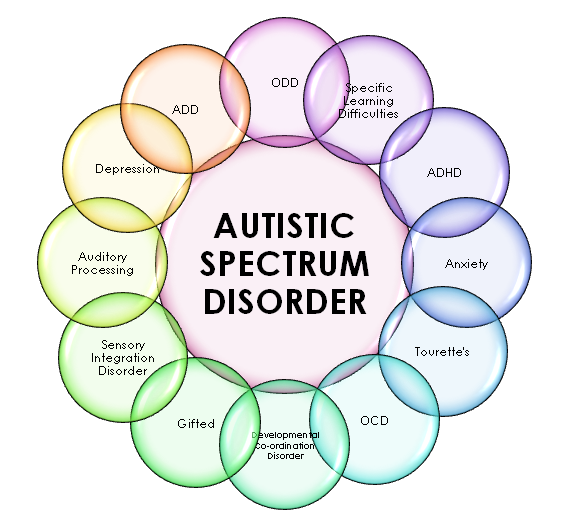
Neurodiversity is a concept that highlights the breadth of human neurological variation, including autism, ADHD, dyslexia, and more. It posits that neurological differences are natural and valuable forms of human diversity, akin to ethnicity or gender. Autistic cognition often encompasses distinct strengths such as enhanced pattern recognition, meticulous attention to detail, and profound focus on areas of interest.
Rather than viewing these traits as eccentricities or hindrances, recognizing them as assets opens avenues for innovation, creativity, and specialized expertise across various fields. By fostering environments that accommodate and nurture these strengths, society benefits from the full spectrum of human potential.
Sensory Experiences and Communication Styles
Autistic individuals often experience the world through sensory lenses that diverge significantly from neurotypical patterns. Hyper- or hypo-sensitivities to stimuli—such as light, sound, touch, or smell—are common, contributing to unique perceptual experiences and sometimes sensory overload. These variations in sensory processing are not pathological experiences but rather alternative modes of interaction with the environment.
Furthermore, communication among autistic people may differ from conventional standards. Many utilize nonverbal cues, alternative communication methods, or atypical speech patterns to express themselves. Recognizing and honoring these diverse communicative styles is essential to fostering genuine connection and understanding. It challenges societal norms about language and expression, advocating for inclusivity beyond conventional verbal communication.
Misconceptions and Societal Barriers
Persistent misconceptions perpetuate misunderstandings about autism. The erroneous equation of autism with incapacity ignores the profound talents, insights, and emotional depth possessed by autistic individuals. Media narratives frequently emphasize deficits, reinforcing stereotypes that marginalize autistic identities.
These misconceptions contribute to societal barriers—ranging from inaccessible educational settings to workplace discrimination. When society views autism through a pathological lens, it inadvertently enforces exclusionary practices and deprives autistic people of opportunities for self-actualization. Addressing these systemic issues requires holistic changes that affirm autistic identities and foster environments attuned to diverse needs.

Supporting Autistic Individuals: Beyond Cures
The emphasis on curing autism often overshadows the importance of providing meaningful support tailored to individual needs. Support should prioritize enhancing quality of life, autonomy, and self-determination rather than mandating conformity to neurotypical standards. This paradigm embraces acceptance, accommodation, and respect for neurodivergent ways of being.
Educational frameworks that adapt to diverse learning styles, workplaces that implement sensory-friendly policies, and communities that foster social acceptance are critical components of this supportive ecosystem. Such systems empower autistic individuals to flourish on their terms, advocating for societal transformation rather than individual normalization.
The Role of Advocacy and Allyship
Advocacy spearheaded by autistic self-advocates has been instrumental in reshaping perceptions of autism. Their voices challenge deficit-based narratives and illuminate the imperative of embracing neurodiversity. Allyship, when grounded in listening, humility, and action, bolsters these efforts by amplifying marginalized perspectives and championing systemic reform.
Understanding autism as a difference necessitates ongoing education and cultural shifts within families, institutions, and communities. Allies must eschew paternalistic attitudes and instead collaborate with autistic individuals to co-create environments founded on mutual respect and inclusion.
Ultimately, perceiving autism as a difference rather than a disease transforms both personal and collective narratives. It fosters empathy, enriches relationships, and cultivates a society where diversity thrives inherently. Embracing this paradigm invites all to celebrate the kaleidoscope of human minds, recognizing that every neurologically unique individual contributes indispensably to the mosaic of our shared humanity.