Have you ever wondered how extracurricular activities can be tailored to better suit children on the autism spectrum? Selecting the right activities can sometimes feel like navigating a labyrinth, balancing the desire for engagement with the need for comfort and accessibility. This challenge, however, opens the door to discovering a wealth of enriching opportunities that nurture growth, foster social connections, and cultivate unique skills in ways that respect sensory sensitivities and individual interests.
Understanding the Role of Extracurricular Activities for Kids with Autism
Extracurricular activities are more than just pastimes; they serve as vital platforms for developing social skills, enhancing communication, and boosting self-esteem. For children with autism, these activities can challenge conventional learning paradigms by offering hands-on, experiential environments that align with their learning styles. Carefully selected activities encourage neurodiverse children to explore their talents without the overwhelming pressures often found in traditional settings.
1. Art Therapy and Creative Workshops
Art provides a nonverbal outlet for expression, making it especially beneficial for children who struggle with verbal communication. Creative workshops emphasizing texture, color, and shape exploration promote fine motor skills while reducing anxiety. Structured yet flexible artistic environments grant autonomy and sensory exploration simultaneously.
2. Music and Rhythm Classes
Engaging with music taps into auditory processing strengths and can support emotional regulation. Rhythm-based activities, such as drumming circles or simple instrument play, foster group participation without the pressure of verbal interaction. These classes often incorporate repetition, which helps with learning and retention.
3. Therapeutic Horseback Riding (Equine Therapy)
Horseback riding not only enhances physical coordination and balance but also establishes a calming connection between child and animal. It encourages responsibility and empathy in a sensory-friendly environment, providing multisensory stimulation that’s both engaging and soothing.
4. Swimming Lessons
Water activities are renowned for their therapeutic properties, offering a buoyant, weightless experience that can soothe the nervous system. Swimming encourages physical exertion, enhances gross motor abilities, and supports socialization through group classes tailored to individual pacing and comfort.
5. Martial Arts
Martial arts teach discipline, respect, and self-control in environments that can be structured and predictable. They also promote physical fitness and coordination while fostering confidence. Many disciplines, such as Aikido or Tae Kwon Do, offer customized instruction sensitive to communication styles and sensory needs.
6. Puzzle and Strategy Games Clubs
Intellectual stimulation is imperative, and puzzle or strategy game clubs cultivate critical thinking and problem-solving skills. These activities can be structured as quiet, small-group settings, reducing sensory overload while encouraging peer interaction through shared interests.
7. Gardening and Nature Exploration
Spending time outdoors nurtures mindfulness and patience. Gardening projects encourage responsibility and provide tactile experiences through soil, plants, and water. Nature-based activities can reduce anxiety and inspire curiosity, fostering a connection to the environment that supplements academic learning.
8. Drama and Role-Playing Groups
Acting and role-playing encourage empathy and perspective-taking, essential for social development. When conducted in a supportive, low-pressure atmosphere, drama activities help children experiment with communication and emotion in a safe, structured manner.
9. Cooking Classes
Cooking is a multisensory activity that promotes independence and practical life skills. It integrates measuring, following instructions, and fine motor coordination. Small-group cooking sessions that minimize overwhelming sensory stimuli can make this a rewarding experience.
10. Technology and Coding Clubs
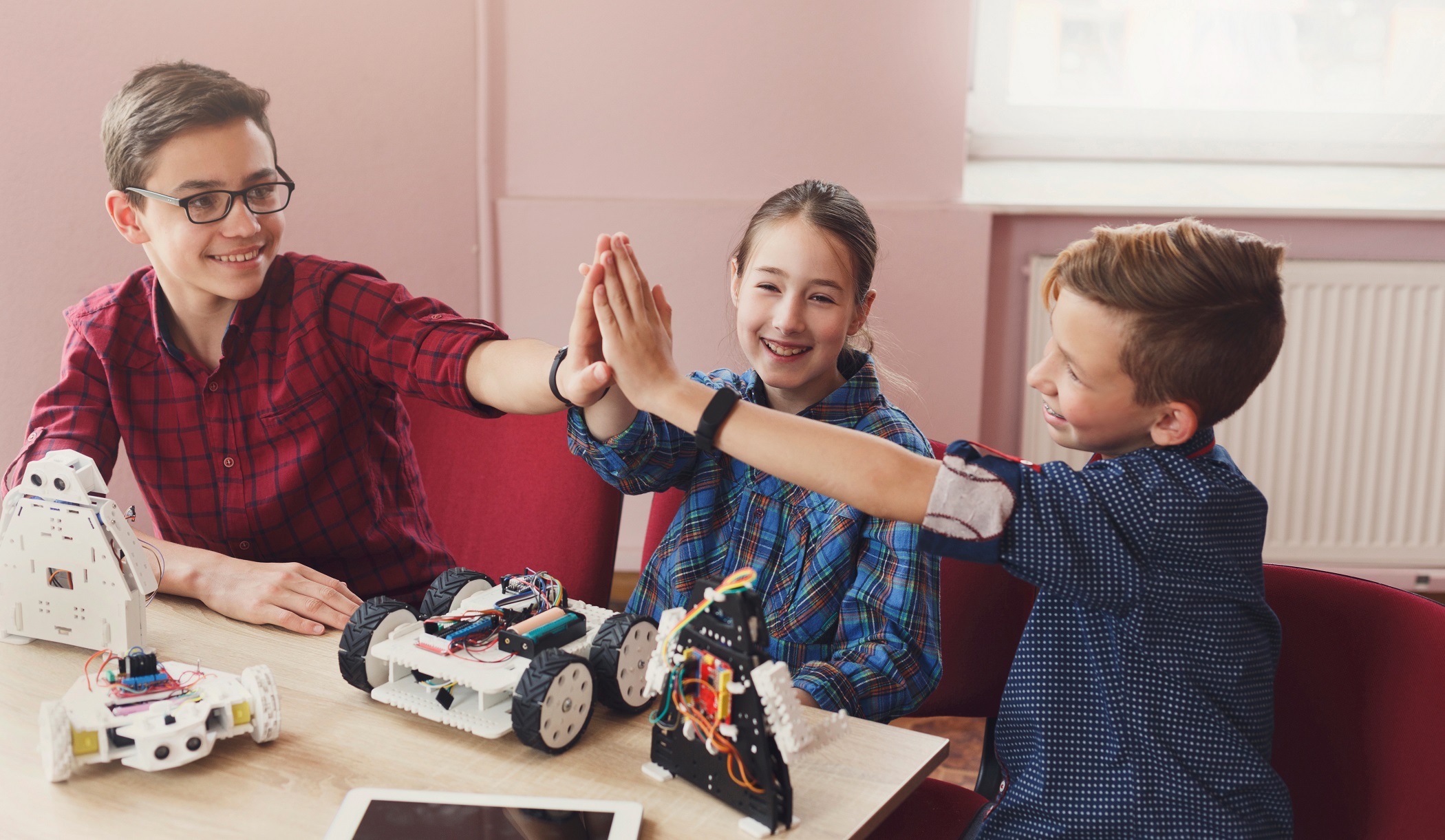
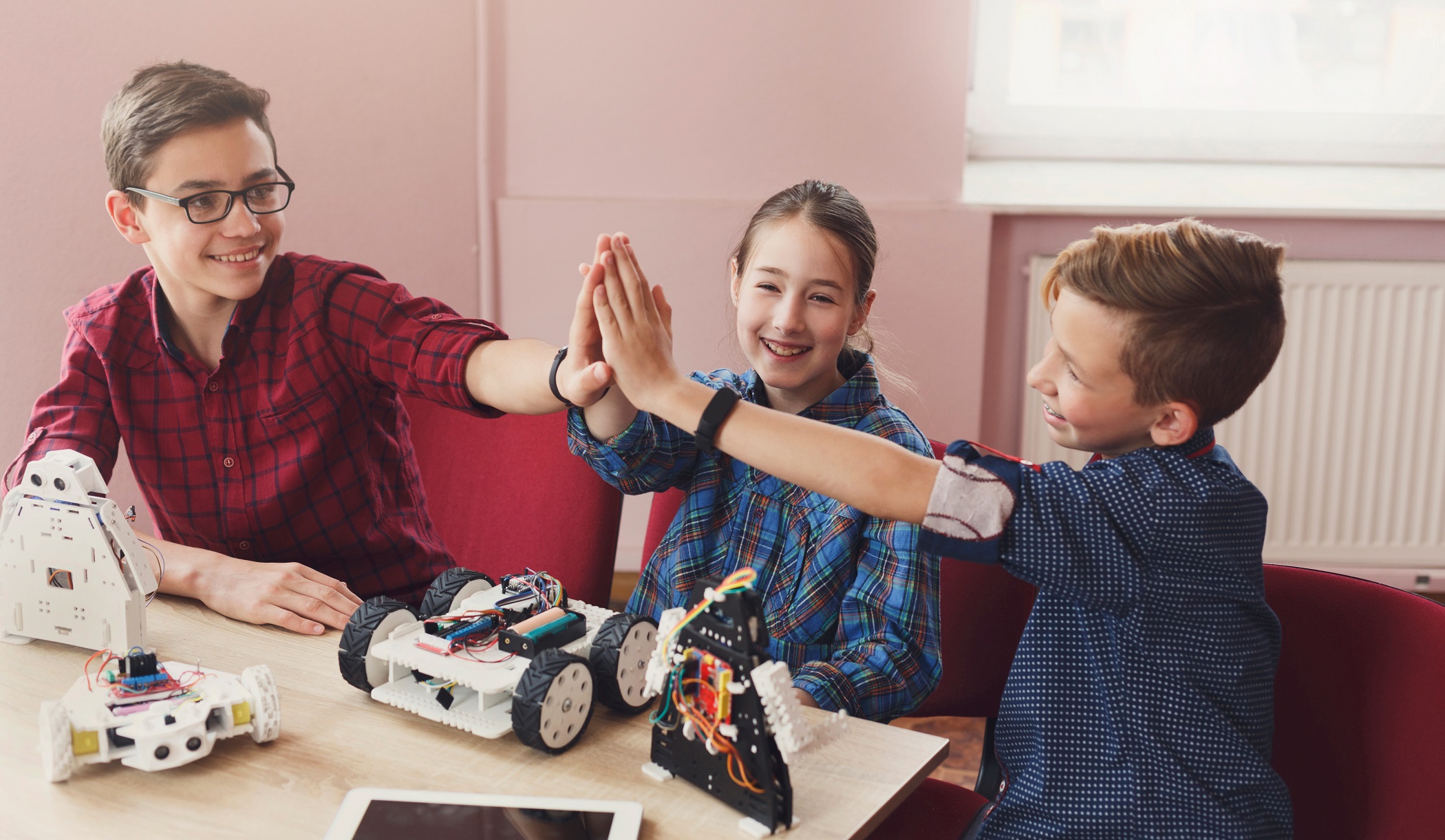
Many children on the spectrum possess strong affinities for technology. Coding clubs can leverage visual learning tendencies and logical reasoning, offering structured challenges with clear rules. These clubs often foster collaboration through peer programming and shared project work.
11. Social Skills Groups
Structured social skills groups focus specifically on interpreting social cues, turn-taking, and conversation skills. These targeted activities often utilize role-play and direct instruction to cultivate meaningful interactions, using peer modeling in a safe environment.
12. Yoga and Mindfulness Classes
Yoga promotes body awareness, relaxation, and emotional regulation. Mindfulness techniques integrated into yoga classes help children with autism manage anxiety and sensory sensitivities, improving focus and encouraging internal calm.
13. Lego and Building Clubs
Constructive play through building blocks appeals to both imaginative and analytical minds. Lego clubs promote collaborative play, creativity, and spatial reasoning while offering repetitive, predictable patterns that provide comfort and structure.
14. Dance and Movement Therapy
Dance combines expressive movement with music, enhancing motor planning and emotional expression. Movement therapy sessions adapt to varying comfort levels and sensory needs, encouraging children to explore physicality in a fun and supportive environment.
15. Animal-Assisted Activities
Beyond horseback riding, interacting with pets or therapy animals can be profoundly calming and sociable. These activities encourage nurturing behavior, reduce stress, and build empathy. Programs often incorporate guided interaction, ensuring safety and comfort for all participants.
Navigating Individual Preferences and Needs
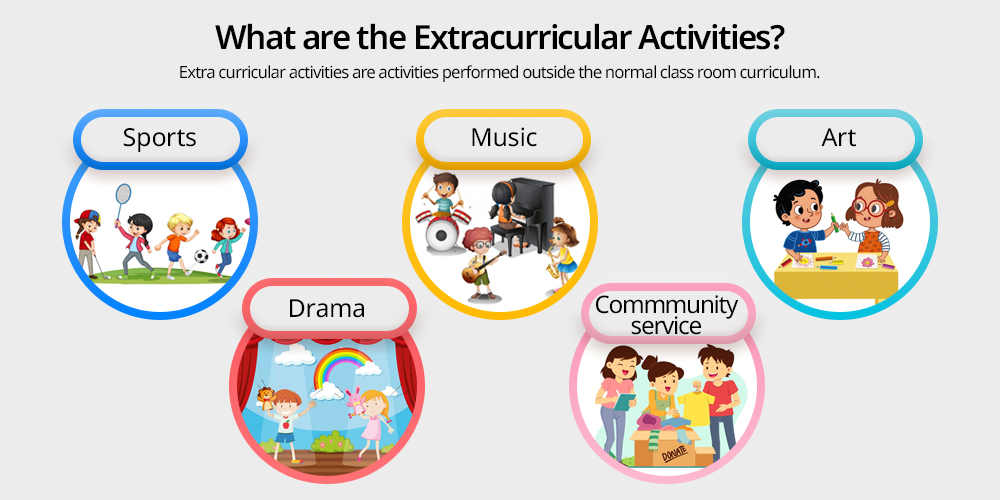
While this catalogue of activities is expansive, the selection process must honor each child’s distinct preferences, sensory challenges, and communication styles. Engaging caregivers, educators, and therapists in the conversation ensures a holistic approach to participation. Flexibility, patience, and adaptive strategies transform potential obstacles into opportunities for connection and growth.
Conclusion: Embracing Possibilities Beyond the Classroom
Extracurricular activities tailored to children with autism open portals to joyful discovery, skill acquisition, and social belonging. Though the path may initially pose questions and uncertainties, the resulting journey enriches every aspect of development. By embracing thoughtful, autism-friendly activities, we provide children with a canvas broad enough for their talents to flourish and a sanctuary expansive enough for their spirits to soar.