At first glance, a child expressing distress might appear to be simply throwing a tantrum. However, beneath the surface, this seemingly straightforward behavior can reveal a profound divergence in origin and significance—especially when distinguishing between an autistic meltdown and a conventional tantrum. This nuanced understanding challenges preconceived notions and invites a reevaluation of the behaviors that, on the surface, look disturbingly similar. Peeling back the layers exposes a complex interplay of neurological, emotional, and environmental factors that craft these disparate outbursts.
The Nature of Emotional Overload: Defining Autistic Meltdowns
An autistic meltdown is an intense response to overwhelming sensory input or emotional overload. Unlike traditional emotional outbursts, meltdowns are involuntary and stem from an inability to regulate sensory stimuli or emotional distress. These episodes are not acts of defiance or manipulation; rather, they are manifestations of profound internal turmoil. When the neurology of autism spectrum disorder (ASD) meets the threshold of cumulative stress, it triggers a cascade where executive function temporarily collapses, leaving the individual unable to process or communicate distress effectively.
During a meltdown, the brain’s capacity to filter sensory information becomes compromised. Ordinary stimuli—sounds, lights, textures—may suddenly become unbearable, provoking a fight-or-flight reaction. This refractory state is less a tantrum and more an acute neurological crisis, a bodily plea for relief and reprieve from his or her entire environment. Recognizing this subtle but critical distinction reshapes the narrative from one of punishment to one of empathy and intervention.

Tantrums: The Language of Demand and Defiance
Contrastingly, tantrums typically represent deliberate emotional expressions. Rooted in frustration, anger, or the desire to assert autonomy, these outbursts often serve as communicative tools when a child wishes to influence their environment. The tantrum is an active behavior, even if immature, and is often reinforced—whether through attention, the removal of a demand, or gaining access to desired objects or activities.
Developmentally, tantrums are a natural stage. They signify a child’s growing awareness of their ability to affect change, albeit in rudimentary and often socially unacceptable ways. In most scenarios, tantrums diminish as children develop more sophisticated emotional regulation and communication skills. They are typically episodic and context-dependent, fading once the underlying desire or frustration has been addressed.
Processing Difference: Volition and Control
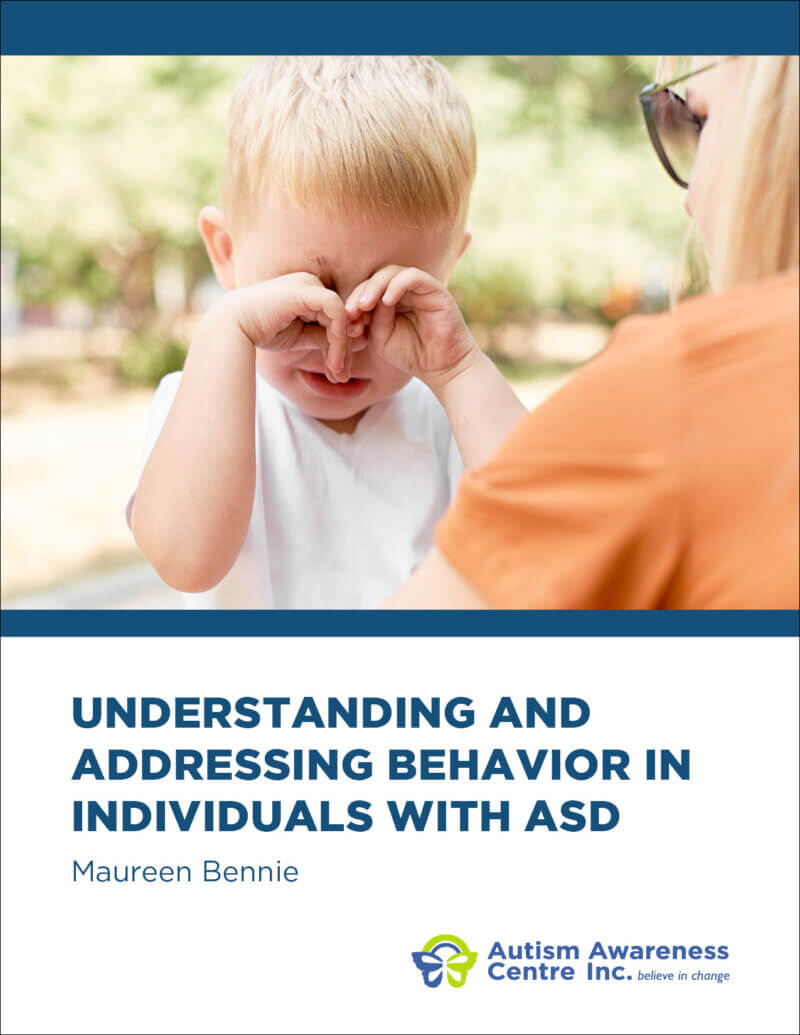
The cornerstone of differentiating between tantrums and meltdowns lies in volition—the capacity to consciously control one’s actions. Tantrums, by nature, involve a degree of choice; children select behaviors believed to influence their environment. Meltdowns defy this framework. They are beyond voluntary control, frequently leaving individuals feeling stranded in an overwhelming storm of sensations and emotions.
The aftermath further illuminates the divergence. Children who throw tantrums often exhibit signs of remorse or embarrassment once the episode concludes. In stark contrast, following a meltdown, individuals may be exhausted, disoriented, or confused, grappling with a residual sensory overload that persists beyond the event itself. This residual effect underscores the neurological basis behind meltdowns and illustrates the necessity of tailored support beyond conventional behavioral management techniques.
Triggers and Environmental Influences
Both tantrums and meltdowns arise in response to triggers. Yet, the quality and complexity of these triggers vary considerably. For tantrums, triggers are typically straightforward frustrations or unmet desires—a denied toy, a refused request, a boundary set by a caregiver. These provocations are predominantly external and socially mediated.
Meltdowns, however, are precipitated by multifaceted stressors often unrelated to immediate desires. Sensory overload—such as cacophonous noises, glaring lights, or crowded spaces—can initiate a meltdown. Emotional factors, including anxiety, confusion, or change in routine, also exacerbate susceptibility. This intricate matrix of triggers can be elusive, complicating attempts to anticipate or prevent such episodes.
Intervention Strategies: Empathy Beyond Discipline
Appreciating the chasm between meltdowns and tantrums transforms intervention paradigms. Tantrums may respond well to limits, consistent consequences, and behavioral redirection. Autistic meltdowns demand a more compassionate approach—one that prioritizes sensory accommodation, de-escalation techniques, and the creation of predictable environments.
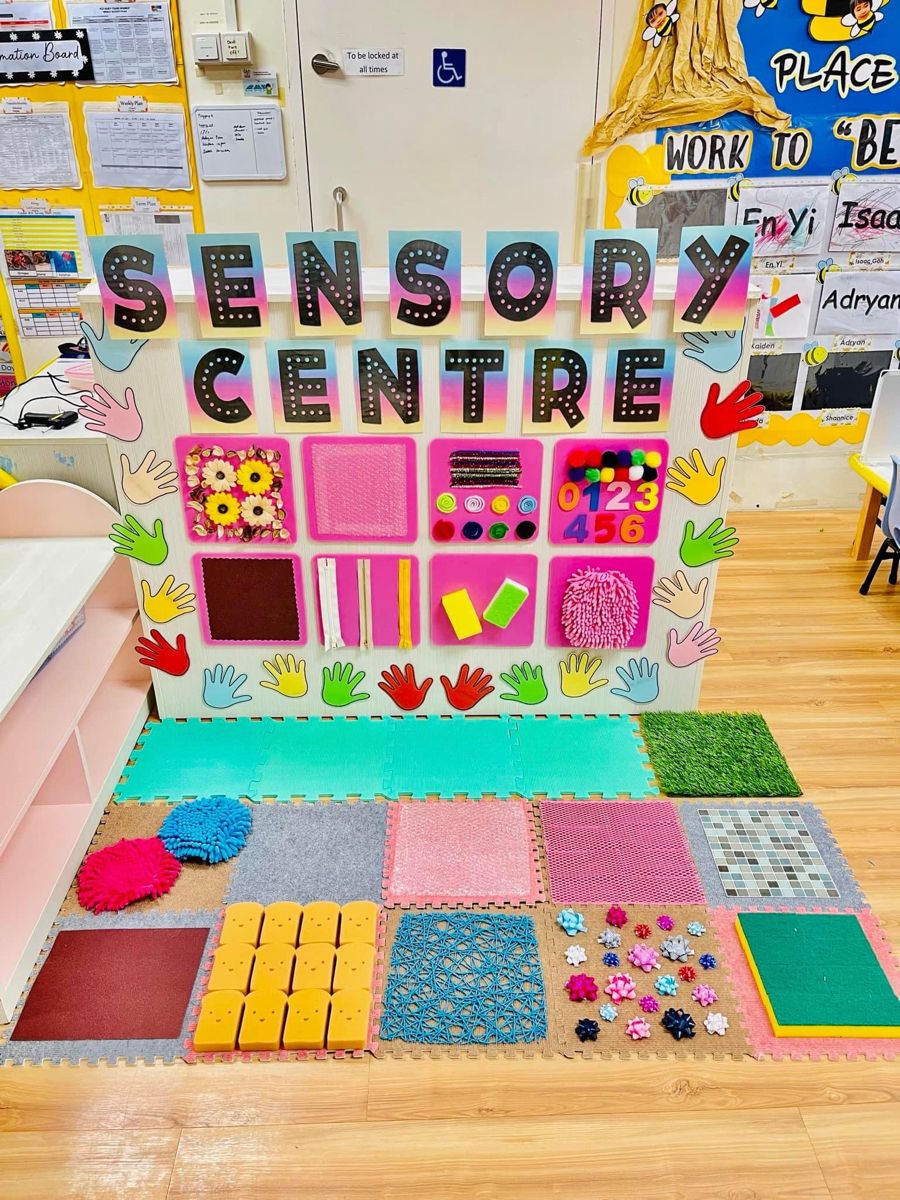
Interventions for meltdowns might include the use of sensory tools (noise-canceling headphones, weighted blankets), quiet safe spaces, and routines designed to minimize sensory unpredictability. Importantly, caregivers and educators must foster emotional attunement, recognizing pre-meltdown signs such as withdrawal or agitation to intervene preemptively. These subtle cues become navigational markers guiding the path toward stability.
Shifting Perspectives: From Misjudgment to Understanding
The overarching challenge lies in shifting perspectives—from misjudgment to recognition of a profound neurological phenomenon. What may superficially appear as obstinacy or poor discipline is often a cry for help within the circuitry of the autistic brain. Shifting this lens calls for dismantling stigma, advocating for informed empathy, and educating society on the intricate realities of autism spectrum behaviors.
With better understanding, communities can evolve from punitive responses to nurturing ones, enabling individuals to navigate their world with dignity and support. Recognizing the divergence between meltdowns and tantrums is not only a clinical imperative but also a social and ethical one.

Ultimately, the distinction between autistic meltdowns and tantrums challenges us to reconsider how we interpret distress, respond to it, and respect the invisible struggles some endure daily. A misinterpreted meltdown could lead to frustration for both the individual and those around them, but viewed through an enlightened perspective, it opens avenues for compassion, tailored support, and, above all, respect for the complex tapestry of human experience.