
Setting therapy goals for autistic children is a nuanced and intricate process that demands thoughtful consideration and a tailored approach. The journey towards meaningful progress is seldom linear; it requires caregivers, therapists, and educators to cultivate objectives that resonate with the child’s unique strengths, challenges, and aspirations. This article delves deeply into the multifaceted nature of goal setting within autism therapy, exploring the diverse categories of objectives, the importance of personalized benchmarks, and the collaborative framework essential for success.
Understanding the Spectrum: The Need for Individualized Goals
Autism Spectrum Disorder (ASD) encompasses a wide range of developmental differences, making it imperative to recognize that no two children share the same trajectory or therapeutic needs. Establishing goals begins with an in-depth evaluation of the child’s current skills, communication preferences, sensory sensitivities, and social interactions. Rather than adopting a one-size-fits-all strategy, effective goal setting embraces this heterogeneity, refining plans that honor each child’s particular profile. This bespoke nature of goal formulation ensures that progress is both attainable and meaningful.
Core Categories of Therapy Goals
Therapeutic goals for autistic children generally bifurcate into several overarching domains, each critical to the child’s holistic development. These domains include communication, social skills, behavioral management, and daily living skills, along with emotional regulation. Focusing on these areas individually and in concert cultivates well-rounded growth and facilitates integration into various environments.
Communication Goals
Communication often sits at the epicenter of autism therapy, as challenges in expressive and receptive communication can limit interaction with others. Goals here may range from enhancing verbal language and expanding vocabulary to using augmentative and alternative communication (AAC) methods such as picture exchange systems or speech-generating devices. For nonverbal children, goals might emphasize intentional gestures or facial expressions as primary communication tools.

Fostering effective communication lays the groundwork for building relationships and navigating daily life. Incremental, measurable objectives that encourage consistent use of communication strategies can empower children to express needs and desires, reducing frustration and promoting autonomy.
Enhancing Social Interaction
Social skills goals address the often complex nature of interpersonal dynamics experienced by autistic children. These may involve teaching turn-taking, recognizing social cues, initiating interactions, or engaging in cooperative play. The emphasis is on scaffolding appropriate social behavior in contexts ranging from family gatherings to school environments.
Targeted interventions might also incorporate pragmatic language skills, helping children decipher figurative speech, humor, and the subtleties of conversational reciprocity. The overarching aim is to reduce social isolation by encouraging meaningful connections that foster empathy and mutual understanding.
Behavioral Management and Emotional Regulation
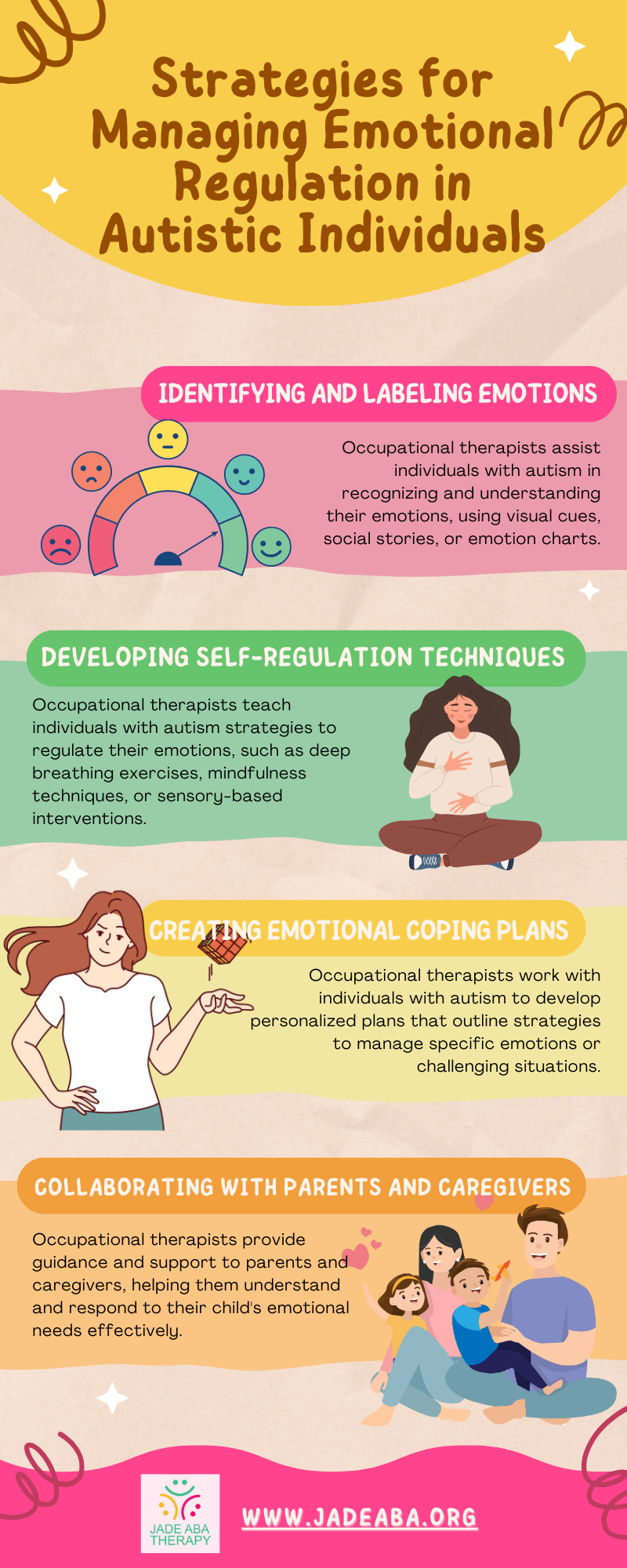
Many autistic children exhibit behaviors that stem from sensory overload, anxiety, or difficulty processing emotions. Therapy goals here focus on identifying triggers and developing coping mechanisms to manage self-stimulatory behaviors, aggression, or meltdowns. Techniques such as calm-down routines, visual schedules, and sensory integration strategies often form the core of these objectives.
Emotional regulation is deeply intertwined with behavioral management. Teaching children to recognize and label emotions, both in themselves and others, promotes self-awareness and resilience. This domain requires patience and often draws on multidisciplinary approaches incorporating occupational therapy, psychology, and speech-language pathology.
Daily Living and Life Skills
Independence in daily tasks is paramount for quality of life and long-term autonomy. Goals in this category cover self-care activities like dressing, grooming, eating, and toileting, as well as navigating routines such as school attendance or household chores. These objectives encourage gradual acquisition of skills, adapted to the child’s developmental stage and cognitive abilities.

The cultivation of functional life skills not only supports independence but also mitigates caregiver burden and enhances social inclusion. Therapists frequently utilize task analysis to break down complex activities into manageable steps, facilitating steady progress.
The Collaborative Framework: Involving Families and Professionals
Setting therapy goals is rarely a solitary endeavor. Collaboration between families, therapists, educators, and occasionally the child themselves forms the cornerstone of effective intervention. Families provide critical insights into daily routines, preferences, and observed behaviors, contributing to the relevance and feasibility of goals. Likewise, therapists bring expertise in evidence-based practices and developmental milestones.
Regular communication and reassessment ensure that goals remain responsive to the child’s evolving abilities and challenges. Incorporating feedback loops, progress monitoring, and flexible goal adjustments enhances engagement and ensures continuous alignment with overarching developmental objectives.
Utilizing SMART Goals Framework
The SMART criteria — Specific, Measurable, Achievable, Relevant, and Time-bound — provide a robust template for articulating therapy objectives. Goals crafted within this framework increase clarity and focus, facilitating targeted interventions and objective progress assessments.
For example, instead of a vague goal like “improve social skills,” a SMART goal might state: “Within three months, the child will initiate a greeting to a peer at least three times during school recess, on four out of five days.” Such precise delineation allows for accurate tracking and adjustment as needed.
Integrating Sensory and Motor Goals
Autistic children frequently experience sensory processing differences and motor planning challenges. Incorporating goals that address these areas within occupational therapy settings enhances overall functionality. Sensory goals may target tolerance to specific stimuli such as textures or sounds, while motor goals can focus on fine motor skills like handwriting or gross motor coordination involved in activities like walking or balance.
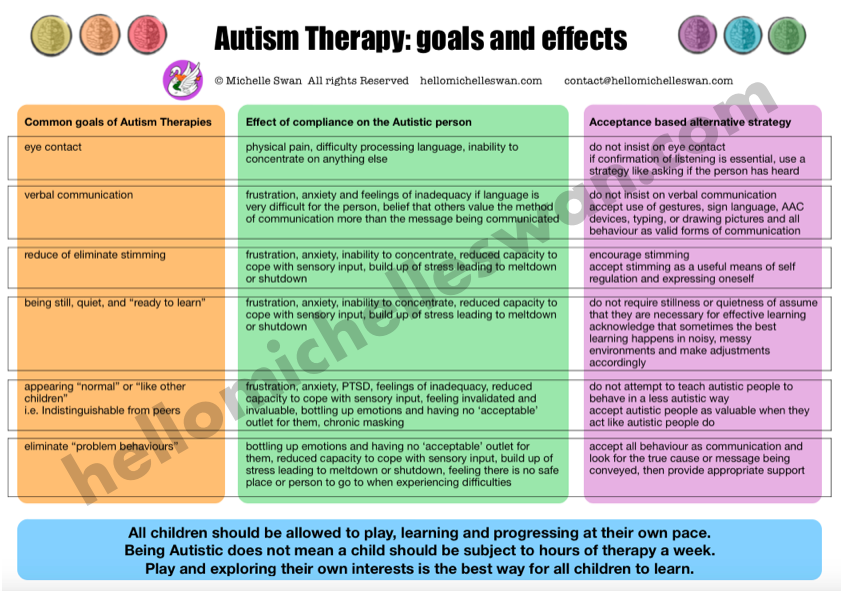
By addressing sensory and motor domains alongside communication and social objectives, therapy plans embody a holistic approach that acknowledges the intricate interplay between sensory input and functional behavior.
Measuring Progress and Adjusting Goals
Goal attainment is an ongoing process requiring periodic evaluation to ensure that goals remain appropriate and challenging. Data collection through direct observation, standardized assessments, and feedback from caregivers offers an empirical basis to measure success or identify barriers. When goals are met consistently, they can be revised to introduce new challenges; when progress plateaus, goals may need modification to better suit the child’s current stage.
This flexible yet structured approach avoids stagnation, maintains motivation, and maximizes therapeutic efficacy over time.
Setting therapy goals for autistic children is both an art and a science—a delicate balance between aspirational vision and pragmatic clarity. Each goal crafted reflects a commitment to nurturing the potential within every child, fostering skills that empower them to navigate an often complex world with greater confidence and independence. Through individualized planning, interdisciplinary collaboration, and vigilant adaptation, therapy goals become pivotal instruments of transformation, guiding children toward brighter, more fulfilling futures.












