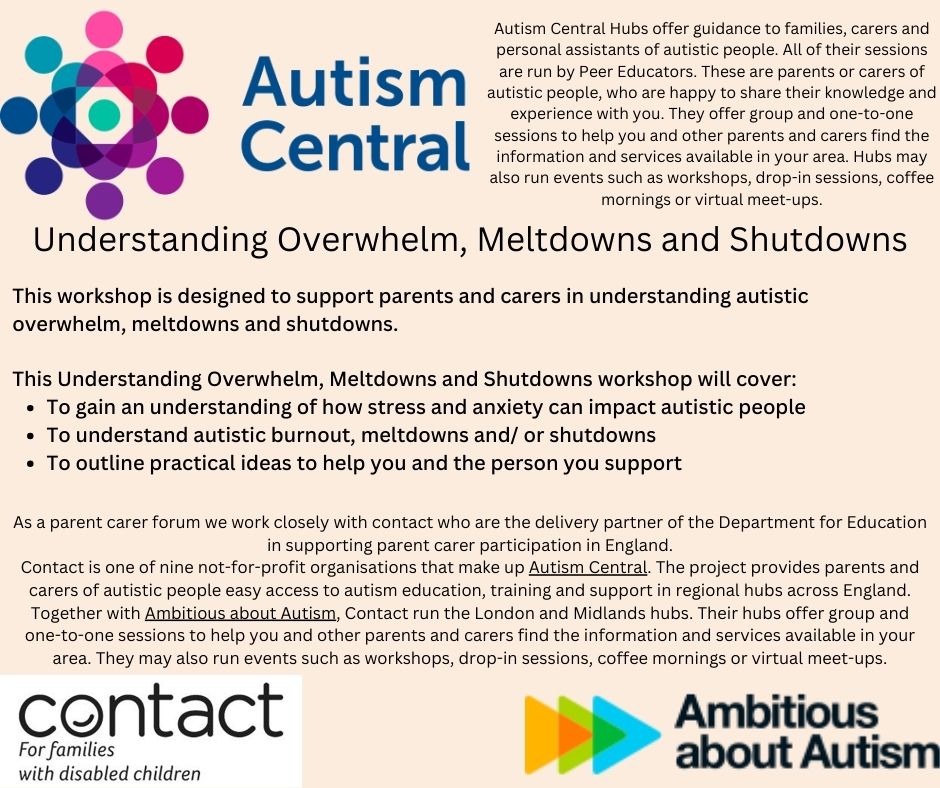
In the realm of autism spectrum disorder (ASD), the phenomena of meltdowns and shutdowns present as two distinct yet often conflated responses to overwhelming situations. These reactions, while outwardly similar in their manifestation of distress, arise from fundamentally different psychological and neurological processes. Understanding these differences is not merely an academic exercise; it serves as a cornerstone in fostering empathy, improving communication, and creating supportive environments for individuals with autism.
The Observable Differences: Meltdowns Versus Shutdowns
At first glance, meltdowns and shutdowns might appear as two sides of the same coin—both indicative of distress and sensory overload. However, the outward behaviors and internal experiences are markedly different.
A meltdown typically erupts as an intense, often explosive display of emotions. It may include crying, yelling, throwing objects, or aggressive behavior. This reaction is a crescendo of sensory and emotional overload, where the individual’s nervous system has reached a critical threshold. It is a visceral, outward expression of frustration and helplessness.
Shutdowns, conversely, manifest through withdrawal and silence. Instead of an outburst, the individual may become unresponsive, stare blankly, or retreat into themselves. This response resembles a system overload that opts for preservation through disengagement rather than outward expression.

Neurological Underpinnings: Why the Divergence?
The divergence between meltdowns and shutdowns is deeply rooted in the neurobiology of stress and sensory processing. Autism often involves atypical sensory integration, which means stimuli that seem benign to many can become intolerable.
Meltdowns represent a hyperarousal state, driven by the sympathetic nervous system—the ‘fight or flight’ response. Here, sensory stimuli flood the brain, overwhelming its ability to self-regulate, triggering an outpouring of intense emotions. Imagine a dam breaking under pressure; the floodgates open as a method of release.
Shutdowns, in contrast, correlate with hypoarousal, where the individual’s nervous system enters a state akin to ‘freeze’ or ‘collapse.’ The parasympathetic nervous system dominates, leading to a withdrawal that is almost dissociative—a protective mechanism to conserve energy and reduce incoming stimuli when the external world becomes too unbearable to negotiate actively.
Common Triggers and Environmental Factors
Both meltdowns and shutdowns are precipitated by environmental and emotional triggers, though they often differ in character and intensity. Sensory overload—be it from bright lights, loud noises, or chaotic surroundings—is a frequent catalyst for both reactions. However, the subjective interpretation and internal coping resources shape which response emerges.
Emotional stressors, such as social misunderstandings or perceived failures, can further intensify vulnerability. Sometimes, what appears trivial externally can precipitate a profound internal crisis, illuminating the nuanced ways individuals with autism interface with the world. The anticipation of an event, changes in routine, or even cumulative daily stress may act as a ticking time bomb.
Communication Challenges and Misinterpretations
One of the most profound challenges with meltdowns and shutdowns lies in their interpretation by caregivers, educators, and peers. Meltdowns, due to their noisy and visible nature, are often misread as intentional misbehavior or defiance, leading to punitive measures that exacerbate distress rather than alleviate it.
Shutdowns, being quiet and less conspicuous, risk being misunderstood as compliance, stubbornness, or lack of interest. These misinterpretations fail to recognize the acute distress simmering beneath a seemingly calm exterior, often resulting in insufficient support or erroneous assumptions about the individual’s capabilities and desires.
Strategies for Support: Navigating Complex Responses
Addressing meltdowns and shutdowns effectively requires a nuanced approach that embraces the individuality of each person’s neurodivergence. The goal is not to eliminate these reactions—indeed, they serve vital roles in self-regulation—but to minimize triggers and develop coping strategies.
For meltdowns, creating predictable routines, providing calm and safe spaces, and avoiding escalation by maintaining a nonjudgmental presence can be critical. Visual schedules, sensory tools (such as noise-canceling headphones), and de-escalation techniques may also help proactively manage sensory input before reaching the breaking point.
During shutdowns, the focus shifts to gentle re-engagement, respecting the individual’s need for solitude or sensory respite. Encouraging alternative communication methods, such as picture exchange systems or assistive technology, can help bridge the gap when verbal communication falters. Patience and attunement become powerful tools for caregivers navigating these quieter but equally profound moments of distress.

The Fascination with Understanding
The keen interest in delineating meltdowns from shutdowns stems from a desire to penetrate beyond superficial behaviors to the rich, complex internal landscape of those with autism. These episodes lay bare the silent struggles of sensory integration, emotional regulation, and communication barriers. There is a deeper human story—one of resilience, vulnerability, and the quest for understanding—that captivates caregivers, educators, and researchers alike.
This fascination is perhaps a reflection of a broader yearning within humanity to comprehend difference not as deficit but as an alternate mode of experiencing and processing the world. In unraveling the intricate tapestry of meltdowns and shutdowns, we edge closer to a more empathetic society—one that acknowledges and accommodates the full spectrum of human neurodiversity.
Conclusion: Toward Compassionate Awareness
Meltdowns and shutdowns, though often perceived as mere disruptions, invite us to acknowledge the profound sensory and emotional realities faced by individuals with autism. Recognizing the distinct nature of each response enhances our capacity for compassionate support, moving beyond reaction towards understanding and proactive intervention.
The deeper integration of this knowledge within educational, familial, and clinical frameworks promises not only to mitigate distress but also to empower those navigating these challenges. It is through this lens of awareness and respect that we can transform moments of overwhelm into opportunities for connection and growth.