Establishing predictable routines is paramount in supporting the developmental trajectory of autistic children. The consistency and structure these routines provide serve as anchors in an often overwhelming sensory and social environment. Developing these frameworks requires an understanding of the multifaceted benefits routines provide, along with practical strategies for implementation. This discussion delves into the intricacies of creating predictable routines, illuminating their significance through diverse perspectives and actionable insights.
Understanding the Importance of Predictable Routines
Predictable routines act as cognitive scaffolds for autistic children, facilitating a sense of security and reducing anxiety. Their neurological processing differences mean that unexpected changes or ambiguous circumstances can precipitate distress or behavioral challenges. Within structured routines, children can develop anticipatory skills, recognizing the sequence of activities and preparing mentally for each transition.
Beyond emotional regulation, routines bolster executive functioning by reinforcing temporal awareness and sequencing ability. These benefits extend into various domains, including communication, social interaction, and academic engagement, highlighting why predictability is not merely a comfort but a critical developmental conduit.
Types of Predictable Routines to Implement
Routines can be segmented into several categories that collectively nurture stability in a child’s day:
- Morning Routines: Starting the day with established rituals—such as waking, hygiene, dressing, and breakfast—grounds the child, setting the tone for forthcoming tasks.
- Transition Routines: Transitions between activities or environments often pose challenges. Implementing consistent cues, whether visual or verbal, prepares the child for change, mitigating resistance or anxiety.
- Educational Routines: Within learning settings, predictable schedules, such as a visual timetable, demarcate lesson segments and breaks, fostering independence and concentration.
- Evening Routines: Calming rituals preceding bedtime—reading, quiet time, or specific hygiene steps—assist with the regulation of circadian rhythms and contribute to restorative sleep.

Utilizing Visual Supports and Schedules
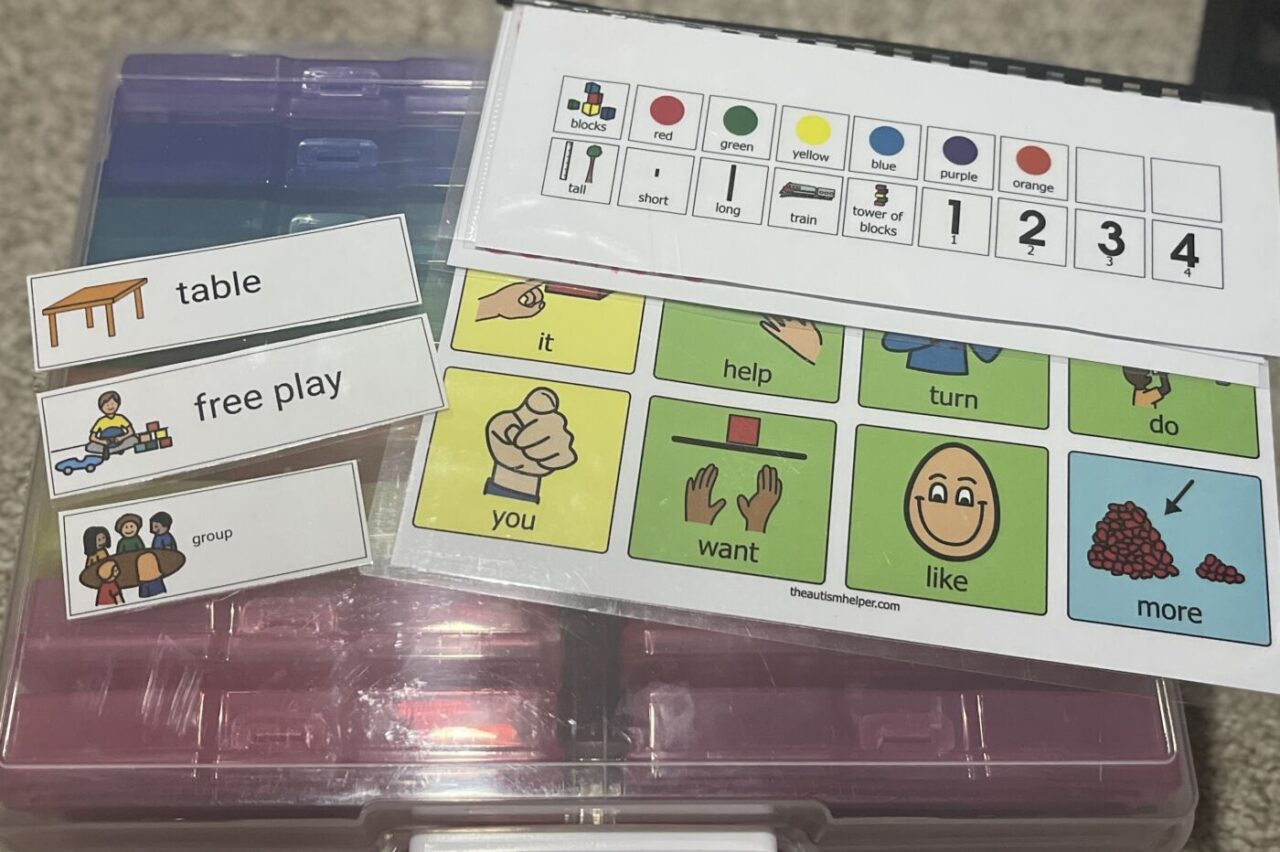
One of the most efficacious tools for ensuring routine predictability is the employment of visual supports. Autistic children often process visual information more efficiently than auditory cues, making visual timetables or charts indispensable. These aids concretize abstract concepts like time and sequence, translating them into tangible, digestible steps.
Visual schedules may include images, icons, or written words depending on the child’s comprehension level. The objective is to provide a clear, accessible depiction of daily events, allowing children to anticipate and prepare for each phase of their day. Moreover, pairing visual supports with consistent verbal prompts can enhance reinforcement.

Incorporating Flexibility within Structure
While predictability is crucial, an overly rigid routine can inadvertently lead to stress when deviations are unavoidable. Cultivating a balance involves integrating measured flexibility within the routine framework. This may involve designated “choice times” where the child selects the activity or incorporating contingency plans for unexpected changes.
Teaching coping mechanisms and resilience within the context of routine variability empowers children to navigate life’s unpredictability with greater ease. Strategies such as visual cues indicating possible changes, or social stories explaining variations, reduce uncertainty and build adaptive capacities.
Collaborating with Families and Educators
Consistency between home and educational environments magnifies the efficacy of predictable routines. Collaborative communication among caregivers, therapists, and educators ensures that routines are seamlessly integrated across all settings. This alignment helps solidify expectations and promotes generalization of skills.
Regular meetings to discuss routine implementation, observe child responses, and adjust plans foster a dynamic, responsive approach. Empowering families with resources and training further embeds predictability into the child’s ecosystem, creating a cohesive support network.
Monitoring Progress and Adjusting Routines
Establishing routines is an iterative process rather than a static one. Continuous observation and assessment enable caregivers to identify elements of the routine that are successful and those requiring modification. Progress monitoring can employ behavioral data, emotional check-ins, and skill acquisition tracking.
Adapting routines to reflect a child’s evolving needs ensures sustained relevance and engagement. Whether expanding abbreviations within the routine, integrating new skills, or simplifying steps during high-stress periods, responsiveness to the child’s development and preferences is paramount.

The Broader Impact of Predictable Routines
Beyond the immediate management of daily activities, well-crafted routines nurture a child’s autonomy and self-confidence. As independence grows through mastery of predictable sequences, children develop stronger executive functioning and problem-solving capabilities. This empowerment cascades into improved social interactions, academic success, and overall quality of life.
Moreover, families often experience reduced stress and enhanced relational dynamics. Knowing what to expect and when reduces friction, enhances cooperation, and fosters trust. The predictability extends its benefits symbiotically, creating a harmonious environment conducive to growth.
Creating predictable routines for autistic children involves a delicate interplay of structure, flexibility, collaboration, and ongoing refinement. It is both an art and a science, requiring attentiveness to individual needs and a commitment to nurturing stability amidst inherent variability. When thoughtfully implemented, these routines become foundational pillars supporting a child’s navigation of their world with confidence and resilience.