Autism and burnout represent a complex, oft-overlooked intersection in neurodivergent experiences. Many observe that individuals on the spectrum frequently encounter phases of profound exhaustion, yet the underlying mechanisms and manifestations remain inadequately understood by both medical professionals and society at large. Delving into this phenomenon reveals not only a pervasive issue but also a kaleidoscope of cognitive, emotional, and sensory factors that conspire to culminate in burnout. The fascination with autism burnout lies in its dichotomous nature—while it is debilitating, it simultaneously illuminates the exquisite sensitivities and adaptive burdens carried by autistic individuals.
Understanding Autism Burnout: More Than Just Fatigue
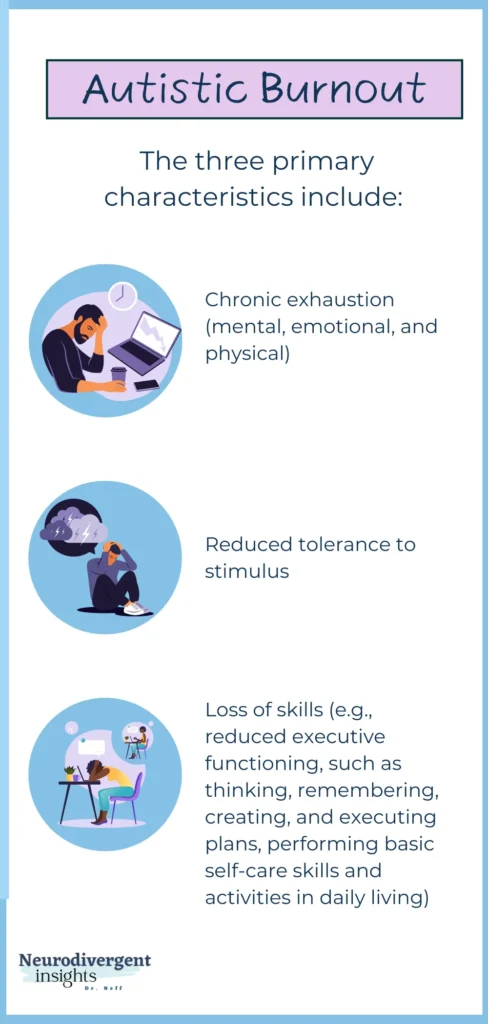
Autism burnout transcends simple tiredness; it is an incurable state of exhaustion interwoven with diminished cognitive capacity and emotional dysregulation. Distinguished from ordinary fatigue, this form of burnout emerges from chronic sensory overload, sustained social pressures, and the persistent demands of masking or camouflaging autistic traits. The term masking refers to the strategic suppression or alteration of natural behaviors in order to assimilate within neurotypical norms, a practice that exacts tremendous psychological toll.
What exacerbates this condition is its insidious onset and the multifactorial nature of triggers. Unlike burnout in generalized contexts, autism burnout stems from cumulative microstressors that assault the nervous system incessantly. These microstressors include relentless sensory bombardment—such as harsh lighting, discordant sounds, or unpredictable social interactions—and the emotional labor involved in interpreting ambiguous social cues. The brain’s regulatory systems become overwhelmed, leading to a cascade of effects including cognitive fog, acute anxiety, and a poignant sense of detachment from one’s environment.
The Intricacies of Sensory Overload and Emotional Exhaustion
Sensory processing differences are fundamental to the autistic experience, often acting as the fulcrum on which burnout pivots. Environments that neurotypical individuals navigate effortlessly can present relentless stimuli to someone on the spectrum. This hypersensitivity means that seemingly innocuous sensations accumulate, taxing the energy reserves rigorously.
Emotional exhaustion accompanies sensory overload, blurring the boundaries between irritability, sadness, and anxiety. For example, the cognizance that one must perpetually exert effort not only to function but also to “pass” as neurotypical generates a pernicious internal conflict. This constant cognitive dissonance amplifies the emotional weight, creating a feedback loop that intensifies burnout symptoms.
The Role of Social Dynamics in Catalyzing Burnout
Social interaction forms another precipitous precipice leading to burnout. Many autistic individuals experience social exhaustion as a consequence of decoding complex social landscapes filled with unspoken rules and subtle nuances. The unremitting necessity to maintain social masking can lead to profound alienation and depletion.
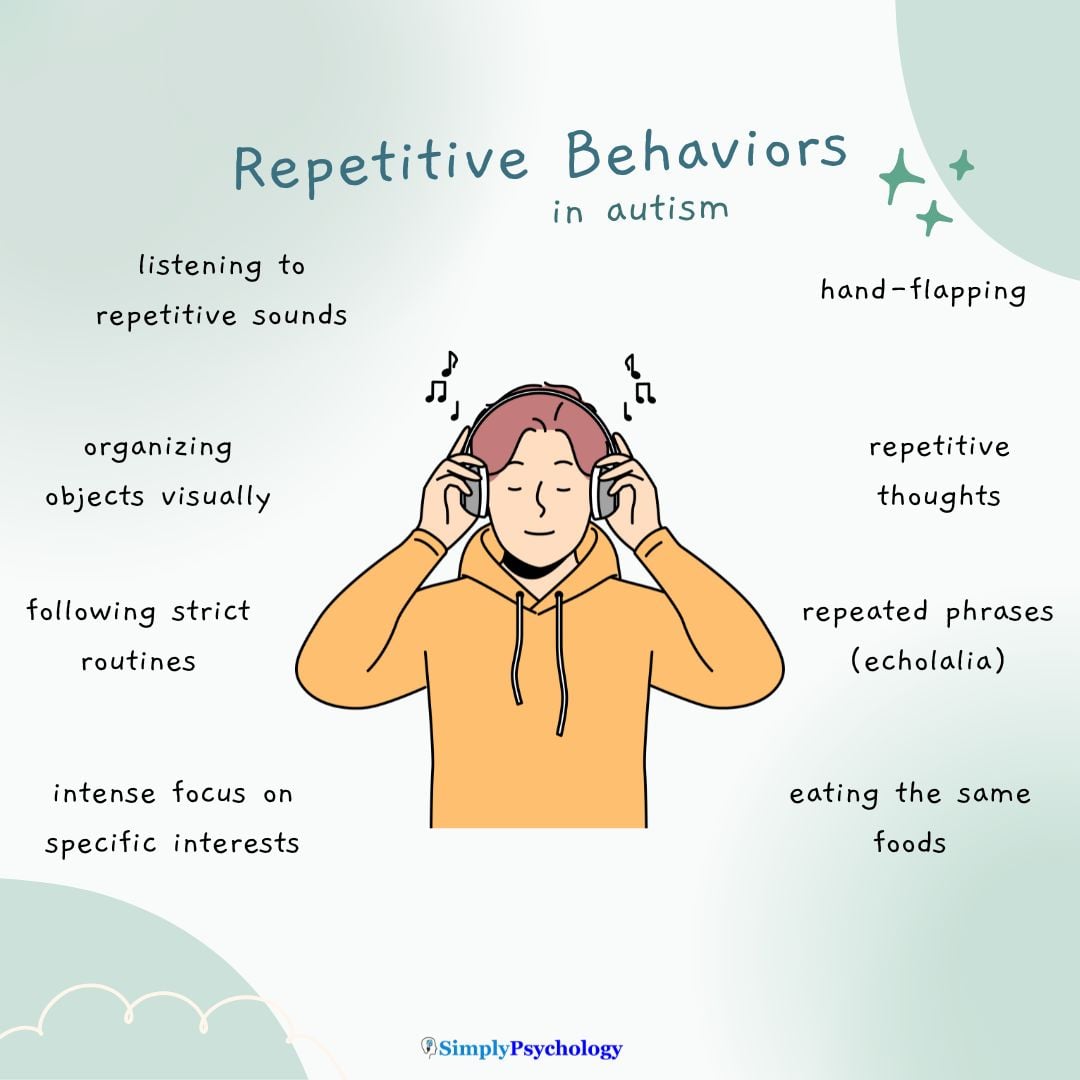
Compounding this is the societal expectation to conform, which pressures autistic people to suppress intrinsic behaviors such as stimming or seeking solitude when overwhelmed. The resultant incongruence between inner needs and external demands precipitates a dissonant internal state, which over time culminates in burnout. The chronic tension of navigating between authenticity and acceptance exacts an emotional price that is frequently overlooked.
Recognizing the Signs: Early Warnings and Advanced Symptoms
Recognition is critical in addressing autism burnout—early warnings are subtle yet profound. Initial symptoms often manifest as increased irritability, the withdrawal from previously enjoyed activities, and a notable decline in executive function such as difficulty concentrating or organizing thoughts. Sensory sensitivities may intensify, and social interactions often feel more taxing.
If unaddressed, these symptoms evolve into more severe manifestations including complete loss of skills or “regression,” profound apathy, and in extreme cases, the loss of ability to communicate effectively. Such outcomes underscore the urgency of not only identifying burnout early but also implementing sustainable coping strategies.
Strategies for Coping and Recovery
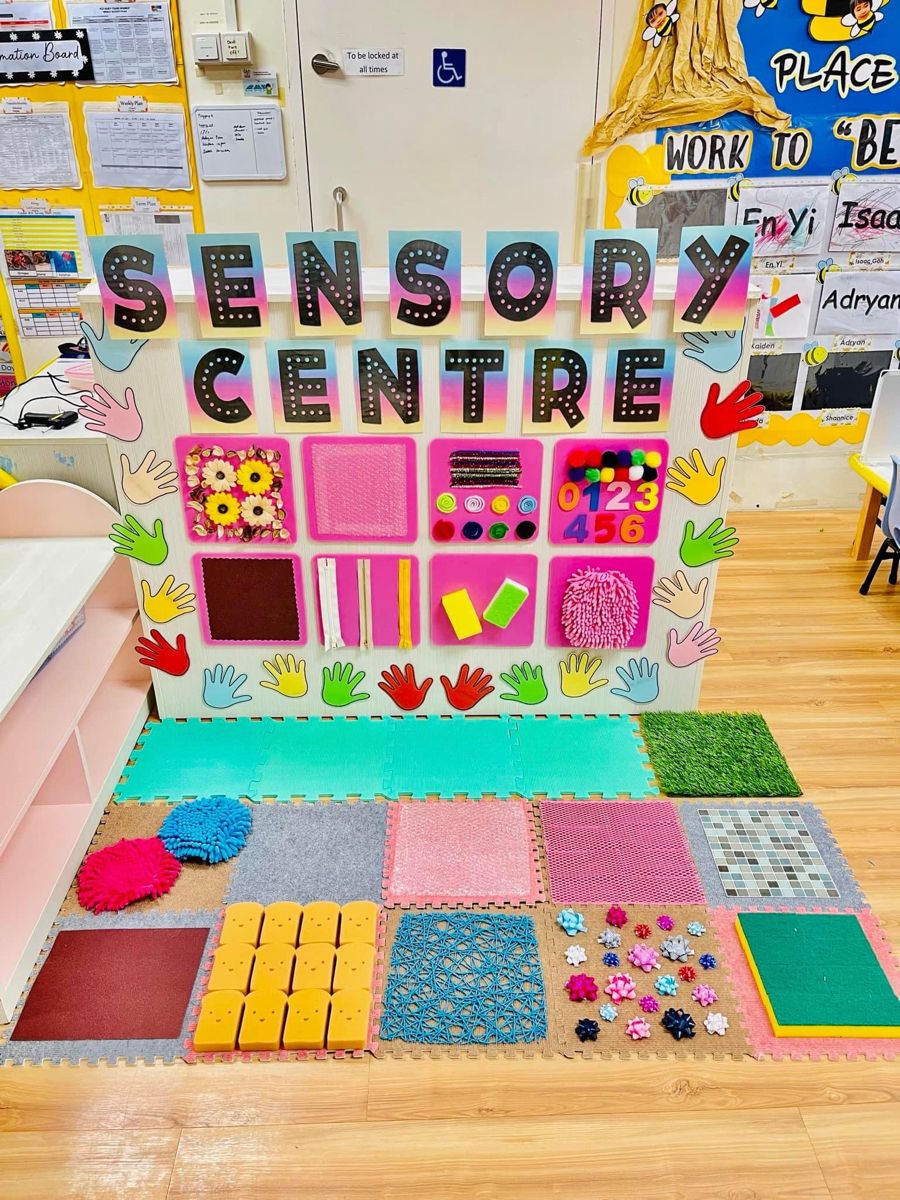
The multifaceted etiology of autism burnout necessitates an equally layered approach to recovery. Central to this is the recognition and respect for sensory and emotional thresholds. This involves creating environments—both physical and social—that minimize unnecessary stimuli. Practical accommodations might include the use of noise-cancelling devices, controlled lighting, and the provision of safe spaces for retreat.
Moreover, embracing self-advocacy and dismantling the imperative to mask can be liberating. Cultivating communities where autistic individuals are accepted in their authentic expressions mitigates the internal conflict that fuels burnout. Engaging in regulated rest, establishing predictable routines, and integrating sensory-friendly activities are pivotal.

Professional support is also an essential component. Trauma-informed therapy and occupational therapy that respects sensory profiles provide frameworks for rebuilding resilience. These interventions help recalibrate the nervous system and improve emotional regulation.
Navigating Society’s Role in Mitigating Burnout
Society’s role cannot be understated. The structural and attitudinal modifications necessary to alleviate burnout must extend beyond individual efforts. Educational settings, workplaces, and public venues must evolve to accommodate neurodiversity meaningfully. This includes dissemination of awareness about autism burnout, flexible accommodations, and the dismantling of stigmatizing attitudes.
When societal constructs shift toward inclusivity, the energy tax imposed on autistic individuals lessens, fostering improved quality of life and reducing burnout incidence. Ultimately, the goal is to craft a world where neurodivergent individuals can thrive without enduring perpetual depletion.
Conclusion: A Path Toward Understanding and Empathy
The phenomenon of autism burnout reveals profound truths about the human condition, resilience, and the hidden struggles beneath external comportment. It challenges preconceived notions about endurance and capability while highlighting the imperative for empathy and structural change. Understanding why burnout occurs and how to cope with it demands a holistic appreciation of sensory, social, and emotional intricacies.
Greater awareness, coupled with meaningful societal adaptations and personalized strategies, can transform the narrative from one of silent suffering to one of empowered support and acceptance. Autism burnout is not merely a condition to be managed but a clarion call highlighting the necessity for deeper compassion and systemic evolution.