Recognizing autism spectrum disorder (ASD) at its earliest stages holds profound significance for fostering developmental support and intervention. In the formative months of life, subtle indications often weave a complex tapestry of behaviors and responses, providing critical insight into the evolving neurology of the infant. These early markers, though sometimes elusive, are instrumental in setting the course for timely intervention and optimizing developmental outcomes.
Understanding Early Behavioral Indicators
The initial signs of autism in babies frequently manifest through atypical social interactions and communication patterns. One of the quintessential indicators is a diminished response to social stimuli. For instance, many infants who later receive an autism diagnosis may not consistently engage in reciprocal smiling or eye contact, a foundational element of early social bonding. The absence of such engagements may appear innocuous, yet this divergence from typical developmental milestones signals a potential neurodevelopmental divergence that warrants attention.
Additionally, delays or deviations in babbling and other preverbal vocalizations emerge as salient early signs. While most infants begin to experiment with varied sounds and pitches by six months, those on the spectrum may show a reduction or absence in these vocal explorations. This paucity in vocal communication reflects underlying differences in social intent and cognitive processing.
Nonverbal Communication Challenges
Nonverbal cues are critical for infants as they navigate their environment and form attachments. Babies exhibiting autism may display a subdued use of gestures such as pointing, waving, or reaching to share interest or needs. This diminishment in joint attention—a shared focus on an object or event—can create a ripple effect on language acquisition and social development.
Moreover, atypical facial expressions, limited responsiveness to their own name, or an apparent preference for solitary play emerge as telltale signs. These behavioral nuances often coalesce into a pattern that differentiates typical developmental trajectories from those suggesting autism.
Repetitive and Restricted Behaviors
Autism in infancy can also be characterized by the presence of stereotyped or repetitive movements. These might include hand flapping, finger flicking, or persistent rocking. Such motor patterns, while occasionally harmless in typically developing babies, assume heightened prevalence and intensity in those showing early signs of autism.
Additionally, a fascination with specific objects, especially those involving spinning or turning mechanisms, may indicate a predilection toward restricted interests. This intense focus can overshadow engagement with people or other stimuli, hinting at the emerging contours of autism-related behaviors.
Sensory Processing Variations
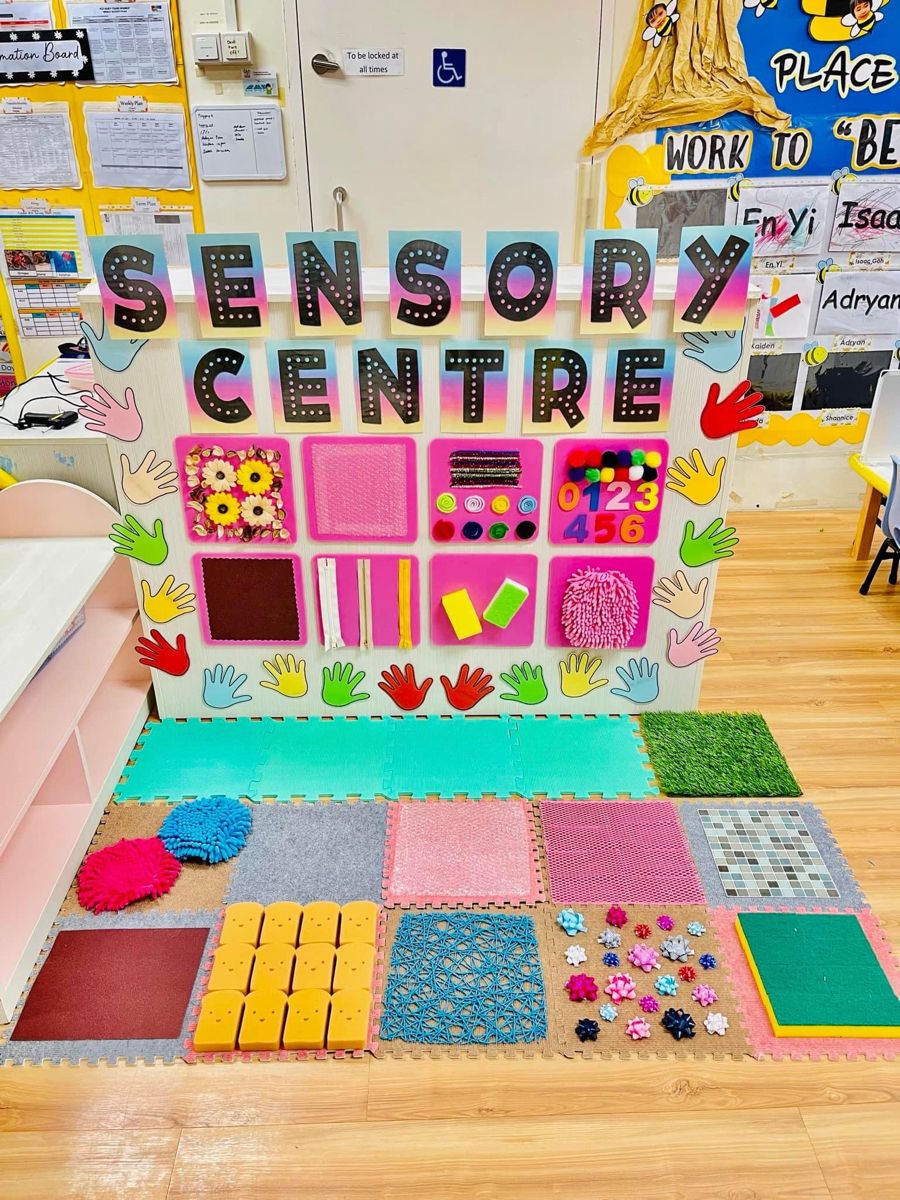
Sensory sensitivities often accompany autism and can manifest early in infancy. These variations may include hypersensitivity or hyposensitivity to tactile stimuli—the way a baby reacts to touch, textures, or even clothing. Some infants may exhibit distress to certain sounds or visual stimuli, while others seem indifferent to pain or temperature extremes.
For example, a baby might recoil from light touches that typically comfort others or appear unbothered by loud noises that usually provoke startle responses. These sensory processing discrepancies can profoundly influence behavior and interaction, complicating early social communication.
The Importance of Developmental Screening
Given the heterogeneity of autism’s presentation, regular developmental screenings become indispensable tools in early detection. Pediatric healthcare providers often employ standardized checklists to evaluate milestones related to speech, social behavior, and motor skills. Observations made during routine visits can highlight red flags that merit deeper assessment.
Early intervention programs, tailored to a child’s unique profile, leverage these screenings to design supports that enhance communication, social competence, and adaptive behaviors. The earlier these interventions are initiated, the greater the potential to harness neuroplasticity during critical developmental windows.
Parental Observations and Intuition
Parents and caregivers invariably serve as the most attuned observers of their child’s behavior. Sensitivity to subtle changes or inconsistencies in development often prompts the initial inquiries that lead to autism evaluations. Trusting parental intuition, therefore, plays a vital role in precipitating timely assessments.
Caregivers might notice a lack of typical bonding behaviors, prolonged periods of inactivity, or unusual repetitive actions that deviate from family or cultural norms. Encouraging open dialogue with healthcare professionals regarding these observations ensures that concerns are validly addressed and appropriately managed.

Variability and the Spectrum Nature of Autism
Autism is not a monolithic diagnosis but a spectrum encompassing a broad range of abilities and challenges. Consequently, the first signs may vary widely between infants. Some may demonstrate profound social communication deficits, while others exhibit milder symptoms predominantly within sensory or repetitive behavior domains.
This diversity underscores the necessity for a comprehensive understanding and individualized approach. It also emphasizes that while early signs are critical, they represent part of a complex developmental narrative best interpreted by specialists within a multidisciplinary framework.
Encouraging Positive Developmental Outcomes
Recognizing the initial indicators of autism allows parents and professionals to embark on a path of supportive intervention. Early behavioral therapies focus on strengthening communication skills, enhancing social interactions, and mitigating sensory sensitivities. These tailored interventions can promote meaningful progress and significantly improve quality of life.
Importantly, supportive environments that validate each child’s unique cognitive and emotional world foster resilience and self-expression. Empowering families with resources and strategies helps nurture a foundation upon which growth and development can flourish.
In sum, vigilance regarding the early signs of autism in babies serves as a linchpin in the journey toward understanding and support. The constellation of behavioral, communicative, and sensory markers offers invaluable clues, guiding caregivers and professionals alike. Through early awareness and intervention, children on the spectrum can be afforded the opportunity to thrive within a compassionate and responsive milieu.