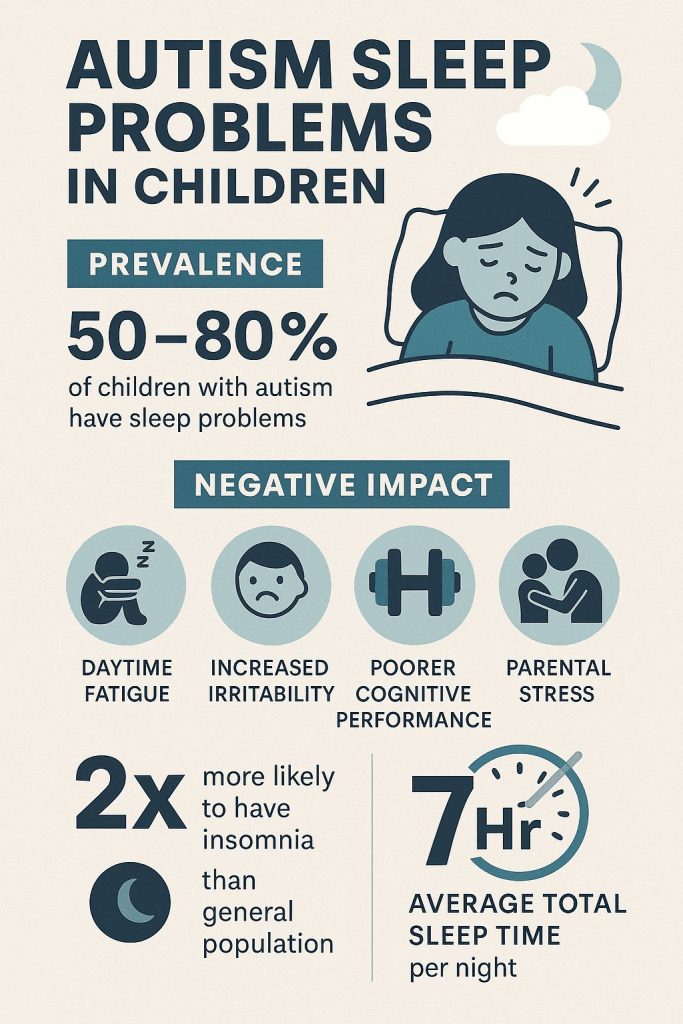
Sleep challenges are a prevalent concern for many parents of children on the autism spectrum. These difficulties can range from trouble falling asleep to frequent nighttime awakenings, which profoundly impact a child’s daily functioning and the family’s overall well-being. Navigating this complex landscape requires a multifaceted approach tailored to the unique needs of autistic children. This article delves into practical strategies, insightful guidance, and evidence-based interventions that can help transform bedtime into a more peaceful and restorative experience.
Understanding the Nature of Sleep Issues in Autistic Children
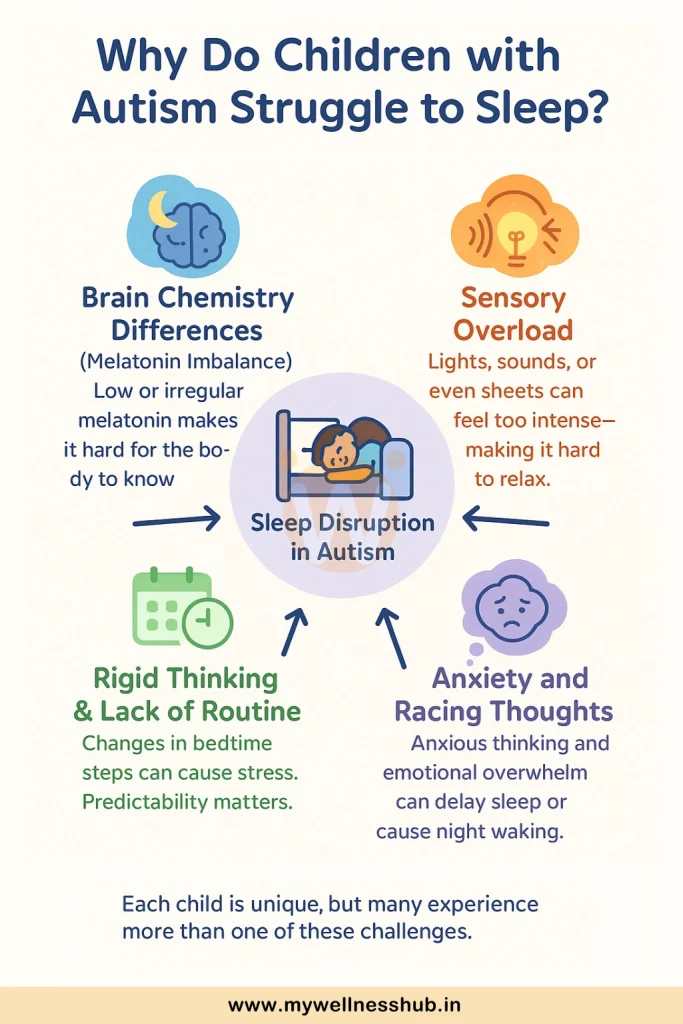
Sleep disturbances in autistic children are frequently rooted in neurobiological variations that influence circadian rhythms and sensory processing. This often manifests as difficulty initiating sleep, reduced total sleep time, and fragmented sleep patterns. Recognizing that these issues are not merely behavioral but often entwined with sensory sensitivities and anxiety is crucial. For instance, hypersensitivity to light, sound, or tactile stimuli can make the sleep environment overwhelming, leading to restlessness or refusal to go to bed.

Moreover, many children on the spectrum experience co-occurring conditions such as gastrointestinal distress or epilepsy, which further complicate sleep quality. Understanding these underlying factors lays the foundation for effective intervention.
Creating a Sensory-Friendly Sleep Environment
One of the most impactful steps towards alleviating sleep difficulties is optimizing the sleeping environment. This involves meticulously curating a space that minimizes sensory overload and promotes relaxation. Consider blackout curtains to block intrusive light, white noise machines or soft ambient sounds to mask environmental noise, and bedding that is comfortable but not irritating to sensitive skin.
Soft textures and weighted blankets, for instance, can provide proprioceptive input that is soothing and grounding for many autistic individuals. However, it’s imperative to observe the child’s preferences carefully, as sensory sensitivities vary widely. For some, weighted items may cause discomfort rather than comfort.
Establishing Predictable and Consistent Bedtime Routines
Consistency serves as a pillar in fostering better sleep hygiene. Autistic children often thrive on routine, which imparts a sense of security and predictability. Establishing a ritualized bedtime sequence—such as dimming lights, a calming bath, brushing teeth, followed by reading a favorite story—can signal the transition from wakefulness to sleep.
Visual schedules or social stories detailing bedtime activities can enhance comprehension and compliance. These visual aids reduce uncertainty, thereby alleviating anxiety associated with transitions. It’s beneficial to maintain identical timing for bedtime and wake time even on weekends, as irregular schedules disrupt circadian cues.
Addressing Anxiety and Emotional Activation
For many autistic children, anxiety plays a formidable role in sleep disruption. Nighttime can magnify worries or create an environment ripe for rumination and heightened sensory perception. Techniques that promote relaxation and emotional regulation prior to sleep can be invaluable.
Calming practices may include deep breathing exercises, guided imagery, or gentle yoga stretches. Additionally, cognitive behavioral approaches adapted for children can help develop coping strategies surrounding bedtime fears or nighttime awakenings. Often, parents benefit from collaborating with therapists who specialize in anxiety management within the autism population.
Nutritional and Lifestyle Considerations
What a child consumes and their daily routine significantly influence their sleep architecture. Limiting caffeine and sugar intake, especially in the hours preceding bedtime, is a foundational prescription. Some families find that introducing a small, protein-rich snack before bed helps stabilize blood sugar and facilitates sleep initiation.
Physical activity during the day, tailored to the child’s tolerance and interests, supports natural circadian rhythm regulation. However, vigorous exercise immediately before bedtime should be avoided, as elevated adrenaline can prolong alertness.
Exploring Therapeutic and Medical Interventions
In cases where behavioral and environmental modifications fall short, therapeutic interventions may be warranted. Occupational therapy focusing on sensory integration techniques can mitigate hypersensitivities interfering with sleep.
Pharmacological options are generally considered a last resort but may include melatonin supplements, which have shown efficacy in promoting sleep onset in autistic children. These should always be administered under careful medical supervision, as dosing and timing are critical factors. Continuous monitoring helps prevent undue side effects and assess impact.
Utilizing Technology and Assistive Tools
Innovative technology offers additional avenues to support sleep. For example, apps designed with sensory-friendly sounds or twilight light settings can gently coax circadian rhythms towards natural sleep cycles. Sleep trackers adapted for children provide valuable feedback on sleep duration and quality, enabling caregivers to identify patterns and triggers.
Of note, excessive screen time, especially before bedtime, can hinder melatonin production due to blue light exposure. Implementing screen curfews and utilizing blue light filters can mitigate these effects.
Empowering Parents Through Education and Support
Parents and caregivers are central to any intervention’s success. Empowerment through knowledge about autism-specific sleep challenges and available resources fosters confidence and resilience. Connecting with support networks, whether local or online, provides not only emotional sustenance but also practical tips from families facing similar hurdles.
Engaging with healthcare professionals—pediatricians, sleep specialists, and behavioral therapists—creates a collaborative framework that ensures interventions are comprehensive and responsive to evolving needs.
Monitoring Progress and Adapting Strategies
Addressing sleep issues is rarely a linear process. What works today may require adjustment tomorrow. Keeping a detailed sleep diary, noting bedtime routines, environmental changes, and responses to interventions can illuminate what facilitates or impedes progress.
Patience and perseverance are essential virtues. Incremental improvements should be celebrated, and flexibility practiced to meet the shifting dynamics inherent in childhood development and autism spectrum variations.
Ultimately, helping an autistic child with sleep issues demands an individualized, compassionate approach. Through thoughtful environmental modifications, consistent routines, addressing anxiety, and utilizing targeted therapies, restful sleep becomes an attainable goal. By fostering a nurturing bedtime experience, parents can unlock not only better nights but also brighter days filled with improved mood, attention, and overall quality of life.