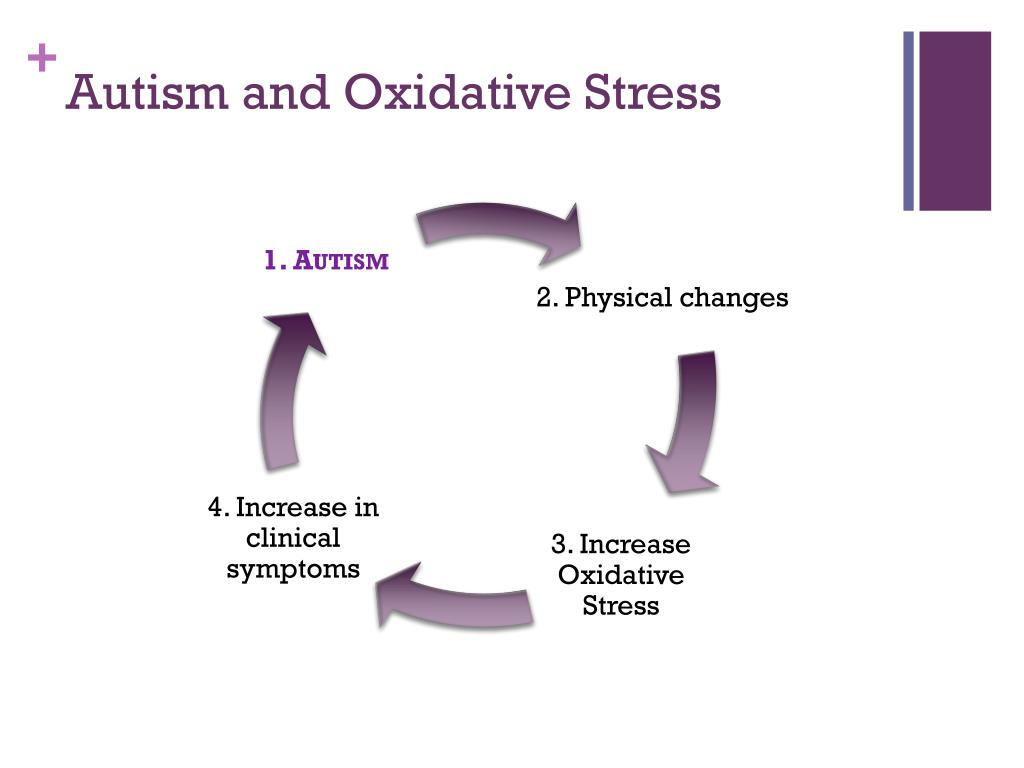
Oxidative stress, a silent disruptor of cellular harmony, casts a long shadow over neurological health, particularly in the context of autism spectrum disorder (ASD). The intricate dance between free radicals and antioxidants within the brain can tilt dangerously out of balance, leaving neurons vulnerable to damage. For individuals with autism, this imbalance may exacerbate cognitive and behavioral challenges, making the interplay between oxidative stress and brain health a critical frontier in therapeutic exploration. Antioxidants, those molecular guardians, emerge as potential allies in restoring equilibrium, offering a glimmer of hope in an otherwise complex neurodevelopmental landscape.
Understanding the mechanisms behind oxidative stress in autism requires peeling back layers of biological complexity. The brain, a metabolic powerhouse, generates reactive oxygen species (ROS) as byproducts of its relentless activity. Normally, antioxidants neutralize these ROS, but in autism, this defense system may falter, allowing oxidative damage to accumulate. Mitochondrial dysfunction, a hallmark of ASD, further fuels this fire, as impaired energy production exacerbates ROS generation. The result? A cascade of cellular stress that could influence synaptic plasticity, neurotransmitter function, and overall brain connectivity.
This article delves into the multifaceted relationship between autism and oxidative stress, illuminating the role of antioxidants in safeguarding brain health. From the biochemical underpinnings to practical interventions, we explore how nurturing the body’s antioxidant defenses might offer a pathway to improved outcomes for individuals with autism.
The Biochemical Tapestry: How Oxidative Stress Unravels in Autism
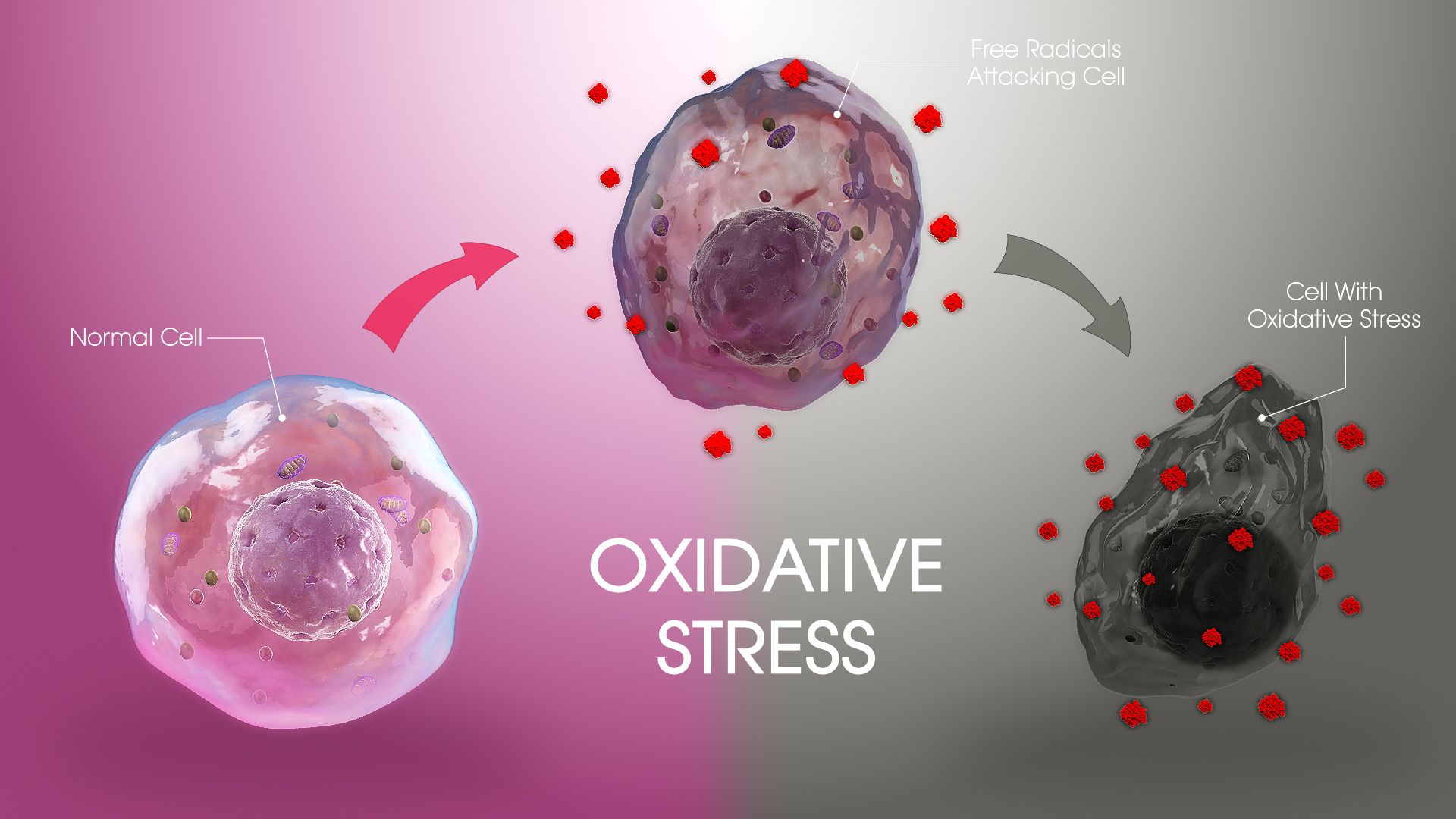
At the heart of oxidative stress lies a paradox: the very molecules that sustain life can, when unchecked, become agents of destruction. Reactive oxygen species (ROS), including superoxide, hydrogen peroxide, and hydroxyl radicals, are natural byproducts of cellular respiration. In a healthy brain, antioxidants like glutathione, superoxide dismutase (SOD), and catalase act as vigilant sentinels, neutralizing ROS before they inflict harm. However, in autism, this delicate balance often tilts toward oxidative overload.
Research suggests that individuals with ASD frequently exhibit elevated levels of oxidative markers, such as lipid peroxidation and protein carbonylation, alongside depleted antioxidant reserves. This imbalance may stem from genetic predispositions, environmental triggers, or a combination of both. For instance, mutations in genes encoding antioxidant enzymes, such as GSTM1 or SOD2, can impair ROS detoxification, leaving neurons particularly susceptible to damage. Additionally, chronic inflammation—a common feature in autism—further amplifies oxidative stress, creating a vicious cycle of cellular distress.
Mitochondrial dysfunction, another critical player in this narrative, exacerbates the problem. Mitochondria, the cellular powerhouses, are both producers and targets of ROS. In autism, mitochondrial inefficiencies can lead to excessive ROS generation, while simultaneously reducing the cell’s capacity to repair oxidative damage. This dual assault undermines neuronal resilience, potentially contributing to the behavioral and cognitive challenges observed in ASD.
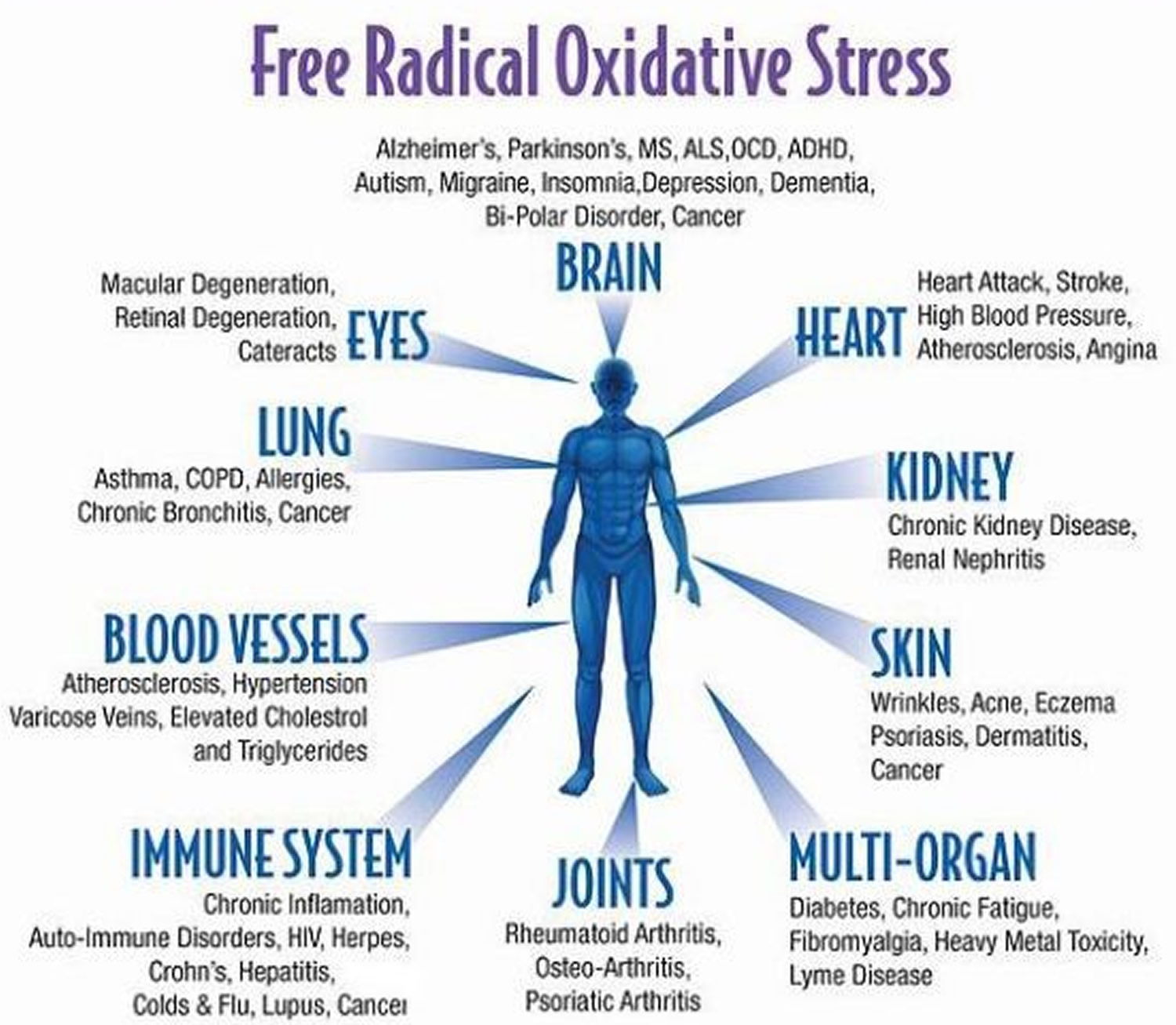
Antioxidants: The Brain’s Unsung Heroes
Antioxidants, the biochemical equivalents of a well-trained SWAT team, are the brain’s primary defense against oxidative stress. They operate through diverse mechanisms, from directly scavenging ROS to repairing damaged molecules and modulating cellular signaling pathways. In the context of autism, certain antioxidants have garnered particular attention for their potential therapeutic benefits.
Glutathione, often hailed as the master antioxidant, plays a pivotal role in maintaining redox balance. Its depletion is a recurring theme in autism, with studies linking low glutathione levels to increased oxidative damage and mitochondrial dysfunction. Supplementing with precursors like N-acetylcysteine (NAC) has shown promise in restoring glutathione levels, thereby mitigating oxidative stress. Similarly, superoxide dismutase (SOD) and catalase, enzymes that neutralize superoxide and hydrogen peroxide respectively, offer additional layers of protection. Research indicates that enhancing SOD activity may improve mitochondrial function and reduce neuroinflammation in ASD.
Beyond these endogenous antioxidants, dietary sources rich in polyphenols, flavonoids, and carotenoids provide exogenous reinforcements. Compounds like resveratrol, found in grapes and berries, and curcumin, the golden spice derived from turmeric, exhibit potent anti-inflammatory and antioxidant properties. Their ability to cross the blood-brain barrier makes them particularly valuable in targeting neural oxidative stress. Omega-3 fatty acids, another dietary staple, not only quench ROS but also support synaptic plasticity, a critical factor in cognitive development.
However, the efficacy of antioxidants in autism is not a one-size-fits-all proposition. Individual variability in genetic makeup, metabolic profiles, and environmental exposures means that responses to antioxidant interventions can differ widely. Personalized approaches, guided by biomarkers such as glutathione levels or oxidative stress markers, may hold the key to optimizing outcomes.
Neuroinflammation and Oxidative Stress: A Vicious Cycle
Neuroinflammation, a double-edged sword in brain health, often coexists with oxidative stress in autism. The brain’s immune cells, microglia, when chronically activated, release pro-inflammatory cytokines that further exacerbate oxidative damage. This creates a feedback loop where inflammation begets oxidative stress, and oxidative stress fuels inflammation, perpetuating a cycle of neural dysfunction.
In autism, microglial activation is frequently observed, particularly in regions associated with social cognition and language processing. This dysregulated immune response may stem from genetic factors, such as mutations in immune-related genes, or environmental insults like prenatal infections or toxin exposure. The resulting neuroinflammation not only amplifies oxidative stress but also disrupts synaptic pruning, a critical process in brain development.
Antioxidants, with their dual capacity to neutralize ROS and modulate inflammatory pathways, offer a promising avenue for breaking this cycle. For example, sulforaphane, a compound derived from cruciferous vegetables, has been shown to activate the Nrf2 pathway, a master regulator of antioxidant responses. By enhancing the expression of antioxidant enzymes, sulforaphane may simultaneously reduce oxidative stress and dampen neuroinflammation. Similarly, polyphenols like epigallocatechin gallate (EGCG), found in green tea, exhibit neuroprotective effects by inhibiting pro-inflammatory signaling and promoting mitochondrial health.
Practical Interventions: Nurturing Antioxidant Defenses
Translating biochemical insights into practical interventions requires a nuanced understanding of individual needs. While antioxidant supplementation is a common strategy, its success hinges on several factors, including dosage, bioavailability, and the presence of co-factors that enhance absorption. For instance, vitamin C and vitamin E work synergistically to regenerate oxidized glutathione, underscoring the importance of a balanced approach.
Dietary modifications form the cornerstone of antioxidant optimization. A Mediterranean-style diet, rich in fruits, vegetables, nuts, and olive oil, provides a broad spectrum of antioxidants, polyphenols, and healthy fats. Specific foods like blueberries, spinach, and walnuts are particularly high in antioxidants, while fatty fish like salmon offer omega-3 fatty acids that support brain health. For picky eaters or those with dietary restrictions, targeted supplementation with glutathione, NAC, or coenzyme Q10 may be beneficial.
Lifestyle factors also play a pivotal role in modulating oxidative stress. Regular physical activity, for example, enhances mitochondrial function and upregulates endogenous antioxidant defenses. Conversely, chronic stress and poor sleep can exacerbate oxidative damage, highlighting the need for holistic interventions. Mindfulness practices, adequate hydration, and exposure to natural environments further contribute to reducing systemic inflammation and oxidative burden.
In clinical settings, biomarkers can guide personalized antioxidant strategies. Measuring levels of glutathione, SOD, or lipid peroxidation markers like F2-isoprostanes can help tailor interventions to an individual’s oxidative profile. Emerging technologies, such as redox proteomics, offer deeper insights into the molecular underpinnings of oxidative stress, paving the way for precision medicine approaches in autism.
Future Horizons: Innovations and Challenges
The frontier of autism research is rapidly evolving, with new discoveries shedding light on the intricate interplay between oxidative stress and brain health. Advances in nutrigenomics, for instance, are uncovering how genetic variations influence antioxidant responses, enabling more precise dietary and supplement recommendations. Similarly, the development of redox-active nanoparticles holds promise for targeted delivery of antioxidants to the brain, bypassing the blood-brain barrier.
However, challenges remain. The heterogeneity of autism spectrum disorder means that what works for one individual may not work for another. Additionally, the long-term safety and efficacy of high-dose antioxidant supplementation require rigorous investigation. Ethical considerations, such as ensuring equitable access to personalized interventions, also warrant attention.
Despite these hurdles, the potential of antioxidant-based therapies to improve brain health in autism is undeniable. By fostering a deeper understanding of oxidative stress and its consequences, researchers and clinicians can develop more effective strategies to support individuals with ASD. The journey from biochemical pathways to real-world interventions is complex, but the rewards—improved cognitive function, reduced behavioral challenges, and enhanced quality of life—are profound.
As we stand on the precipice of this scientific frontier, one truth becomes clear: the brain’s resilience is not merely a product of its structure but a testament to the delicate balance of its molecular guardians. Antioxidants, those silent protectors, may well hold the key to unlocking a brighter future for individuals with autism.