Adapting therapy for nonverbal autistic clients necessitates a nuanced and compassionate approach, tailored to meet the unique communicative and sensory needs of each individual. Traditional verbal therapies often fall short in addressing the challenges faced by those who communicate predominantly through nonverbal means. Consequently, therapists must embrace a diverse array of strategies and tools to foster meaningful engagement, promote emotional expression, and empower autonomy.
Understanding the Nonverbal Experience
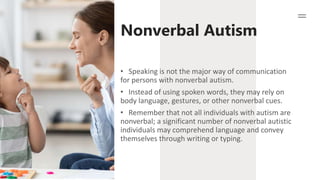
Central to effective therapy is an empathetic understanding of the nonverbal client’s lived experience. Communication extends beyond spoken language; it encompasses gestures, facial expressions, body movements, and even physiological responses. Recognizing these alternative modes of expression is paramount. Many nonverbal autistic individuals possess a rich internal world with complex thoughts and emotions that may not be immediately apparent without attentive observation.
Therapists must cultivate heightened perceptual acuity to decode subtle cues and respond appropriately. This often requires abandoning conventional dialogue-centric paradigms in favor of interaction styles that value silence, patience, and intuitive attunement.
Augmentative and Alternative Communication (AAC) Systems
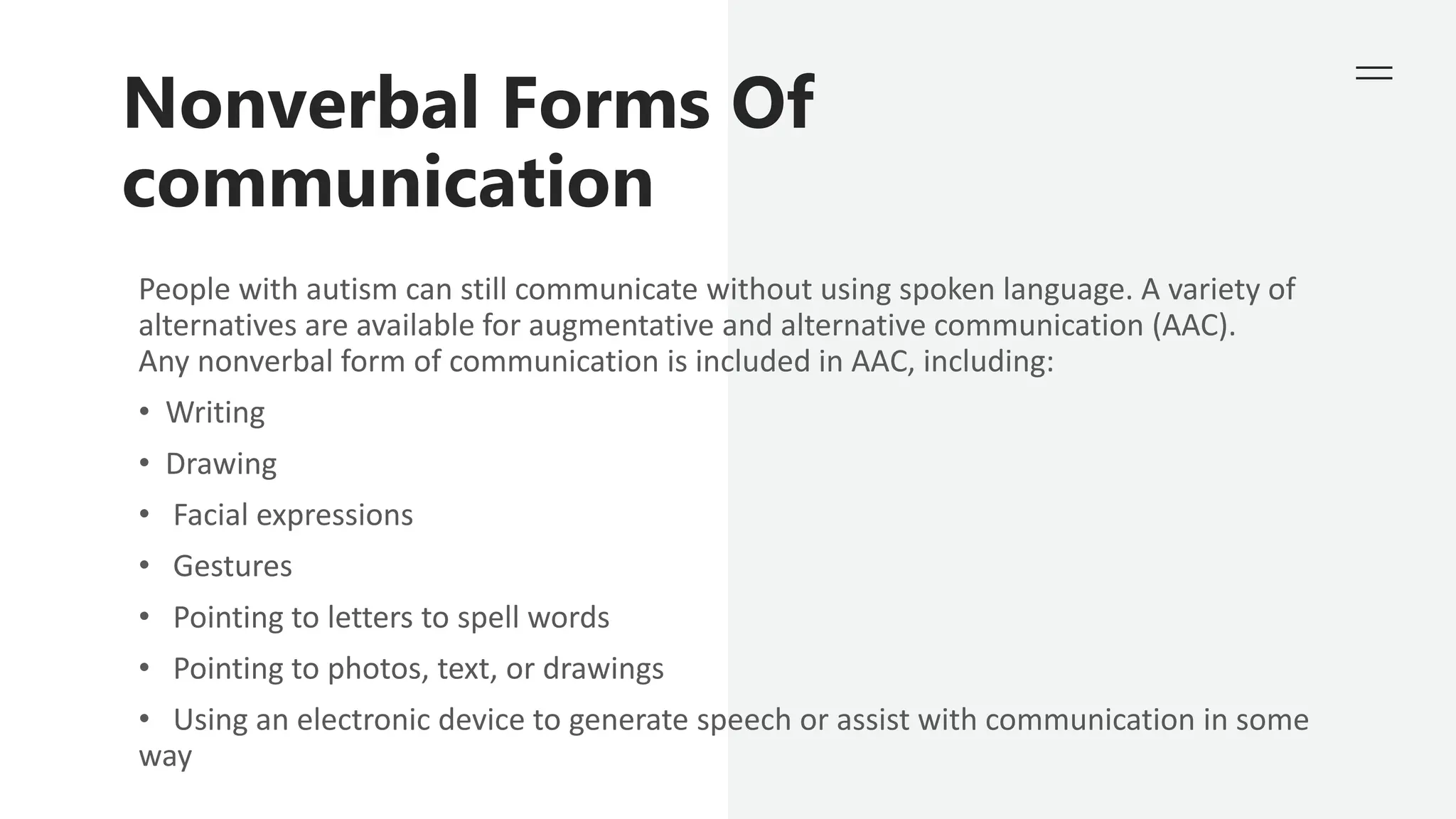
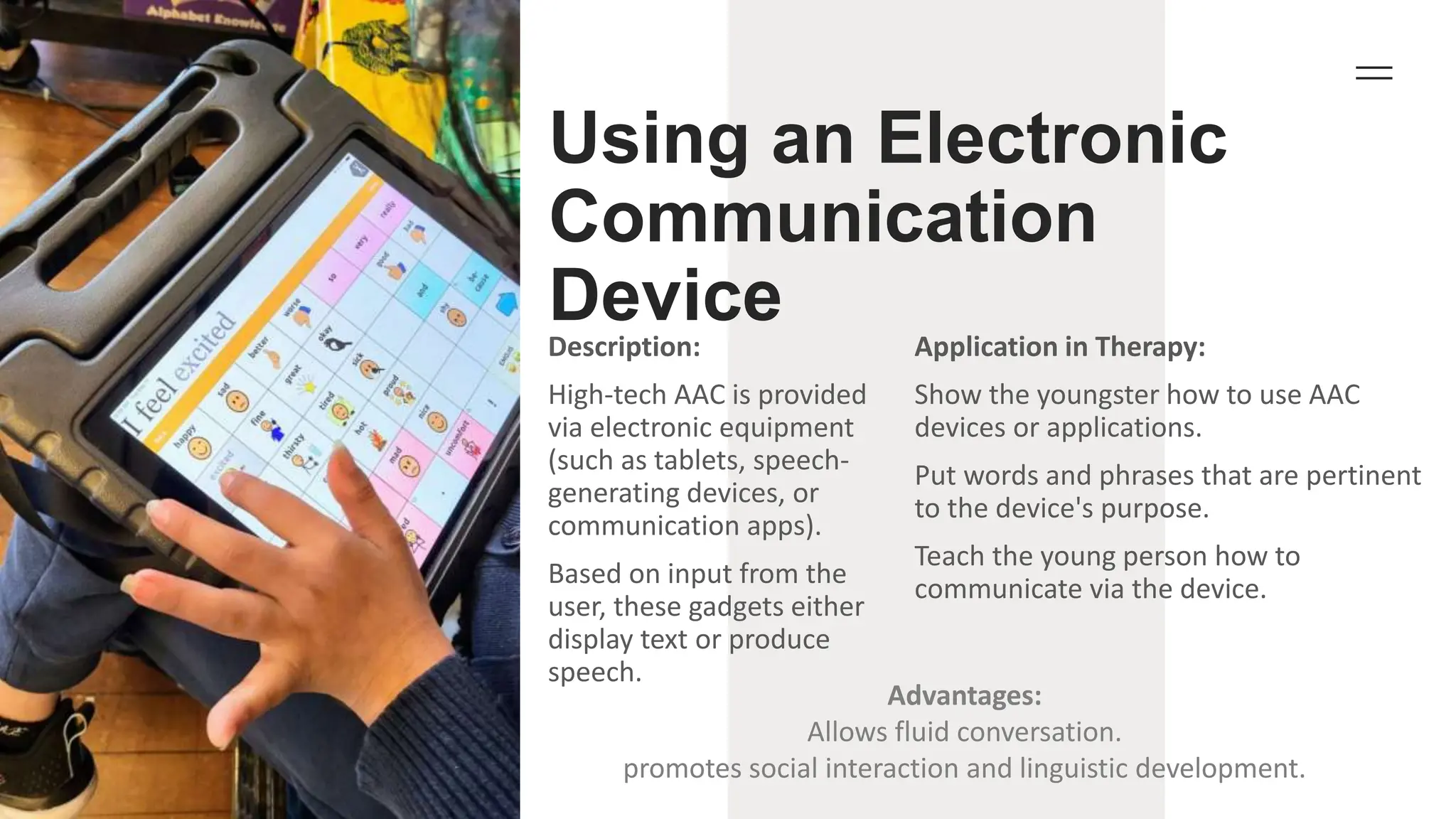
A cornerstone in adapting therapy is the deliberate incorporation of Augmentative and Alternative Communication (AAC) systems. AAC encompasses various tools ranging from low-tech options such as picture exchange communication systems (PECS) to high-tech speech-generating devices and eye-tracking technologies.
The selection of an AAC modality hinges on the client’s individual sensory preferences, motor skills, and cognitive capacities. For instance, PECS enables clients to convey needs and feelings through image cards, fostering a tangible connection between stimuli and response. On the other hand, sophisticated digital devices can offer expansive vocabularies and dynamic interaction possibilities, giving clients a greater sense of agency.
Moreover, therapists should ensure consistent training and reinforcement, allowing clients and their support networks to integrate AAC usage seamlessly into daily life.
Incorporating Sensory Integration Techniques
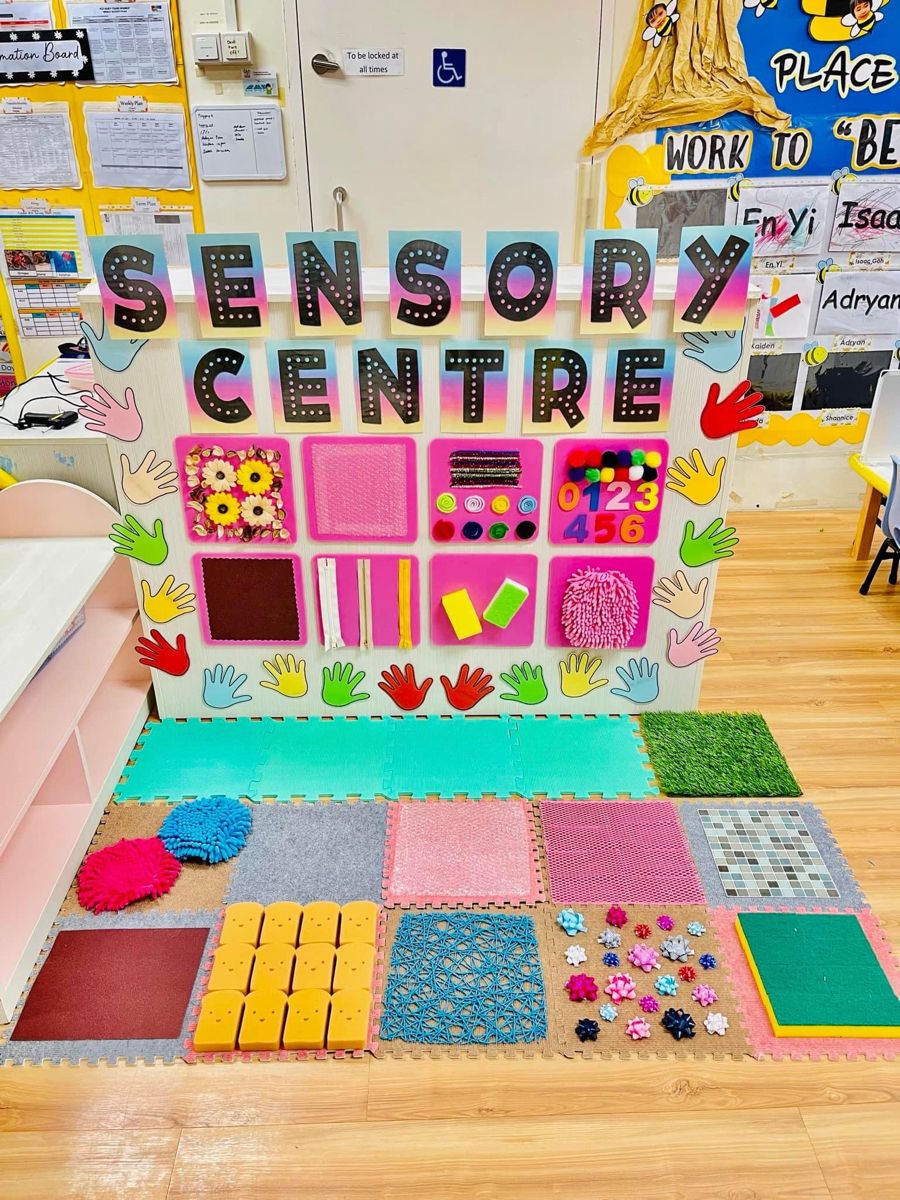
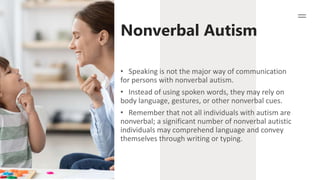
Nonverbal autistic individuals often experience heightened or atypical sensory processing. This can manifest as either hypersensitivity or hyposensitivity to stimuli such as sound, light, touch, or proprioception. Sensory integration therapy addresses these disparities by creating controlled sensory experiences designed to modulate the nervous system’s response.
Integrative therapy involves carefully curated environments where clients can explore textures, sounds, and movements at their own pace. For example, weighted blankets, textured objects, or gentle vestibular stimulation may provide calming effects. These sensory tools not only aid in reducing anxiety but also improve focus and readiness for communication-driven activities.
By integrating sensory modulation into therapy sessions, practitioners create a holistic approach that respects the client’s embodied experience.
Harnessing Nonverbal Expressive Therapies
Beyond linguistic methods, nonverbal expressive therapies such as art therapy, music therapy, and movement therapy serve as powerful conduits for emotional exploration and regulation. These modalities leverage the universality of nonverbal articulation to bypass communicative roadblocks.
Art therapy facilitates clients’ expression through colors, shapes, and patterns. It can reveal internal states, foster creativity, and enable externalization of feelings without reliance on words. Similarly, music therapy employs rhythm, melody, and tempo to evoke emotional states, encourage social interaction, and enhance sensory integration.
Movement therapy, including dance and somatic practices, further enables clients to explore body awareness and emotional connectivity through physical expression. Each of these therapeutic forms offers avenues for nonverbal clients to assert identity and agency.
Building Collaborative and Family-Centered Frameworks
Therapeutic success is amplified when clinicians engage collaboratively with families and caregivers. These stakeholders serve as critical extensions of the therapeutic milieu, providing consistency, emotional support, and invaluable insights into the client’s behaviors and preferences outside the clinical setting.
Family-centered approaches not only equip caregivers with the tools and knowledge to support communication efforts but also create a unified support system that nurtures the client’s progress. Joint goal-setting, regular training sessions, and open communication channels establish a robust alliance wherein the client’s holistic needs are addressed comprehensively.
Adapting Assessment and Progress Monitoring Strategies
Standard assessment tools often lack sensitivity to nonverbal modalities, necessitating customized evaluation protocols. Practitioners must employ observational methods, caregiver reports, and AAC-based feedback to chart developmental milestones and therapeutic outcomes.
Progress monitoring should emphasize qualitative dimensions such as increased engagement, emotional regulation, and communicative spontaneity alongside quantitative measures. Furthermore, flexibility and responsiveness in goal adjustments ensure that the therapeutic trajectory remains client-centered and dynamically attuned to evolving needs.
Creating an Inclusive Therapeutic Environment
The physical and relational environment profoundly impacts a nonverbal client’s receptivity and comfort. Therapeutic spaces must be calming, organized, and sensitive to sensory challenges. Visual supports, designated quiet zones, and predictable routines mitigate anxiety and enhance participation.
Equally, the therapist’s demeanor—marked by patience, attunement, and nonjudgmental acceptance—establishes a foundation of trust. This relational safety emboldens clients to explore and experiment with communication modes without fear of criticism or misunderstanding.
Adapting therapy for nonverbal autistic clients thus demands a confluence of creativity, empathy, and scientific rigor. By embracing multimodal communication systems, sensory integration, expressive therapies, and collaborative frameworks, therapists unlock pathways that honor the client’s individuality and promote holistic growth. This multifaceted approach ultimately fosters a therapeutic ecosystem where every nonverbal voice—though silent in speech—resonates profoundly.