Embarking on a journey with a child on the autism spectrum can feel akin to navigating uncharted skies—unpredictable yet filled with moments of breathtaking discovery. Air travel, in particular, is often fraught with complexities that ripple through the very fabric of routine and sensory comfort. However, with meticulous preparation and thoughtful strategies, the voyage can transform from a daunting expedition into a smooth flight that cherishes every milestone. This step-by-step guide is crafted to illuminate the path for parents undertaking this adventure, enabling them to soar through airports and airways with confidence and calm.
Understanding the Landscape: Preparing the Mind and Heart
Before setting foot outside the familiar, it is essential to map out the psychological terrain your child will encounter. Air travel involves a procession of unfamiliar stimuli—buzzing terminals, roaring engines, security protocols—that can overwhelm even the most resilient travelers. Recognizing this, parents should begin by introducing the concept of air travel well in advance. Use social stories or visual schedules that delineate each stage: from packing bags to boarding the plane. These narrative tools function as cognitive beacons, guiding the child through abstract experiences and reducing anticipatory anxiety.
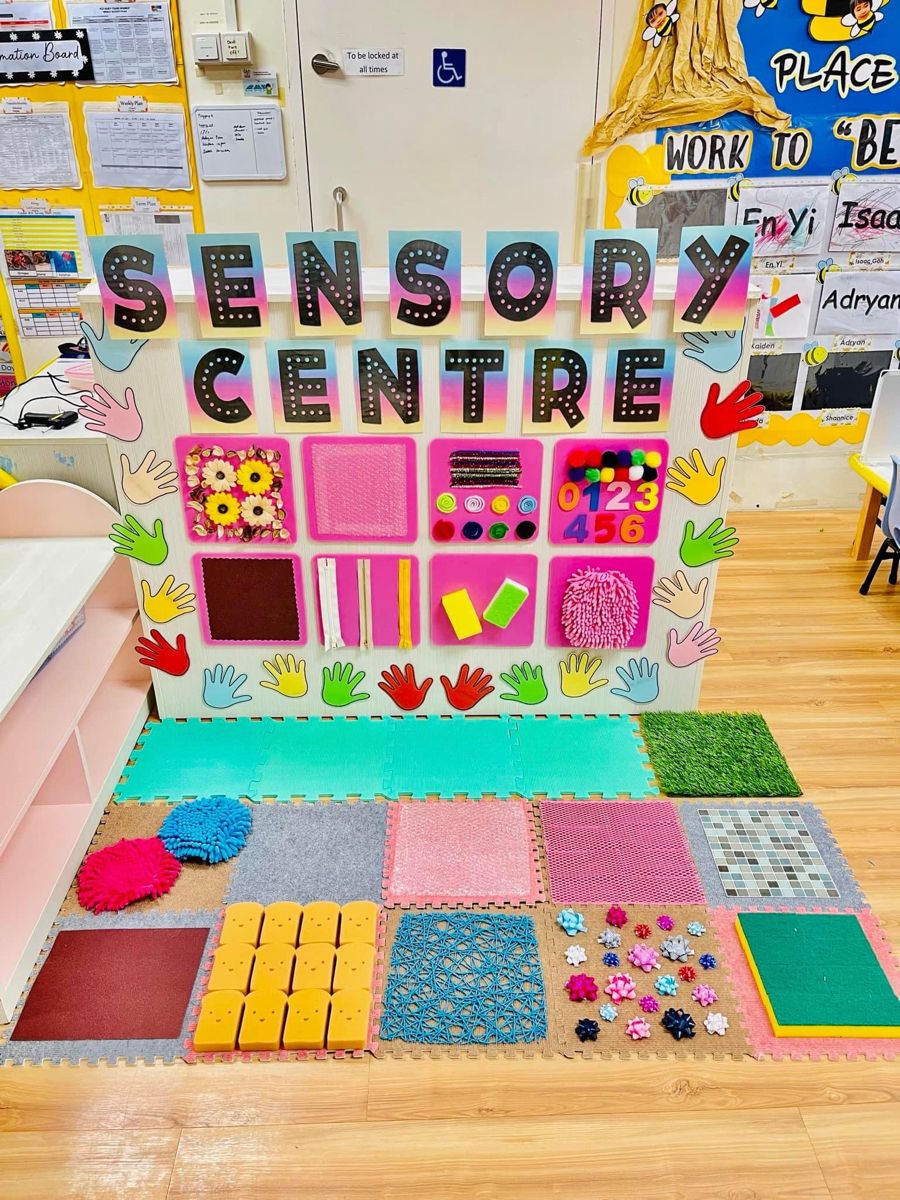
Understanding and respecting sensory sensitivities is paramount. Through observation, identify potential triggers—bright overhead lights, crowded waiting areas, or the cacophony of announcements—and strategize ways to mitigate discomfort. Noise-cancelling headphones or comfort items can serve as tactile and auditory shields, preserving a sanctuary amid the chaos.
Embarking on the Journey: Pre-Flight Preparations
Think of this phase as assembling the intricate machinery before takeoff. Every cog must align perfectly. Begin by ensuring all travel documentation is organized and accessible, as disruptions here can exacerbate stress. Inform the airline of your child’s needs at least 48 hours prior to departure. Many airlines offer accommodations such as priority boarding, pre-boarding security screening, or seating arrangements conducive to comfort.
Timing is another critical lever. Selecting flights during less busy hours or when your child is typically most cooperative can significantly ease transitions. Moreover, pack a meticulously curated carry-on kit filled with calming tools, favorite snacks, hydration, and sensory distractions. Practicality should be married with empathy; anticipate the unpredictability of delays or sudden changes.
Navigating the Airport: Strategies for Smooth Transitions
The airport is an ecosystem all unto itself, teeming with motion and sensory overload. Approach it as a labyrinth where careful wayfinding is essential. Arrive early to avoid the pressure of rushing, which can cascade into heightened anxiety. Utilize airport lounges or designated quiet zones if available; these oases offer respite and facilitate decompression.
Security checkpoints often represent the most fraught juncture. Prepare your child mentally using role-play or video demonstrations that simulate the process. Explain the necessity of removing shoes, emptying pockets, and placing belongings on conveyor belts. Where possible, request a private screening to circumvent overwhelming exposure to crowds.

Empathy from security personnel can transform this ordeal into a manageable procedure. Don’t hesitate to advocate for your child, clearly communicating any behavioral tendencies or sensory issues that officers should be cognizant of.
The Flight Experience: Creating Comfort 30,000 Feet Above
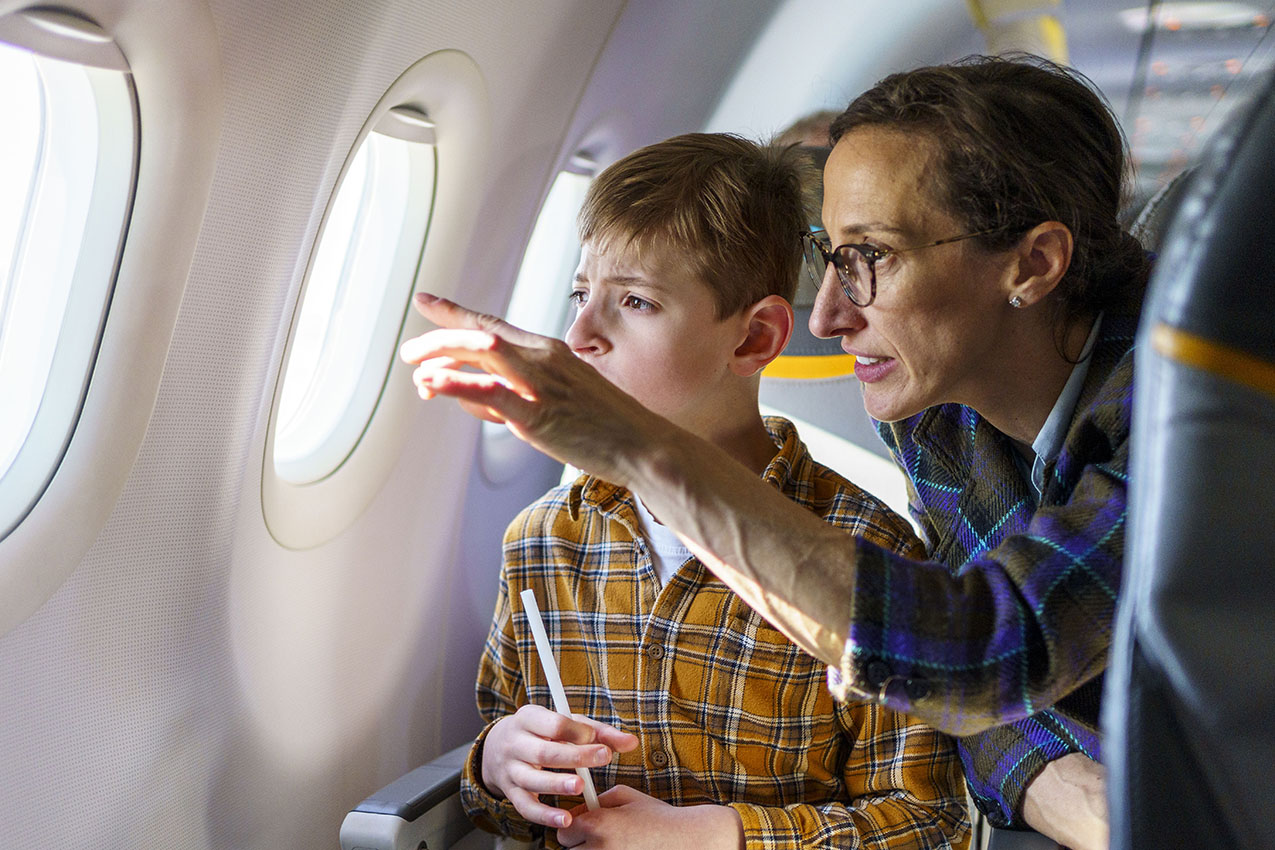
The cabin environment is a microcosm of controlled chaos—confined spaces, recycled air, and myriad strangers. Here, rituals and routines become anchors. Encourage your child to wear their preferred clothing to maintain familiarity. Seat selection plays a pivotal role; window seats can offer visual distraction, while aisle seats facilitate movement.
Explain in advance sensations that may be unfamiliar, such as takeoff, turbulence, or changes in air pressure. Providing comfort tools like chewable candies, gum, or specialized earplugs can alleviate ear discomfort during ascent and descent. Engage your child in activities that occupy their focus—coloring books, electronic devices with headphones, or favorite toys—diluting the strain of confinement.
Communication with flight attendants is vital. Brief them politely about your child’s needs; many crew members are trained and willing to assist with accommodations or allow extra time during meal services or boarding.
Disembarking and Beyond: Post-Flight Transitions
The journey does not conclude upon touchdown. Airports at the destination can mirror the initial sensory bombshell, so reintegrating should be intentional. Allow time for a gradual transition through arrival terminals, and where possible, arrange for expedited customs procedures. Reintroduce your child to sensory comforts, such as favorite headphones or soothing objects, to steady their equilibrium.
Finally, create space for reflection and decompression upon reaching your accommodation. Recognize signs of fatigue or sensory overload, and prioritize rest and familiar routines as soon as possible. This attentiveness to emotional and physical needs will anchor your child and facilitate a positive outlook for onward adventures.
Conclusion: The Sky as a Canvas of Possibilities
Traveling with a child on the autism spectrum can transform the notion of air travel from a logistical challenge into a canvas of possibility. Each flight, each step through the airport, and each new experience paints a story of resilience, adaptation, and discovery. By embracing a methodical yet imaginative approach, parents can dismantle barriers and unlock the inspiring potential that lies within every journey. The sky, vast and boundless, awaits not merely as a destination, but as a realm where growth, joy, and connection soar unhindered.