Autism spectrum disorder (ASD) presents a unique set of challenges in early childhood development, particularly when it comes to feeding. The intersection of sensory sensitivities, motor skill variations, and social communication differences can profoundly influence how a child with autism approaches breastfeeding, bottle-feeding, and the introduction of solid foods. Understanding these nuances is not merely about addressing nutritional needs—it’s about fostering a nurturing environment where feeding becomes a harmonious part of daily life rather than a source of stress. This article explores the multifaceted relationship between autism and feeding, offering insights into the challenges, strategies, and triumphs families may encounter at each developmental stage.
Feeding is far more than a biological necessity; it is a cornerstone of bonding, growth, and developmental progress. For children with autism, however, the act of feeding can be fraught with sensory discomfort, texture aversions, or difficulties with coordination. These challenges often manifest differently at each stage of early life, from the delicate dance of breastfeeding to the gradual transition to solid foods. Recognizing the signs of feeding difficulties early can empower parents and caregivers to seek appropriate interventions, whether through occupational therapy, dietary adjustments, or sensory integration techniques. The journey of feeding a child with autism is not linear—it is a dynamic process that requires patience, adaptability, and a deep understanding of the child’s individual needs.
The Nuances of Breastfeeding for Infants with Autism
Breastfeeding is often celebrated as a natural and intimate way to nourish a newborn, but for infants on the autism spectrum, it can present unexpected hurdles. Sensory sensitivities to touch, taste, or even the scent of breast milk may lead to resistance or discomfort during feeding sessions. Some infants may struggle with the physical demands of latching, while others may become overstimulated by the proximity of the caregiver’s body or the rhythmic motion of sucking. These challenges can be perplexing for parents who envisioned breastfeeding as a seamless bonding experience.
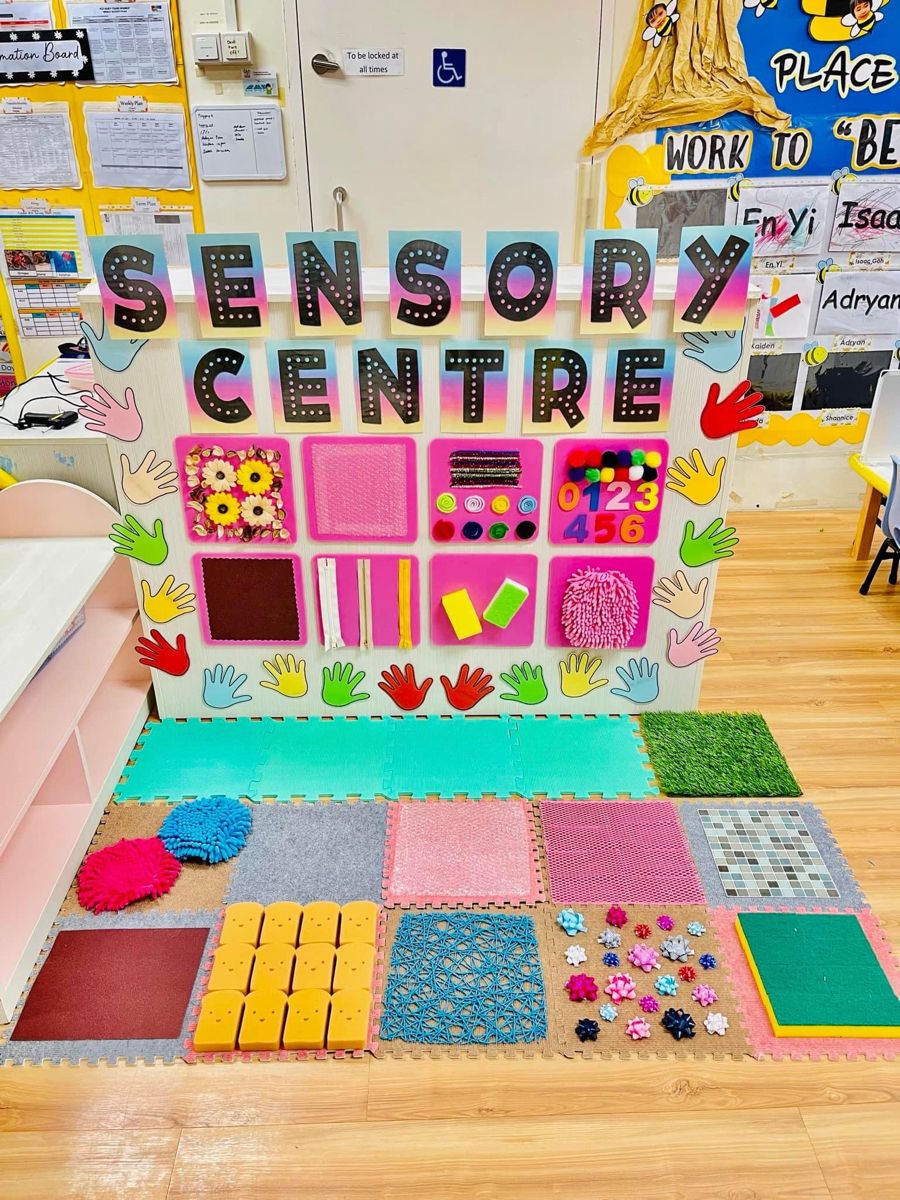
One of the most common issues is tactile defensiveness, where the infant reacts negatively to the sensation of skin-to-skin contact or the texture of the breast. This can result in arching the back, turning away, or crying inconsolably during feeds. In such cases, alternative positioning or the use of a nursing shield may provide relief, allowing the infant to feed without overwhelming sensory input. Additionally, some infants with autism may exhibit irregular sucking patterns, leading to inefficient milk transfer and frustration for both parent and child. Consulting a lactation specialist with experience in neurodivergent infants can offer tailored strategies to address these concerns.
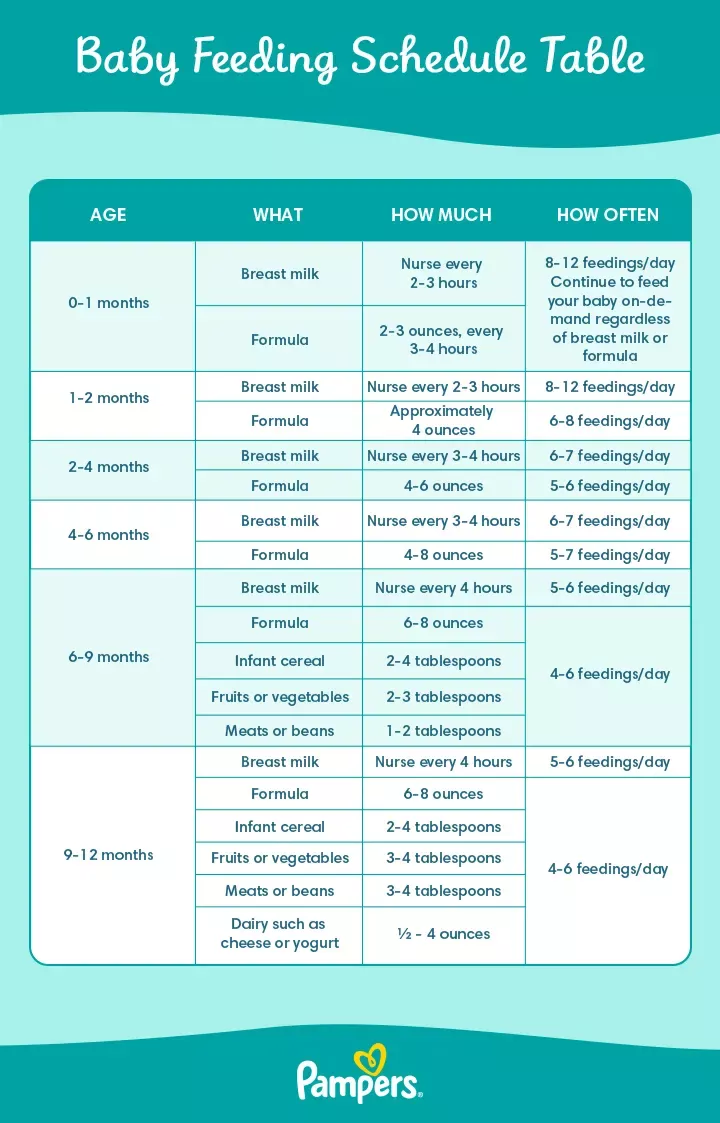
Another critical factor is the infant’s state of regulation. Many autistic infants struggle with self-soothing and may enter a feeding session already in a state of heightened arousal. Creating a calm, low-stimulation environment—perhaps with dim lighting and minimal background noise—can help the infant transition into a more receptive state. Patience is paramount; forcing a feed can exacerbate resistance, while a gentle, persistent approach may gradually build tolerance. For some families, supplementing with expressed breast milk via bottle may bridge the gap between breastfeeding and bottle-feeding, ensuring the infant receives adequate nutrition while reducing stress for both parties.
Bottle-Feeding: A Path to Comfort and Consistency
When breastfeeding proves too challenging, bottle-feeding emerges as a viable alternative, offering control over flow rate, temperature, and pacing. For autistic infants, the predictability of bottle-feeding can be a welcome respite from the unpredictability of breastfeeding. The ability to regulate the flow of milk—whether through a slow-flow nipple or a specialized bottle designed for colic—can mitigate the risk of choking or gagging, common issues for infants with oral motor delays. However, bottle-feeding is not without its own set of considerations, particularly when it comes to sensory preferences and motor coordination.
Texture aversions are a hallmark of many autistic children’s feeding experiences. Some infants may reject certain nipple materials, such as silicone or latex, while others may be sensitive to the temperature or taste of the formula. Experimenting with different bottle brands, nipple shapes, and formula types (e.g., hydrolyzed protein formulas for those with sensitivities) can help identify the most tolerable options. Additionally, the physical act of bottle-feeding requires coordination between sucking, swallowing, and breathing. Infants with low muscle tone or oral motor delays may fatigue quickly, leading to incomplete feeds and inadequate weight gain. Feeding therapists can assess these challenges and recommend exercises or adaptive tools, such as cheek supports or pacing techniques, to improve efficiency.
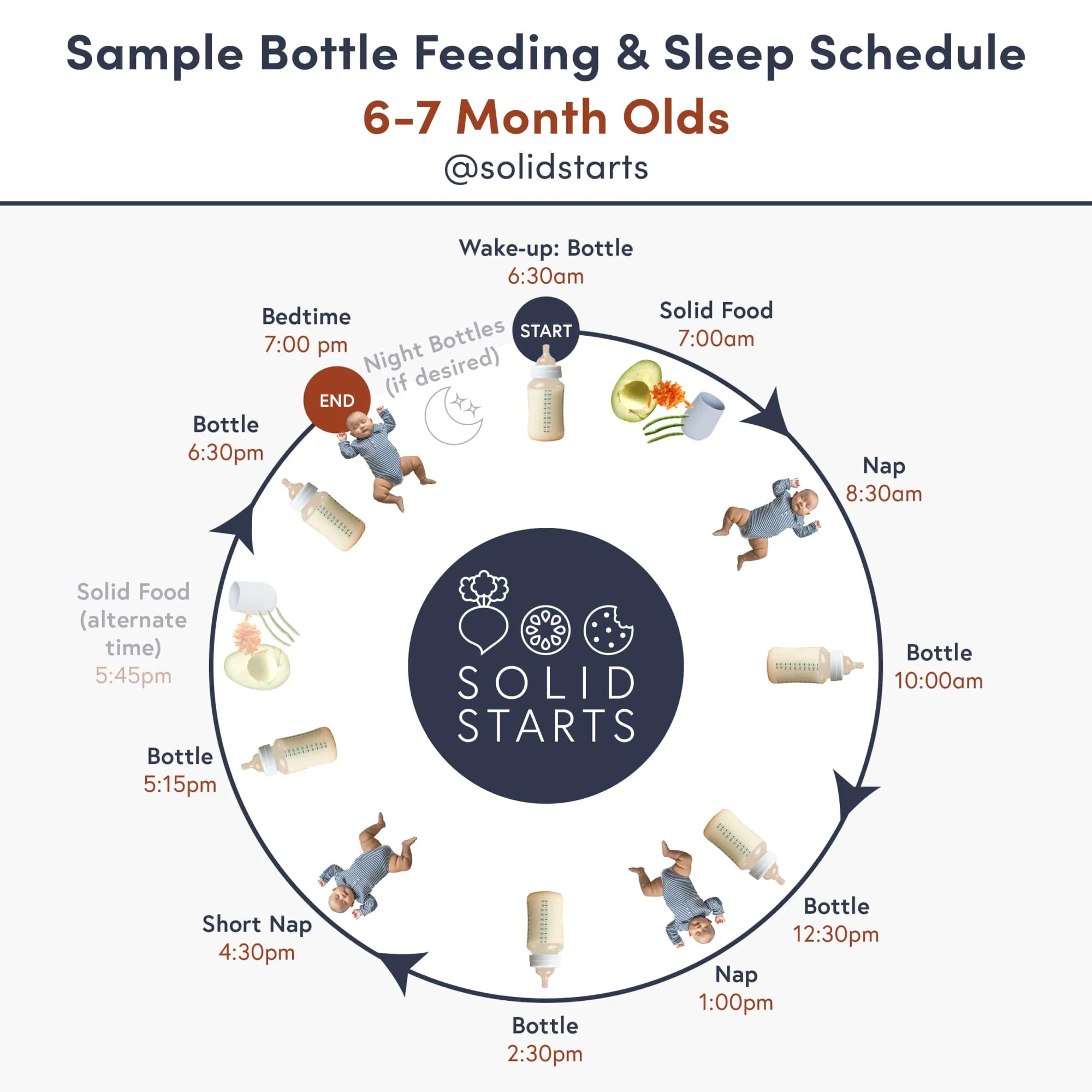
The environment in which bottle-feeding occurs also plays a pivotal role. Some autistic infants thrive in a quiet, distraction-free space, while others may benefit from gentle rocking or white noise to maintain focus. Consistency in routine is key; feeding at the same time each day and in the same setting can help the infant anticipate and prepare for the experience. For parents, bottle-feeding can also be an opportunity to observe the infant’s cues more closely, adjusting the pace or position as needed to ensure comfort. Over time, many infants with autism develop a preference for bottle-feeding, finding it a more manageable and less stressful alternative to breastfeeding.
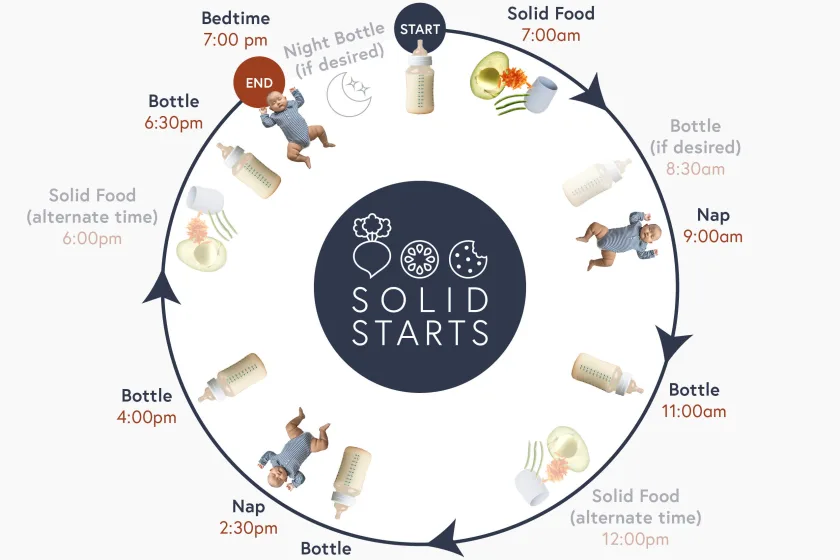
Transitioning to Solids: Navigating Texture and Taste
The introduction of solid foods marks a significant milestone in a child’s development, but for autistic children, it can be a minefield of sensory and motor challenges. Texture aversions, a common trait in autism, often intensify during this stage, with many children rejecting foods based on their mouthfeel alone. Purees may be deemed too slimy, while lumpy or chunky textures can trigger a gag reflex. This aversion to mixed textures is not merely a preference—it is a deeply ingrained sensory response that can make mealtimes a battleground. Parents may find themselves in a cycle of offering the same few foods, only to face resistance when attempting to expand the diet.
Motor skill deficits further complicate the transition to solids. Some children struggle with the fine motor control required to scoop food with a spoon, while others may have difficulty chewing or swallowing, increasing the risk of choking. Occupational therapists often employ a gradual, systematic approach to address these issues, starting with foods that are easy to manipulate and progressing to more complex textures as the child becomes comfortable. Tools like textured spoons or adaptive plates with suction bases can provide stability and confidence, empowering the child to explore new foods at their own pace.
The social and emotional aspects of eating also come into play during this stage. Many autistic children are highly attuned to the sensory properties of food but may lack the social motivation to engage in communal eating. Mealtimes can feel isolating when a child refuses to participate or becomes overwhelmed by the presence of others. Creating a low-pressure environment, where the child is not forced to eat but is encouraged to explore foods through touch or smell, can foster a more positive relationship with eating. Additionally, involving the child in food preparation—such as stirring ingredients or choosing between two options—can build a sense of agency and curiosity around new foods.
For parents, the key is to reframe expectations. Progress may be slow, and setbacks are inevitable, but each small step forward is a victory. Celebrating the child’s willingness to touch, smell, or even taste a new food—regardless of how much is actually consumed—can reinforce positive associations with eating. Over time, many autistic children gradually expand their diets, though their preferences may remain unconventional. Patience and creativity are essential, as is the willingness to seek professional guidance when needed.
Strategies for Success: A Holistic Approach to Feeding
Addressing feeding challenges in autism requires a multifaceted strategy that considers the child’s sensory, motor, and emotional needs. Occupational therapy, in particular, plays a pivotal role in helping children develop the skills necessary for successful feeding. Therapists may use a variety of techniques, such as oral motor exercises, sensory desensitization, and play-based interventions, to improve the child’s comfort and competence with eating. For example, a therapist might introduce vibrating toys to the child’s face to desensitize the oral area or use food chaining—a method of gradually introducing similar but slightly different foods—to expand the child’s diet.
Dietary modifications can also make a significant difference. Some autistic children have specific nutritional deficiencies or sensitivities that exacerbate feeding difficulties. For instance, a child with low iron levels may experience fatigue or irritability, making it harder to engage in feeding sessions. Working with a dietitian who specializes in autism can help identify and address these issues, ensuring the child’s diet supports both physical and cognitive development. Supplements, fortified foods, or tailored meal plans may be recommended to fill nutritional gaps while accommodating the child’s sensory preferences.
Parent education and support are equally critical. Caregivers often feel overwhelmed by the pressure to provide balanced meals while navigating their child’s resistance. Support groups, whether in-person or online, can offer a lifeline, connecting families with others who share similar experiences. Sharing strategies, recipes, and words of encouragement can alleviate the isolation that many parents feel. Additionally, professionals such as feeding therapists, speech-language pathologists, and pediatricians can collaborate to create a cohesive plan tailored to the child’s unique needs.
The role of technology in feeding support should not be overlooked. Adaptive utensils, specialized plates, and even apps designed to track food preferences and progress can empower families to take a proactive approach. For example, some apps allow parents to document the child’s reactions to different foods, identifying patterns that can inform future meal planning. Assistive devices, such as non-slip mats or built-up utensils, can also enhance the child’s independence and confidence during mealtimes.
Celebrating Progress and Embracing Individuality
Feeding a child with autism is a journey filled with both triumphs and setbacks, but it is ultimately a testament to the resilience and adaptability of both child and caregiver. Progress may not always align with developmental milestones or societal expectations, but it is no less meaningful. Whether it’s a child finally accepting a new food after months of refusal or a parent discovering a feeding position that brings comfort to their infant, these moments deserve to be celebrated. The goal is not perfection but progress—a steady, patient unfolding of the child’s unique relationship with food.
It is also important to recognize that feeding challenges do not define the child’s worth or potential. Autistic children, like all children, thrive in environments where their individuality is respected and their efforts are acknowledged. Mealtimes can become opportunities for connection, learning, and growth, rather than sources of stress. By embracing a flexible, compassionate approach, families can transform feeding from a daily struggle into a meaningful part of their child’s development.
In the end, the journey of feeding a child with autism is as much about nourishing the body as it is about nurturing the spirit. It is about finding joy in the small victories, learning from the challenges, and building a foundation of trust and understanding. With the right support and strategies, every child can develop a positive relationship with food—one that sustains them not just physically, but emotionally and socially as well.