Have you ever wondered how to gracefully navigate the labyrinth of public spaces when confronted with the tempestuous storm of an autism meltdown? The challenge of managing such moments in bustling, unpredictable environments may seem daunting, yet with thoughtful preparation and understanding, it becomes a journey rather than a trial. Autism meltdowns are profound expressions of sensory overload or emotional overwhelm, distinct from tantrums and rooted in neurological responses rather than willful behavior. Handling these episodes in public requires a delicate balance of empathy, strategy, and sometimes, a touch of ingenuity.
Recognizing the Signs Early: The Crucial First Step
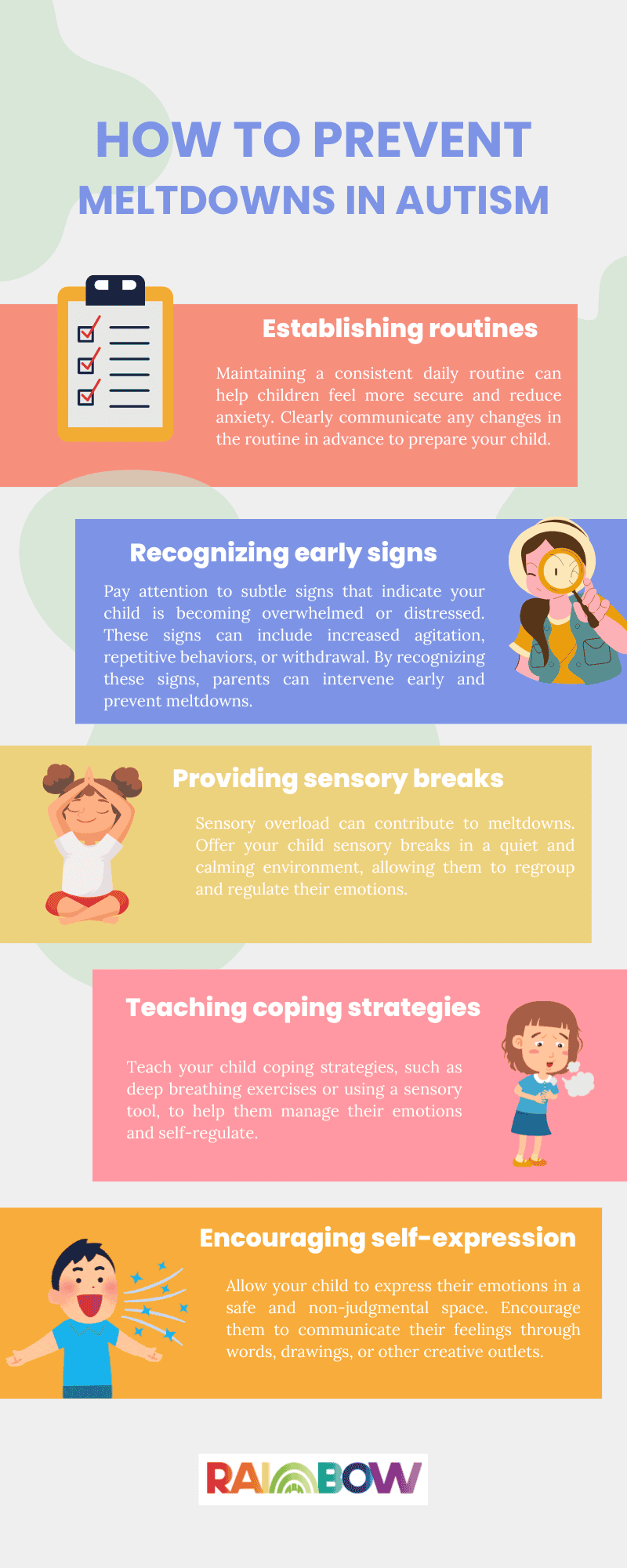
One of the paramount skills in managing autism meltdowns in public is the art of anticipation. Meltdowns are often prefaced by subtle cues — rapid breathing, avoidance of eye contact, repetitive motions, or an increasing withdrawal from surroundings. Being attuned to these precursor signals is akin to reading a secret code, allowing caregivers and companions to intervene before sensory inundation escalates beyond control.
Early recognition empowers proactive measures. For instance, if you notice a child or adult beginning to display signs of distress, initiating a calming routine or moving to a quieter space can preclude the meltdown altogether. Such interventions require patience and keen observation, but the dividends in reducing public disruption and individual distress are immense.
Creating a “Safe Harbor” in Chaotic Spaces
Public places are often rife with unpredictable stimuli: cacophonous noises, glaring lights, and teeming crowds. These factors can exacerbate sensory overload for individuals on the autism spectrum. Establishing a “safe harbor,” either physically or metaphorically, is an indispensable tactic.
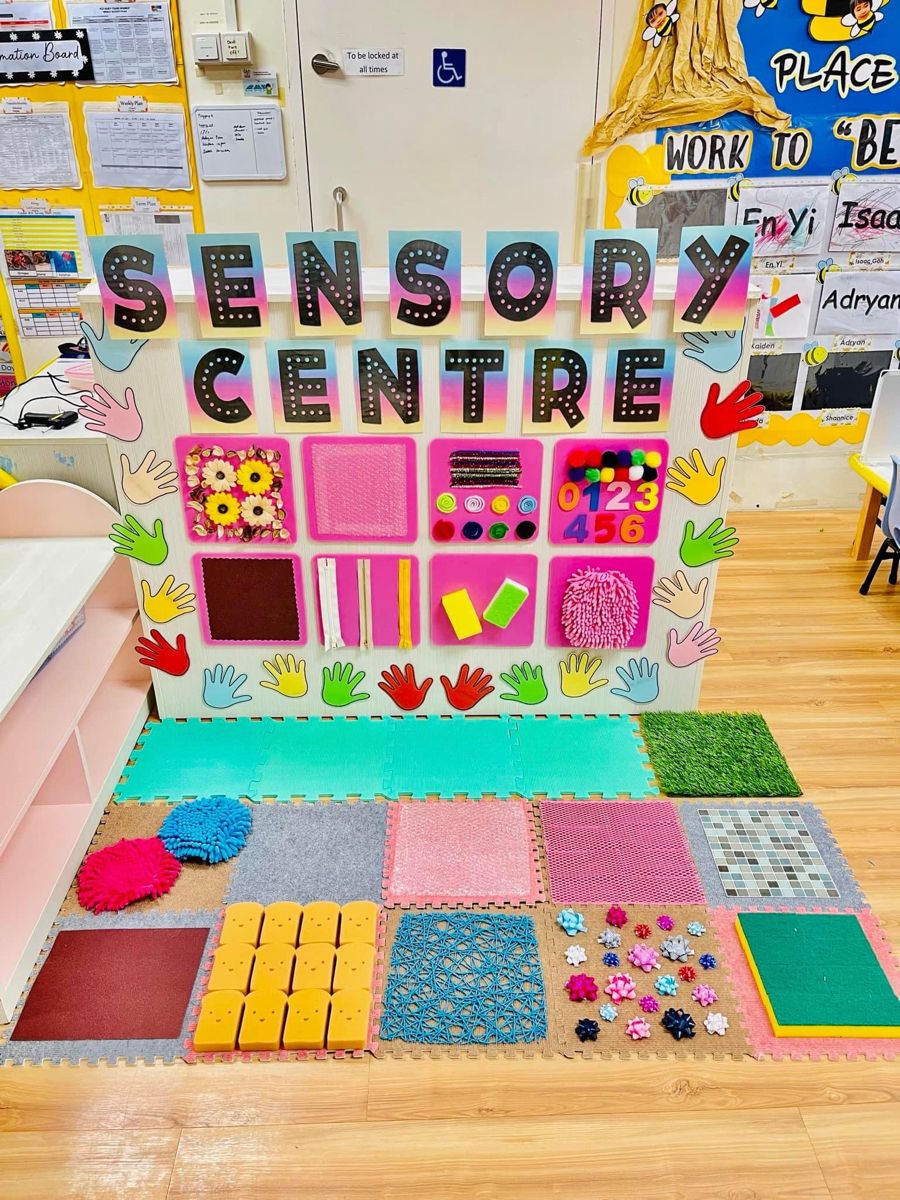
This might be as simple as seeking a corner away from the hustle, retreating to a vehicle, or using a designated quiet room if available. Some individuals find comfort in weighted blankets, noise-canceling headphones, or familiar objects that provide tactile reassurance. Carrying such sensory tools is not just practical but an essential act of foresight.
Communication Beyond Words: Nonverbal and Alternative Strategies
When words escape or fail, communication assumes other, subtler forms. During a meltdown, language capacity often diminishes, making verbal cues ineffective or even counterproductive. Instead, gestures, visuals, or technology-assisted communication can bridge the gap.
Visual schedules, picture cards, or apps designed for augmentative communication serve as invaluable guides for offering choices or explaining next steps. Recognizing this need for alternative communication respects the individual’s experience and fosters a sense of control amid chaos.
Maintaining Composure: The Caregiver’s Calm as a Catalyst
In the storm of an autism meltdown, the caregiver’s demeanor often sets the tone. Maintaining a calm, composed presence can mitigate the intensity of the episode. This is easier said than done; witnessing distress in a loved one triggers anxiety. However, the caregiver’s steady breath and measured tone convey safety.
Practicing mindfulness or grounding techniques beforehand can fortify resilience. Pausing to assess the environment, adjusting oneself emotionally, and consciously slowing reactions creates a ripple effect, helping to soothe the overwhelmed individual.
Understanding the Difference: Meltdown vs. Tantrum
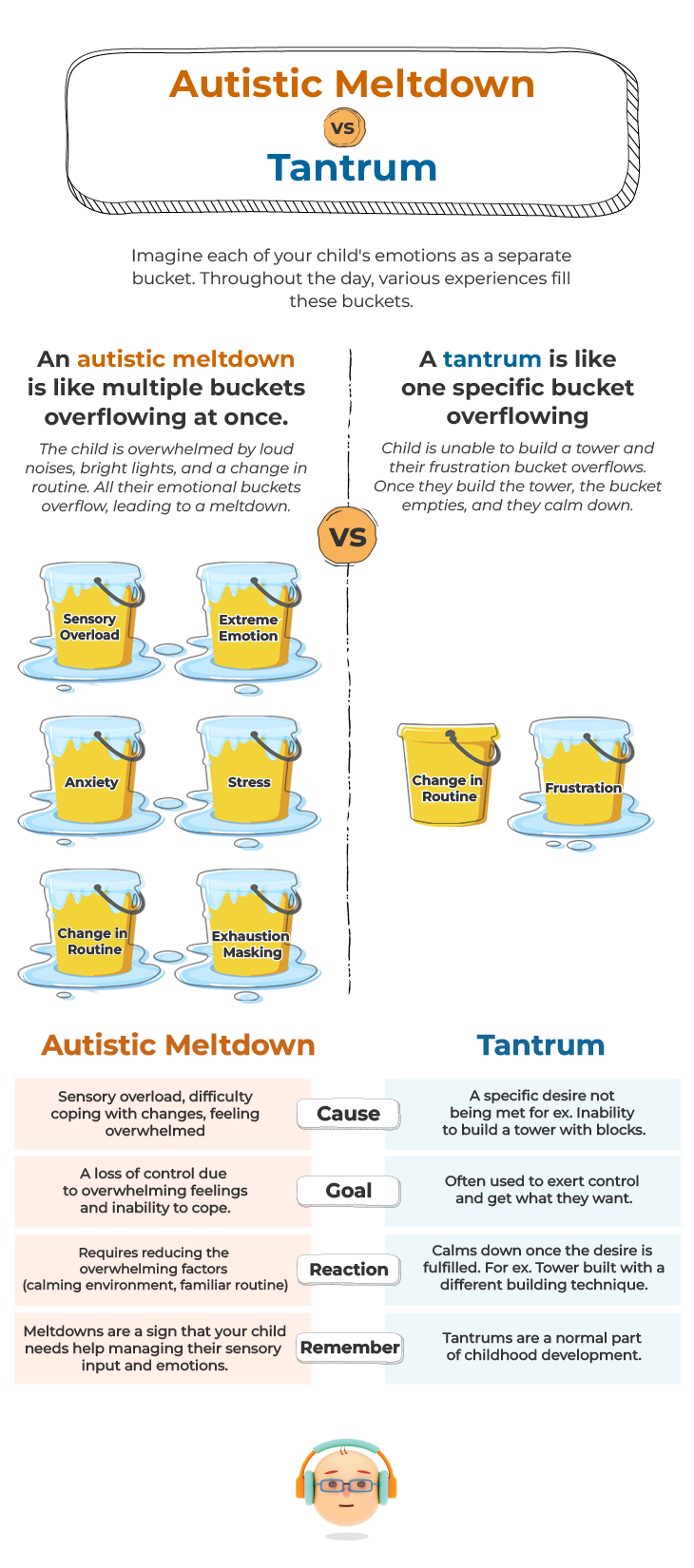
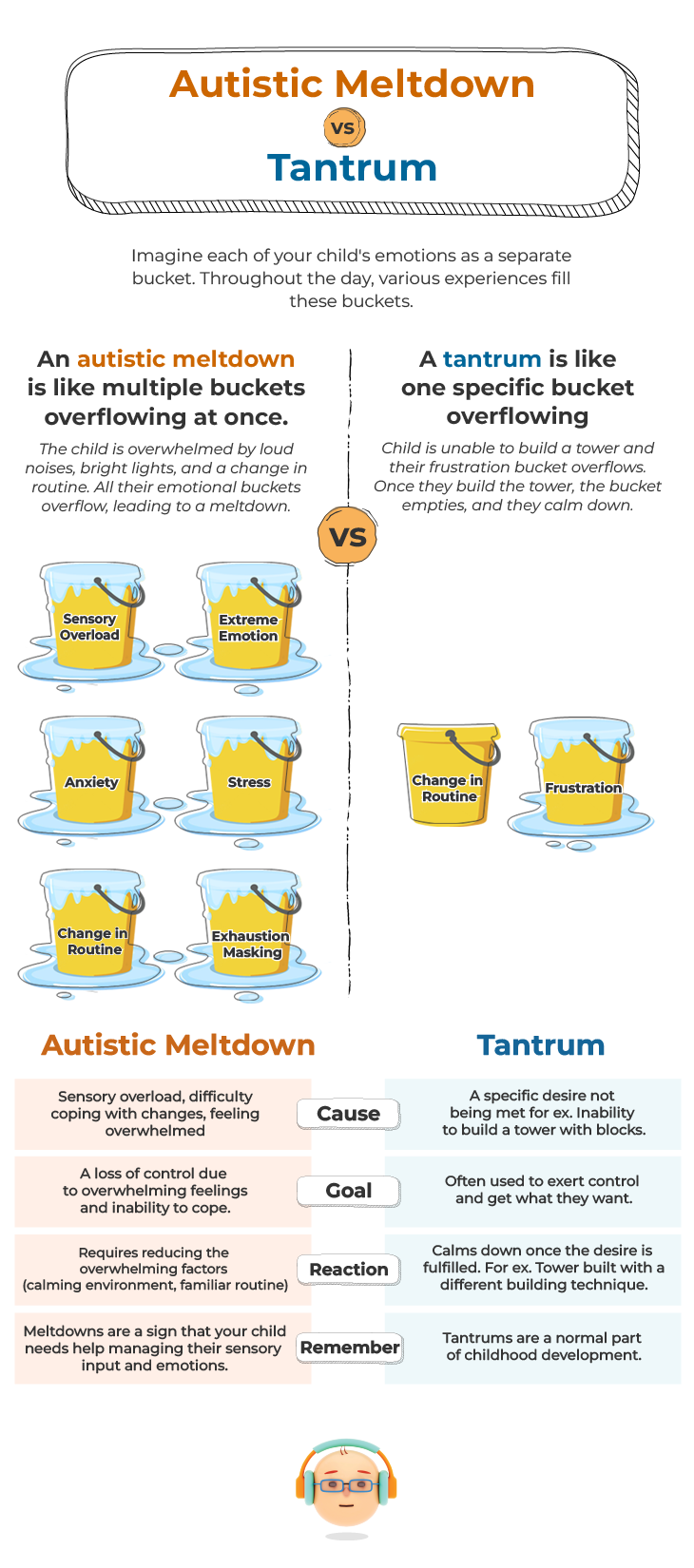
One common pitfall is conflating meltdowns with tantrums. The distinction is vital. Tantrums are typically goal-oriented, manipulative behaviors used to gain a desired outcome, whereas meltdowns are involuntary responses to sensory and emotional saturation.
This understanding shifts the approach from punitive to supportive. Responding with empathy rather than discipline aids recovery and preserves dignity. The intent behind the behavior guides the kindest and most effective response.
Planning and Preparedness: Preventive Measures for Outings
Prevention is the keystone of managing meltdowns in public. Meticulous planning can stave off many stressors that ignite overload. This includes choosing times when public places are less crowded, bringing favorite snacks or comfort items, and mapping out quiet zones where respite is possible.
Discuss the plan with the individual beforehand when feasible. Predictability and routine are potent antidotes to anxiety. Having exit strategies ready and communicating them non-verbally or ahead of time reduces tension and gives a sense of agency.
Aftermath and Reflection: Supporting Recovery and Growth
Once the storm subsides, recovery is paramount. Meltdowns often leave individuals physically and emotionally exhausted. Offering a quiet space, gentle reassurance, and time to regain composure is critical. Avoid overwhelming explanations or demands immediately afterward.
Reflection, when done sensitively and at an appropriate time, can transform the meltdown into a learning opportunity. Discussing triggers and coping strategies strengthens resilience and equips both caregiver and individual with greater tools for future encounters.
Empowering Advocacy and Social Understanding
Broader societal awareness is essential in creating inclusive public spaces where meltdowns are met with understanding rather than judgment. Educating community members on the nuances of autism and meltdowns fosters empathy and reduces stigma.
Caregivers and individuals can advocate for autism-friendly accommodations such as sensory-friendly hours or designated quiet zones in public venues. Empowerment grows through creating environments that recognize diverse neurological experiences and accommodate varied needs.
Handling autism meltdowns in public places is undeniably complex, weaving empathy, foresight, and adaptability into a delicate tapestry. While unforeseen challenges lurk in every corner, preparation and compassionate presence can transform these moments from turbulent trials into manageable life experiences. With awareness and patience, public spaces evolve from intimidating arenas into accessible, supportive environments where every individual can navigate their world with dignity and grace.