Have you ever wondered how early you can discern whether a child might be on the autism spectrum? Recognizing autism at a tender age, such as around two years old, can be a complex and nuanced challenge for parents and caregivers alike. This developmental window is crucial because early intervention often hinges on timely identification. Understanding the subtle and sometimes overt signals that might indicate autism can empower families to seek the right support and resources, fostering an environment where the child can thrive.
Understanding Communication Challenges
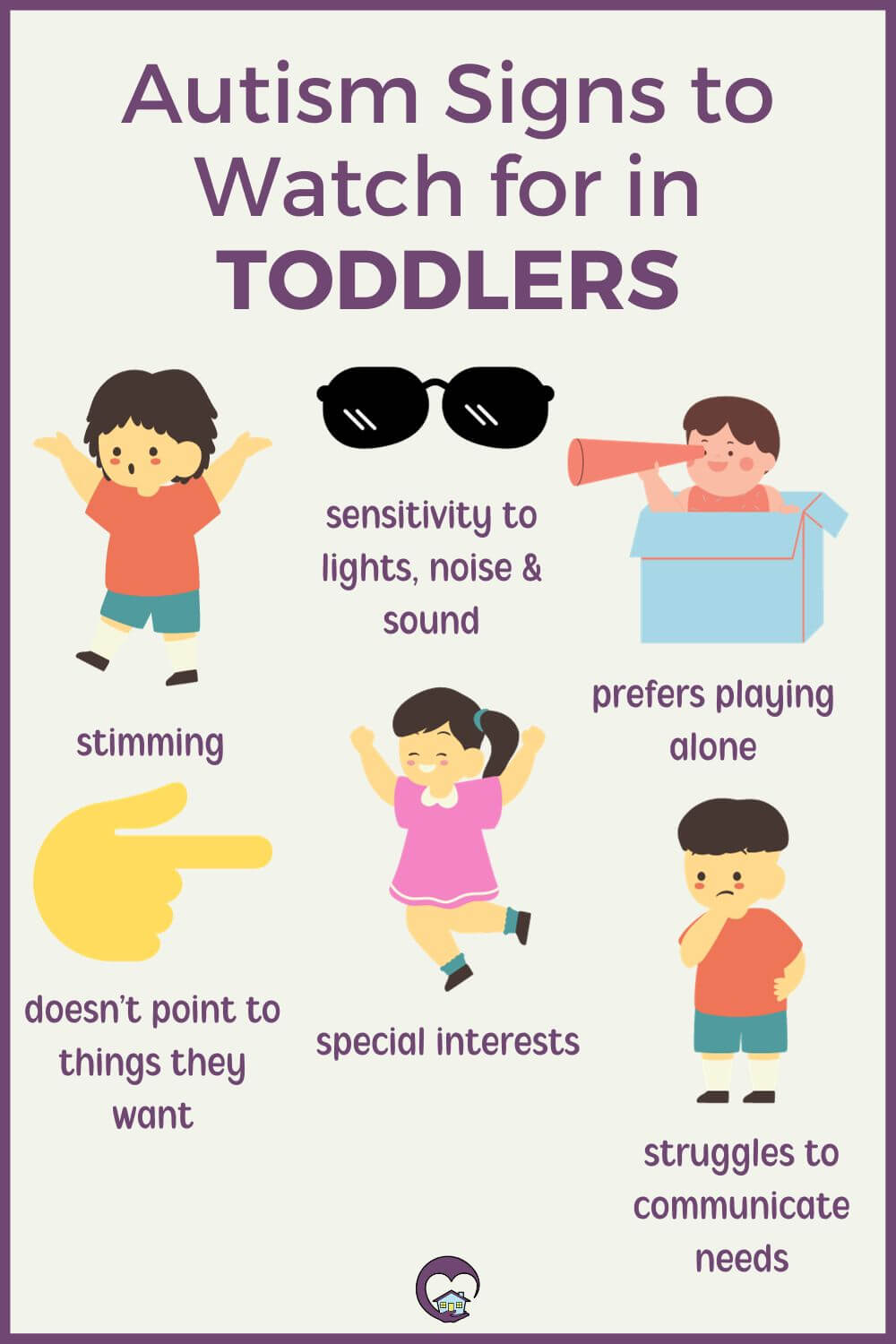
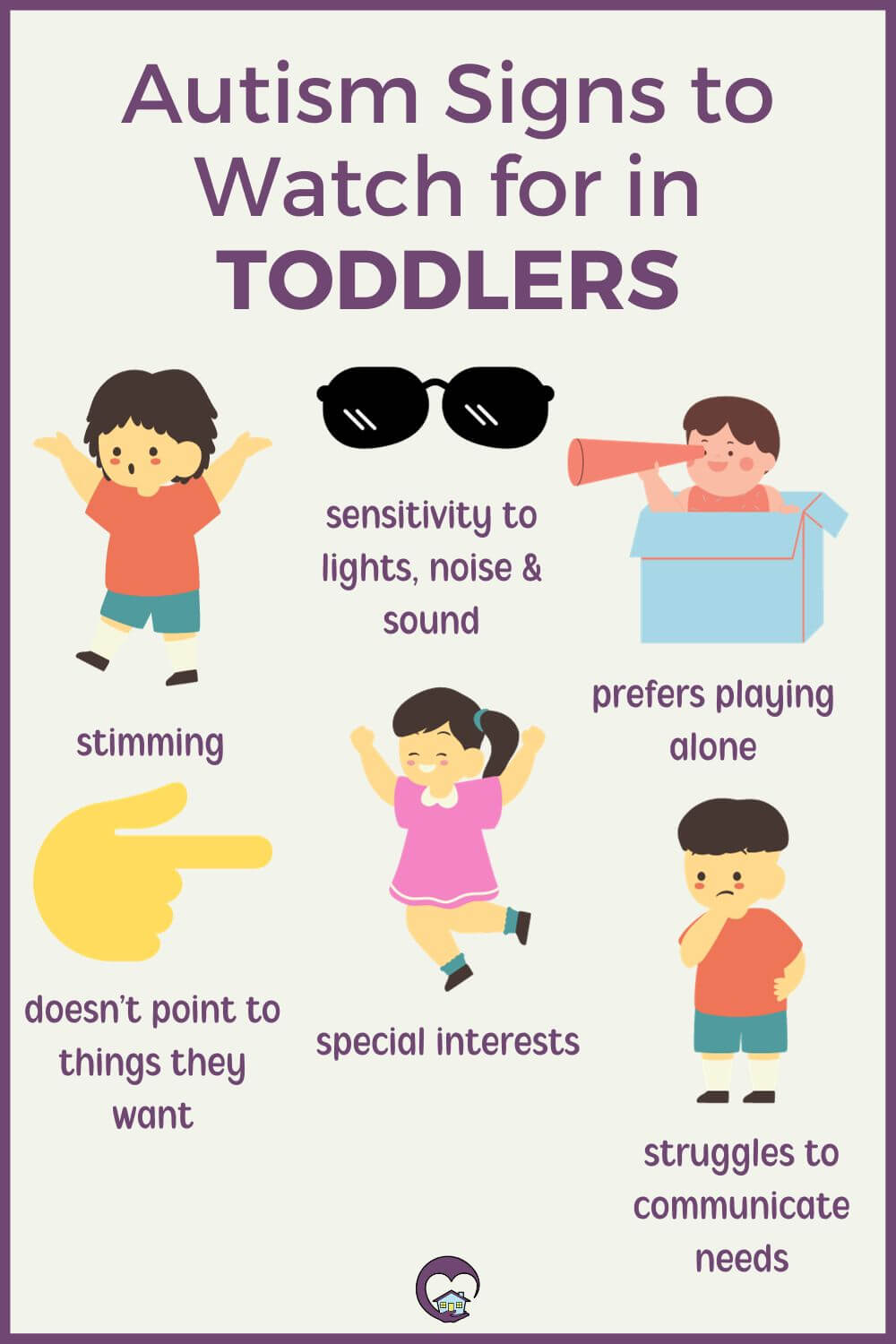
One of the hallmark areas where signs of autism commonly emerge is in communication. At two years old, children typically begin to combine words into simple phrases and show an increasing interest in engaging with others through verbal and nonverbal means. When a child exhibits diminished eye contact, limited use of gestures such as pointing or waving, or struggles to respond to their name consistently, these may be early indicators of autism spectrum disorder (ASD).
Moreover, a delay or absence in spoken language development is a critical consideration. Some toddlers might not single out words clearly or use few spontaneous words. Instead, they might rely on repetitive sounds or echolalia, where they repeat phrases or words heard previously without apparent understanding. Such atypical speech patterns can signal the need for further evaluation.

Social Interaction Nuances
Social reciprocity—the back-and-forth flow of interaction—is a foundational aspect of early childhood development. Toddlers typically show a desire to share experiences and emotions with caregivers and peers. When a two-year-old appears indifferent to social stimuli, seems aloof, or avoids physical contact and engagement, these behaviors might raise concern.
Children with autism may prefer solitary play rather than interactive games. They might not seek comfort from familiar adults or smile responsively. The subtleties of joint attention—like following a parent’s gaze or pointing to objects of interest—often develop around this age. When such social communication cues are absent or inconsistent, it could signify an underlying developmental divergence.

Repetitive Behaviors and Restricted Interests
Atypical repetitive behaviors stand out as a core domain in autism. At two years, signs might manifest through persistent hand flapping, spinning objects, rocking back and forth, or lining up toys in an unusual pattern. These behaviors often serve as self-stimulatory mechanisms helping the child manage sensory input or emotional states.
In addition to motor stereotypes, some toddlers might exhibit an intense fixation on specific objects or topics, to the exclusion of other activities. This restricted range of interests can make it challenging for caregivers to redirect attention or introduce new experiences. Recognizing these tendencies early helps delineate the child’s unique engagement style, a critical step in tailoring supportive interventions.
Sensory Sensitivities and Processing Differences
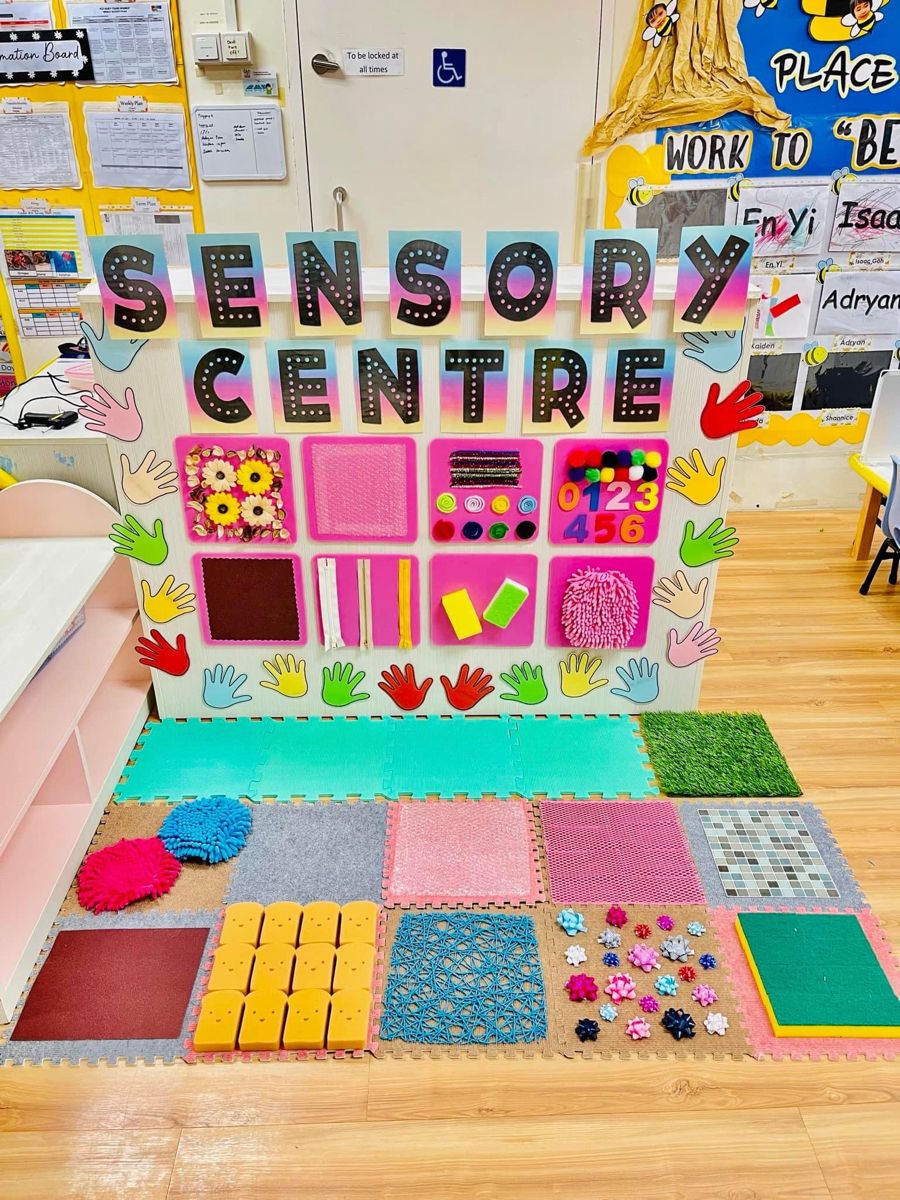
Sensory processing irregularities frequently accompany autism, especially in the early years. Some two-year-olds might display hyperreactivity, becoming easily overwhelmed by certain sounds, textures, or lights. Others might seek intense sensory input, such as mouthing non-food items, incessant touching, or unusual fascination with particular textures.
For example, a child might cover their ears in response to everyday noises or refuse to wear clothing with typical tags or seams. These sensory preferences and aversions influence behavior and comfort, and they provide essential clues to professionals conducting developmental assessments.
Delayed Motor Skills and Coordination
While communication and social interaction dominate early autism symptom discussions, motor development can also provide significant insights. Some toddlers on the spectrum experience delays in gross and fine motor skills. This may present as late crawling or walking, clumsiness, or difficulties with precise movements such as stacking blocks or manipulating small objects.
Observing motor coordination can complement other behavioral signs, helping to form a holistic view of the child’s developmental profile. Early physical challenges might also impact participation in social play, compounding further delays in interaction and communication skills.
The Importance of Early Screening and Intervention
Identifying autism’s signs at two years old requires a keen observational lens and sometimes professional input. Routine developmental screenings during pediatric visits are invaluable for catching potential red flags early. A multidisciplinary approach—including speech therapists, occupational therapists, and developmental pediatricians—ensures a comprehensive evaluation.
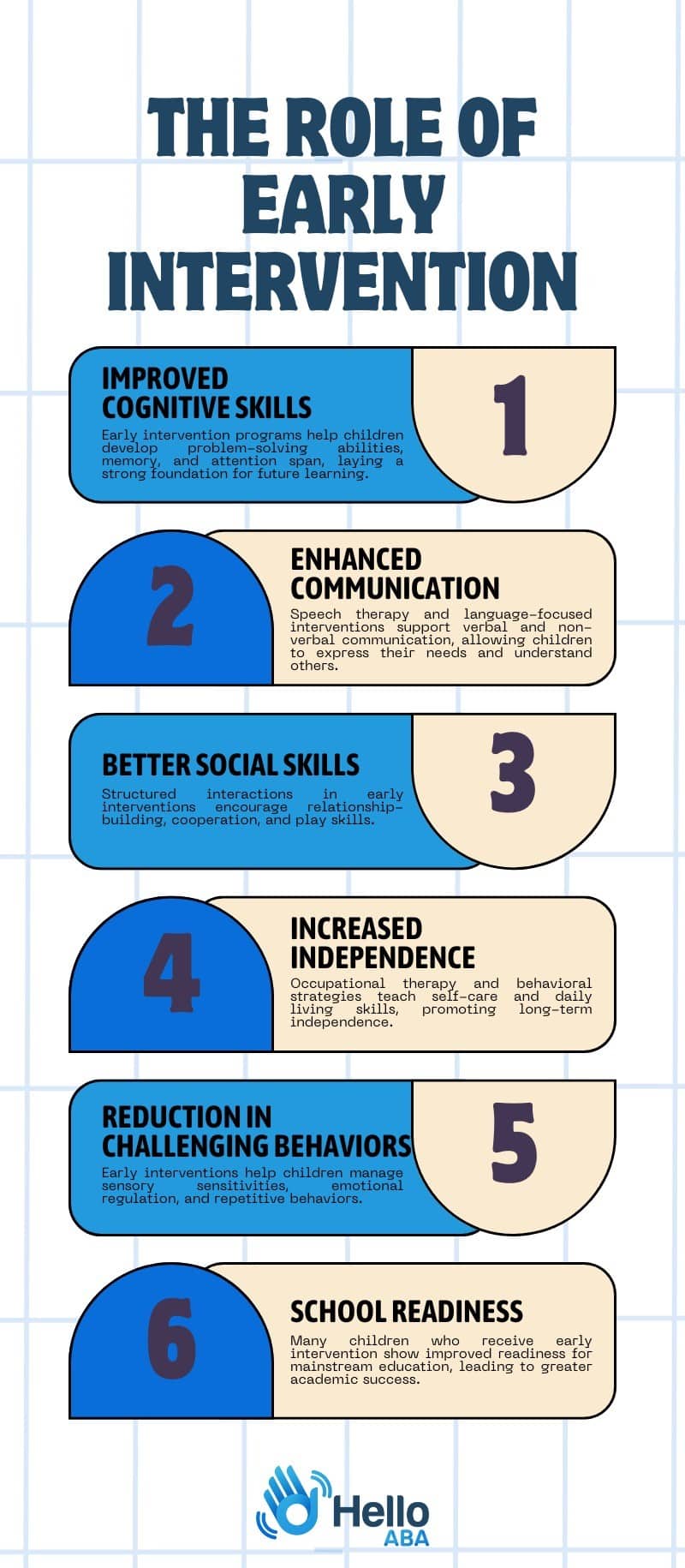
Crucially, early detection opens doors to interventions that can significantly improve outcomes. Tailored support focusing on enhancing communication, social skills, and sensory integration can promote greater independence and emotional well-being over time.
Empowering Caregivers Through Knowledge and Support
Parents and caregivers often face emotional and practical challenges when suspecting autism. Understanding the signs thoroughly helps transform uncertainty into actionable insight. It is equally vital to seek community support, professional guidance, and advocacy to sustain the child’s development journey.
Each child’s manifestation of autism is unique. While some patterns may align closely with common characteristics, others might diverge. Hence, patience, observation, and collaboration with experts form the cornerstone of effective identification and support.
In the quest to understand what the signs of autism in a 2-year-old truly entail, it becomes evident that no single indicator stands alone. Instead, an intricate tapestry of behaviors, communication milestones, and sensory responses weave together to signal the presence of ASD. By attuning to these markers with care and precision, caregivers can help chart a path toward meaningful growth and connection for their children.