Autism spectrum disorder (ASD) presents a complex tapestry of challenges, weaving together neurological, behavioral, and developmental threads. For families navigating this intricate landscape, the search for supportive therapies often extends beyond conventional medicine into the realm of complementary and alternative treatments. Among these, homeopathy emerges as a polarizing yet intriguing option, promising gentle, individualized care rooted in natural principles. This article delves into the intersection of autism and homeopathy, examining its theoretical foundations, potential benefits, limitations, and the scientific scrutiny it faces. Whether you are a parent, caregiver, or simply curious, understanding the nuances of this approach can illuminate new pathways in holistic care.
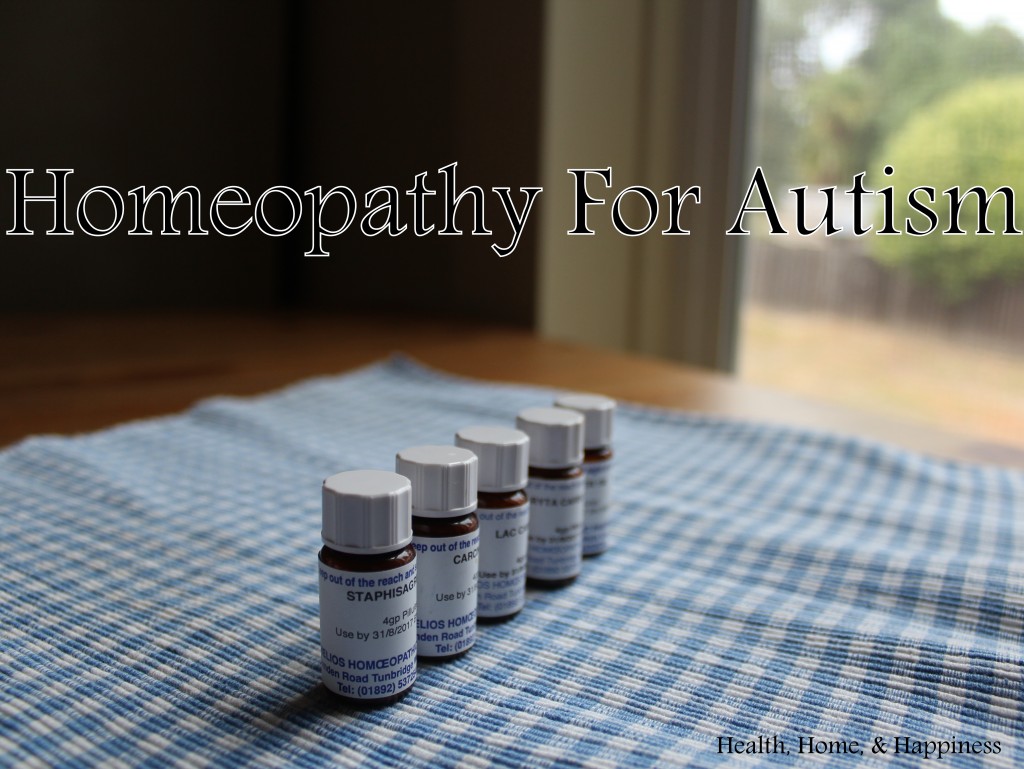
The Philosophy Behind Homeopathy: A Gentle Approach to Healing
Homeopathy operates on the principle of “like cures like,” a doctrine posited by its founder, Samuel Hahnemann, in the late 18th century. This concept suggests that a substance capable of inducing symptoms in a healthy individual can, when administered in minute doses, stimulate the body’s innate healing mechanisms to alleviate similar symptoms in illness. For autism, this translates into a highly personalized treatment strategy, where remedies are selected based on an individual’s unique constellation of behavioral, emotional, and physical traits rather than a standardized diagnosis.
The practice also emphasizes the concept of “potentization,” a process involving serial dilution and succussion (vigorous shaking) of substances. The goal is to reduce toxicity while amplifying the remedy’s energetic imprint. Critics argue that this dilution often renders remedies indistinguishable from plain water, yet proponents contend that the energetic resonance of the substance persists, interacting with the body’s subtle energy fields. This philosophical divergence underscores the broader debate between empirical science and holistic paradigms, where the latter prioritizes subjective experience and individualized care over measurable biochemical interactions.
Common Homeopathic Remedies for Autism: Tailoring Solutions to Unique Needs
Homeopathic practitioners frequently recommend remedies based on the specific profile of an autistic individual. For instance, Stramonium, derived from the thorn apple plant, may be prescribed for those exhibiting extreme fear, aggression, or sensory overload, particularly in response to bright lights or loud noises. Its calming influence is thought to address the underlying anxiety that often exacerbates behavioral challenges.
Another frequently cited remedy is Tuberculinum, which is prepared from the bacillus of tuberculosis. This remedy is often considered for individuals with a history of recurrent infections, a strong desire for change, or a tendency toward obsessive behaviors. Its use is rooted in the idea of stimulating the body’s resilience and adaptability, aligning with the broader goals of supporting neurodiversity.

For children struggling with social withdrawal or emotional detachment, Silica may be recommended. Derived from purified sand, this remedy is believed to strengthen the body’s connective tissues and foster a sense of grounding. Similarly, Calcarea carbonica, made from oyster shell, is often suggested for individuals who exhibit physical sluggishness, digestive issues, or a strong aversion to change. These remedies, though not universally applicable, reflect the individualized nature of homeopathic treatment, where even subtle constitutional differences can guide therapeutic choices.
Potential Benefits: Anecdotal Success and Holistic Appeal
The allure of homeopathy for autism lies in its promise of a non-invasive, drug-free approach that aligns with the body’s natural rhythms. Many parents report improvements in sleep patterns, reduced irritability, and enhanced emotional regulation after incorporating homeopathic remedies into their child’s care regimen. These anecdotal accounts often highlight the remedies’ gentle nature, which contrasts with the potential side effects of pharmaceutical interventions such as stimulants or antipsychotics.
Additionally, homeopathy’s emphasis on the mind-body connection resonates with families seeking a more integrative approach to autism. By addressing not just the behavioral symptoms but also the underlying energetic imbalances, practitioners aim to foster a sense of harmony within the individual. This holistic perspective can empower families to explore complementary therapies, such as dietary adjustments, sensory integration techniques, and mindfulness practices, creating a multifaceted support system.
For some, the ritualistic aspect of homeopathy—such as the preparation of remedies or the act of administering drops—also provides a sense of control and intentionality in an otherwise unpredictable journey. This psychological benefit, though intangible, can be a significant factor in the perceived efficacy of the treatment.
Scientific Scrutiny: Does Homeopathy Stand Up to Evidence?
Despite its popularity, homeopathy remains a contentious topic within the scientific community. Rigorous clinical trials, including meta-analyses published in journals such as The Lancet and Cochrane Reviews, have consistently found no conclusive evidence that homeopathic remedies are more effective than placebos for any condition, including autism. The primary critique lies in the extreme dilution of remedies, which often leaves them devoid of measurable active ingredients. Critics argue that any perceived benefits stem from the placebo effect, caregiver bias, or the natural course of developmental changes in autistic children.
Moreover, the individualized nature of homeopathic treatment complicates the design of controlled studies. Without standardized protocols, it becomes challenging to isolate the effects of specific remedies or to replicate results across different populations. This lack of reproducibility undermines the credibility of homeopathy within evidence-based medicine, where double-blind, placebo-controlled trials are the gold standard for validating therapeutic claims.
The ethical implications of homeopathy also warrant scrutiny. In some cases, families may delay or forgo conventional therapies, such as behavioral interventions or speech therapy, in favor of homeopathic treatments. This delay can result in missed opportunities for early intervention, which is critical for maximizing developmental outcomes in autism. Health organizations, including the American Academy of Pediatrics and the National Institute of Mental Health, caution against relying solely on unproven remedies and advocate for a balanced approach that integrates validated therapies with complementary options.
Navigating the Landscape: Integrating Homeopathy with Evidence-Based Care
For families considering homeopathy as part of a broader autism support plan, a collaborative approach is essential. Consulting with a licensed homeopathic practitioner who has experience working with neurodiverse individuals can provide valuable insights. However, this should be done in tandem with a multidisciplinary care team, including pediatricians, therapists, and educators, to ensure a cohesive and evidence-informed strategy.
It is also prudent to approach homeopathy with realistic expectations. While some families may observe subtle improvements in mood or behavior, it is unlikely to address core symptoms of autism, such as social communication deficits or restricted interests. Instead, homeopathy may serve as a supportive adjunct, enhancing overall well-being and complementing therapies like occupational therapy or applied behavior analysis (ABA).
Documenting responses to remedies—whether positive, neutral, or negative—can help families and practitioners assess their utility. Keeping a detailed journal of behavioral changes, sleep patterns, and emotional states can provide objective data to guide future decisions. Additionally, open communication with healthcare providers ensures that any potential interactions with conventional medications are carefully monitored.
The Ethical Debate: Autonomy vs. Evidence in Parental Choices
The decision to pursue homeopathy for autism often reflects deeply personal values and beliefs about health and healing. For some, the autonomy to choose alternative therapies is a fundamental right, particularly in cases where conventional medicine has fallen short. This perspective is rooted in a broader cultural shift toward patient-centered care, where individuals seek treatments aligned with their philosophical and ethical frameworks.
However, this autonomy must be balanced with a commitment to safety and efficacy. The principle of “do no harm” extends beyond physical risks to include the potential for emotional or financial exploitation. Families should be wary of practitioners who make grandiose claims or discourage evidence-based interventions. Transparency, informed consent, and a willingness to reevaluate treatment plans are critical components of ethical decision-making in autism care.
The conversation around homeopathy also intersects with broader societal debates about neurodiversity and acceptance. While some families seek to “normalize” autistic traits through therapeutic interventions, others advocate for societal adaptations that accommodate diverse ways of being. Homeopathy, in this context, can be seen as either a tool for assimilation or a means of fostering resilience within a neurodivergent framework, depending on its application and intent.
Autism and homeopathy represent a convergence of ancient wisdom and modern inquiry, where the boundaries between tradition and science blur. While homeopathy offers a compassionate, individualized approach to care, its efficacy remains unproven by rigorous standards. For families exploring this path, the journey is one of discernment—weighing anecdotal benefits against scientific skepticism, and integrating complementary therapies with evidence-based practices. Ultimately, the goal is not to replace conventional care but to enrich it, creating a tapestry of support that honors the unique needs of each autistic individual. In this delicate balance, the true potential of homeopathy may lie not in its ability to “cure,” but in its capacity to nurture, soothe, and empower.