Have you ever considered how a simple game of bowling could become more than just a pastime—could it be a bridge to connection, a tool for growth, or even a quiet rebellion against the noise of the world? For many individuals on the autism spectrum, bowling isn’t just about knocking down pins; it’s about navigating sensory landscapes, social rhythms, and the unspoken rules of play. Yet, despite its potential challenges, bowling offers a rare blend of structure and spontaneity, making it an ideal activity for those who thrive in predictable environments but also crave the thrill of the unexpected. What if the key to unlocking social confidence or sensory regulation lies not in a therapy session, but in the polished lanes of a local alley?
Bowling, with its rhythmic motion and clear objectives, can serve as a microcosm of social interaction—where turn-taking, communication, and even emotional regulation are practiced in real time. For autistic individuals, the game’s inherent structure provides a sense of security, while the physical act of rolling a ball down the lane offers a tactile and visual focus that can ground overwhelming stimuli. Yet, the challenge isn’t just about mastering the game; it’s about navigating the social nuances that accompany it. How do you strike a balance between the comfort of routine and the spontaneity of shared laughter? Can a sport so often associated with loud cheers and competitive banter become a sanctuary for those who find solace in quiet focus?
The Sensory Symphony of Bowling Alleys
Step into a bowling alley, and you’re immediately enveloped in a sensory symphony—bright lights flicker overhead, the scent of popcorn mingles with the sharp tang of shoe polish, and the rhythmic clatter of pins being reset echoes through the space. For someone with autism, this environment can feel like a cacophony of competing stimuli, each vying for attention. The hum of the ball return, the fluorescent glow of the scoreboard, the texture of the lane underfoot—all these elements can either overwhelm or invigorate, depending on individual sensory profiles.
Yet, bowling alleys also offer a unique advantage: control. Unlike unpredictable social settings, the game itself is governed by rules and routines. The player knows when it’s their turn, how to hold the ball, and what to expect after releasing it. This predictability can be a lifeline for those who struggle with the ambiguity of unstructured interactions. Moreover, the tactile feedback of the ball’s weight, the visual cue of the pins standing tall, and the auditory confirmation of a strike or gutter ball create a multi-sensory experience that can be grounding. For autistic individuals who seek sensory input, bowling provides a controlled outlet—one where the chaos of the world can be momentarily tamed.
Of course, not all sensory experiences are universally appealing. The loud announcements over the PA system, the clatter of shoes on polished floors, or even the texture of the bowling ball itself can be jarring for some. The challenge lies in adapting the environment to meet individual needs. Noise-canceling headphones, dimmed lighting, or even practicing during off-peak hours can transform the bowling alley from a sensory minefield into a manageable space. The goal isn’t to eliminate all stimuli but to curate an experience that aligns with one’s sensory preferences—turning what could be a source of distress into a source of joy.
The Social Choreography of Strikes and Spares
Bowling is often celebrated as a solitary activity, a chance to focus inward and perfect one’s technique. But for those who find social interaction daunting, the game’s social choreography can feel like a high-stakes performance. Turn-taking, cheering, and even the occasional awkward silence between frames all require a delicate balance of participation and observation. How do you navigate the unspoken rules of bowling etiquette? When is it appropriate to clap, and when should you remain silent? The stakes feel low, yet the pressure to “get it right” can loom large.
For autistic individuals, the social demands of bowling can be both a challenge and an opportunity. The game provides a structured setting where social cues are more predictable than in, say, a crowded playground. The rules are clear: wait your turn, cheer when someone succeeds, and offer a polite nod if you miss. There’s no ambiguity in the script, which can ease the anxiety of unpredictable social interactions. Yet, the act of engaging with others—even in this controlled environment—can still feel like a leap into the unknown. What if someone misinterprets your enthusiasm? What if you accidentally break a rule without realizing it?
This is where bowling shines as a social laboratory. It’s a space where mistakes are part of the game, where a gutter ball can be met with laughter rather than judgment, and where the focus remains on the activity itself rather than the individuals involved. The shared goal—knocking down pins—creates a sense of camaraderie without the pressure of deep personal connection. It’s a low-stakes way to practice social skills, where the consequences of missteps are as minor as a missed spare. Over time, these small interactions can build confidence, teaching players that social engagement doesn’t have to be overwhelming—it can be as simple and satisfying as rolling a ball down a lane.

The key lies in reframing the social aspect of bowling. Instead of viewing it as a performance, it can be seen as a collaborative dance—one where each player contributes to the rhythm of the game. The clatter of pins, the shuffle of feet, the occasional cheer—all these elements come together to create a shared experience. For autistic individuals, this collaboration can be a gentle introduction to the give-and-take of social interaction, where the focus is on the activity rather than the individuals involved. It’s a reminder that socializing doesn’t have to be about deep conversation or eye contact; sometimes, it’s about being part of a collective rhythm, even if that rhythm is as simple as the roll of a bowling ball.
Bowling as a Tool for Emotional Regulation
Beyond the sensory and social benefits, bowling can also serve as a powerful tool for emotional regulation. The act of bowling is inherently physical—a release of energy, a moment of concentration, a chance to channel frustration or excitement into a single, deliberate motion. For those who struggle with emotional regulation, the game offers a tangible way to process feelings. A deep breath before releasing the ball. A stomp of the foot after a strike. A quiet moment of reflection after a missed shot. These small, physical actions can ground overwhelming emotions, providing a sense of control in a world that often feels chaotic.
The repetitive motion of bowling can also be soothing, almost meditative. The focus required to aim, the anticipation of the ball’s path, the satisfaction of a well-executed roll—all these elements create a flow state where time seems to slow down. For autistic individuals who experience hyperfocus or sensory-seeking behaviors, bowling can be a healthy outlet for that intensity. It channels energy into a structured activity, reducing the likelihood of meltdowns or shutdowns that might occur in less predictable environments.
Yet, bowling isn’t just about the physical act; it’s also about the emotional journey that accompanies it. The highs of a strike, the lows of a gutter ball, the quiet pride of improving over time—all these experiences mirror the emotional landscape of life itself. For autistic individuals, who may experience emotions with heightened intensity, bowling provides a safe space to explore these feelings without judgment. A missed shot can be an opportunity to practice resilience, while a perfect strike can be a moment of triumph to celebrate. The game becomes a metaphor for life’s ups and downs, teaching players that setbacks are temporary and success is within reach with practice and patience.
Adapting Bowling for Every Player
Of course, not every bowler experiences the game in the same way. For some, the challenge lies in the physical act of bowling—holding the ball, coordinating the swing, or even standing upright for an extended period. For others, the difficulty is social, navigating the unspoken rules of the game or the pressure to perform. The beauty of bowling is that it can be adapted to meet a wide range of needs, making it an inclusive activity for autistic individuals of all ages and abilities.
Adaptations can be as simple as using a lighter ball, providing a ramp for those with mobility challenges, or allowing extra time between turns. Some alleys offer sensory-friendly hours, where the lights are dimmed, the music is turned off, and the environment is tailored to minimize overstimulation. For those who struggle with the social aspects of bowling, practicing with a trusted friend or family member can ease the transition into group settings. The goal isn’t to change the game but to change the experience—making it accessible and enjoyable for everyone.
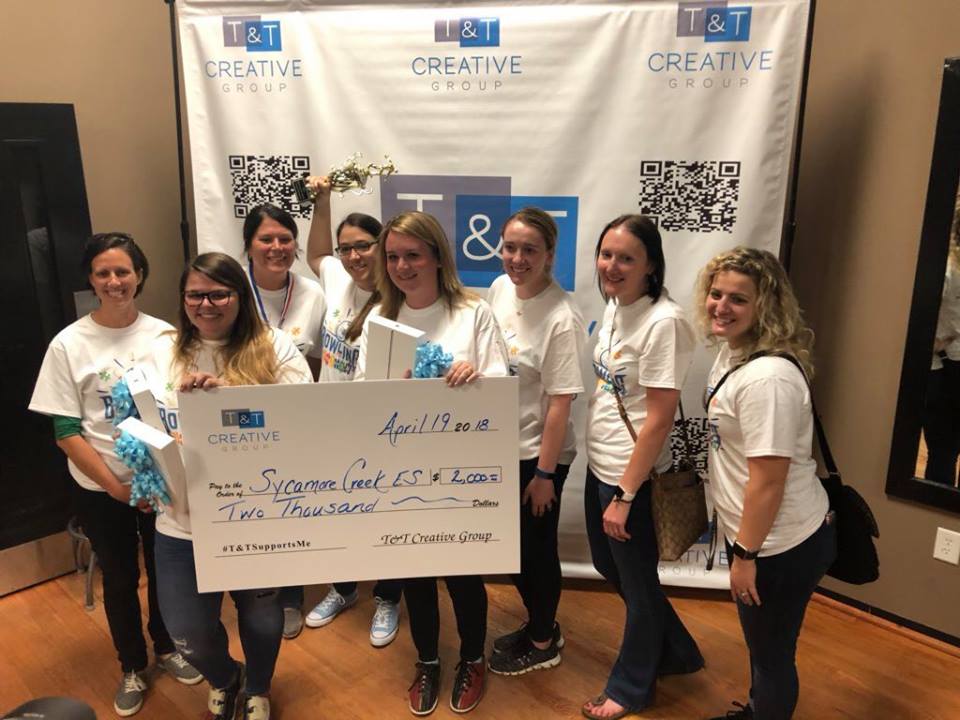
Inclusive bowling programs, such as those offered by autism advocacy groups, take this a step further by creating environments where autistic individuals can bowl without fear of judgment or exclusion. These programs often pair bowling with social skills workshops, where players can practice turn-taking, communication, and emotional regulation in a supportive setting. The result is more than just a game—it’s a community where everyone belongs, where differences are celebrated, and where the act of bowling becomes a symbol of connection and growth.
Ultimately, the power of bowling lies in its simplicity. It’s a game that requires no prior experience, no complex rules, and no pressure to conform. It’s a space where mistakes are part of the process, where progress is measured in small victories, and where the joy of the game is enough. For autistic individuals, bowling can be more than just a pastime—it can be a tool for growth, a sanctuary for sensory needs, and a bridge to social connection. So the next time you step onto the lanes, consider this: what if the most meaningful interactions aren’t found in grand gestures, but in the quiet, deliberate roll of a bowling ball?