Autism Spectrum Disorder (ASD) is a complex neurodevelopmental condition characterized by differences in social communication and repetitive behaviors. Yet, those diagnosed with autism often experience more than just the primary features of ASD. An intriguing facet lies in the prevalence of co-occurring conditions that accompany autism, weaving an intricate tapestry of overlapping challenges and experiences. Exploring these commonly associated diagnoses not only broadens understanding but also invites deeper reflection on the multifaceted nature of neurodiversity and human development.
Understanding the Landscape of Co-Occurring Conditions
Co-occurring conditions, also known as comorbidities, refer to additional disorders or medical conditions that manifest alongside autism. These are not mere coincidences; rather, they stem from intertwined biological, neurological, and environmental influences that frequently converge in individuals on the spectrum. Such conditions can profoundly impact the prognosis, therapeutic approaches, and the overall quality of life for people with autism.
Recognizing these interconnected challenges is essential for holistic care, as it enables tailored intervention strategies that address the complete picture rather than fragmented symptoms. This synergistic complexity compels us to reconsider simplistic notions of disability and challenges us to appreciate the nuanced interplay within the human brain.
Anxiety Disorders: The Pervasive Underpinning
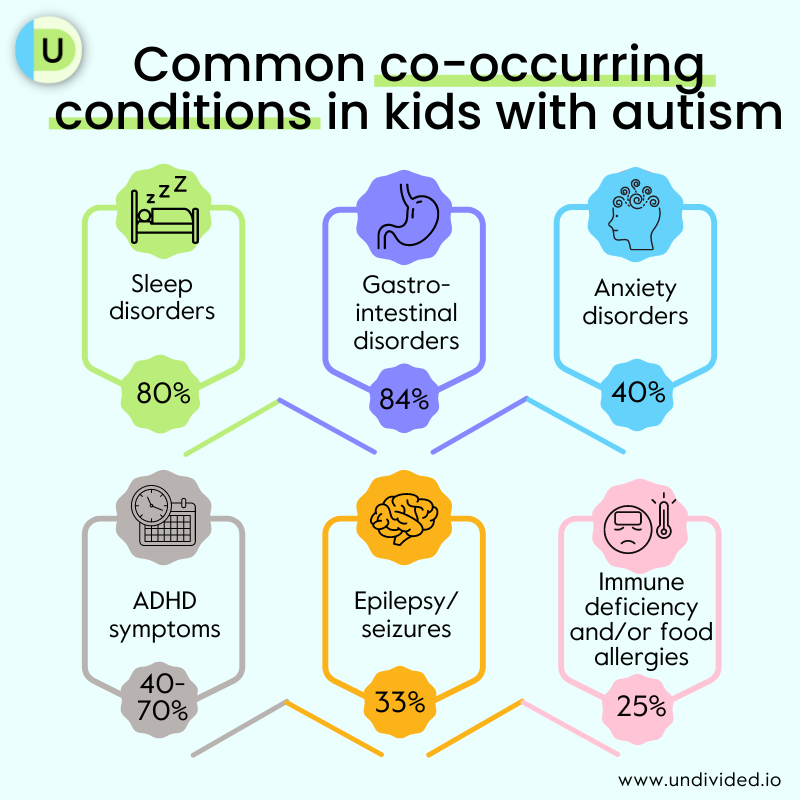
Anxiety disorders represent one of the most frequently observed co-occurring conditions in individuals with autism. The experience of heightened anxiety may manifest as generalized anxiety, social anxiety, or specific phobias. The rigidity and social ambiguity intrinsic to autism can precipitate increased stress responses, amplifying feelings of apprehension and restlessness.
This anxiety is not merely a reaction to external pressures but may be deeply embedded in neural processing differences, leading to hypervigilance and difficulties in emotional regulation. Consequently, interventions often require nuanced approaches combining behavioral therapy with mindfulness techniques to mitigate the pervasive sense of unease.
Attention Deficit Hyperactivity Disorder (ADHD): A Complex Confluence
Another prevalent companion to autism is Attention Deficit Hyperactivity Disorder. The overlap between autism and ADHD encompasses shared difficulties with executive functioning, impulsivity, and attention regulation. This convergence presents diagnostic challenges as symptoms may mask or mimic one another, obscuring precise clinical delineation.
Individuals navigating both autism and ADHD often confront amplified hurdles in maintaining focus, organizing tasks, and modulating behavior. This confluence necessitates integrated therapeutic modalities that simultaneously address sensory processing sensitivities and attentional deficits, ensuring a comprehensive and adaptable support system.
Epilepsy: Neurological Overlaps and Risk Factors
The intersection of epilepsy and autism reveals compelling insights into neurological vulnerability. Epilepsy, characterized by recurrent seizures, occurs with a significantly higher prevalence in those with autism compared to the general population. The underlying etiologies may involve aberrant neural connectivity and excitability, pointing to shared pathophysiological substrates.
Seizure management in autistic individuals demands heightened vigilance due to the potential compounding effects on cognitive function and behavior. Early identification and intervention serve as critical factors in improving developmental trajectories and minimizing comorbid complications.

Intellectual Disability and Learning Differences
A significant subset of individuals with autism also meet criteria for intellectual disability, which encompasses limitations in intellectual functioning and adaptive behaviors. While intellectual ability varies widely across the spectrum, the coexistence with cognitive impairments can exacerbate challenges in communication, self-care, and academic achievement.
Furthermore, specific learning disorders often coexist, complicating educational and developmental support. Addressing these elements demands a multidisciplinary approach, integrating special education services, cognitive therapy, and family-centered interventions to foster empowerment and skill acquisition.
Gastrointestinal Issues: The Hidden Physical Burden
Physical health conditions are frequently overshadowed by behavioral and developmental concerns, yet gastrointestinal (GI) problems represent one of the most common somatic co-occurrences. Symptoms such as constipation, diarrhea, and abdominal pain are disproportionately reported in autistic individuals, sometimes correlating with heightened irritability and behavioral disruptions.
The etiology of these GI disturbances may relate to immune system dysregulation, altered gut microbiota, or sensory sensitivities affecting diet and digestion. Comprehensive care must integrate medical evaluation alongside behavioral strategies to ameliorate discomfort and enhance overall wellbeing.
Sensory Processing Differences and Psychiatric Disorders
Beyond formal diagnoses, sensory processing differences in autism frequently overlap with psychiatric conditions such as depression and obsessive-compulsive disorder (OCD). These sensory sensitivities can heighten stress and exacerbate mood dysregulation. The complex relationship between sensory experiences and emotional health illustrates the depth of interconnection among co-occurring conditions.
Psychiatric comorbidities often require specialized therapeutic approaches, including cognitive-behavioral therapy adapted to sensory needs, pharmacological treatments, and environmental modifications. Understanding these subtleties enriches the capacity to support mental health in autistic individuals.
Conclusion: The Imperative of Holistic Recognition
The common co-occurring conditions born from within the landscape of autism illuminate a broader narrative about the human brain’s diversity and resilience. These entwined challenges invite a paradigm shift—one that embraces complexity rather than reductionism, and advocates for comprehensive, individualized care. Recognizing the multifarious nature of co-occurring conditions allows caregivers, clinicians, and society to foster environments where those on the spectrum can thrive, not merely survive.
In contemplating the intricate mosaic of autism and its co-travelers, we uncover a profound testament to neurodiversity’s richness. Each layer of comorbidity is not just a clinical burden but an opportunity to deepen empathy, refine practice, and reimagine support systems that honor the wholeness of every individual.