In the ever-evolving landscape of neurodiversity, the autism spectrum emerges as a vast and intricate continuum, defying simplistic categorization. Understanding where your child fits within this spectrum requires more than just a clinical diagnosis; it invites a profound reassessment of perspectives, challenges preconceived notions, and opens the door to a nuanced appreciation of individuality. The journey through these layers of autism is not merely about labels but about the rich tapestry of strengths, difficulties, and potentials that make each child uniquely human.
Decoding the Complexity of the Autism Spectrum
Autism Spectrum Disorder (ASD) embodies a heterogeneous group of neurodevelopmental conditions characterized by variable patterns of social communication differences and restricted or repetitive behaviors. However, to distill this vast range into simplistic binaries does a disservice to its intricate nature. The spectrum is not linear but rather multidimensional, encompassing a spectrum of severities, cognitive abilities, and adaptive functioning. Each diagnosis reflects a constellation of symptoms that manifest uniquely in every individual.
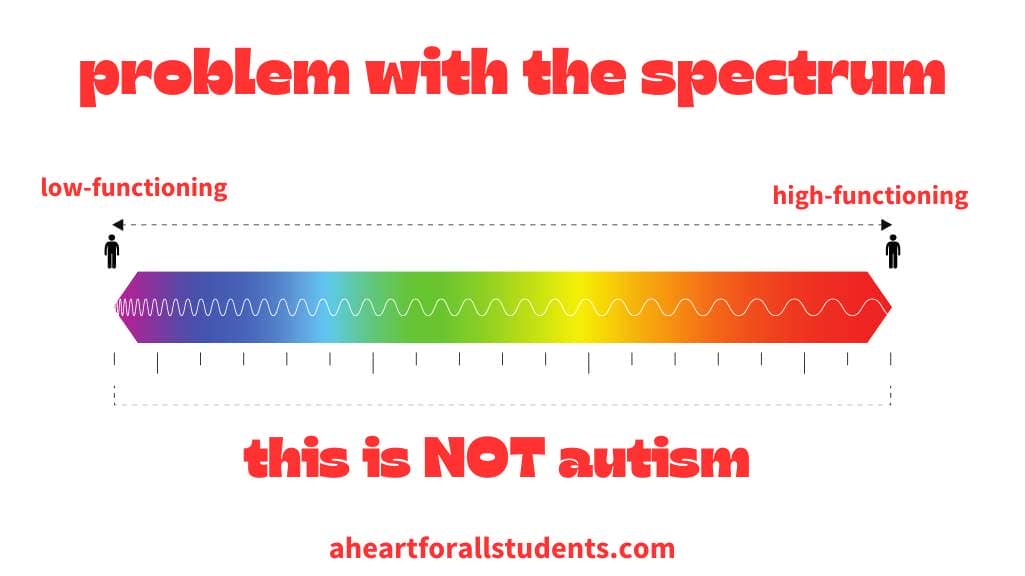
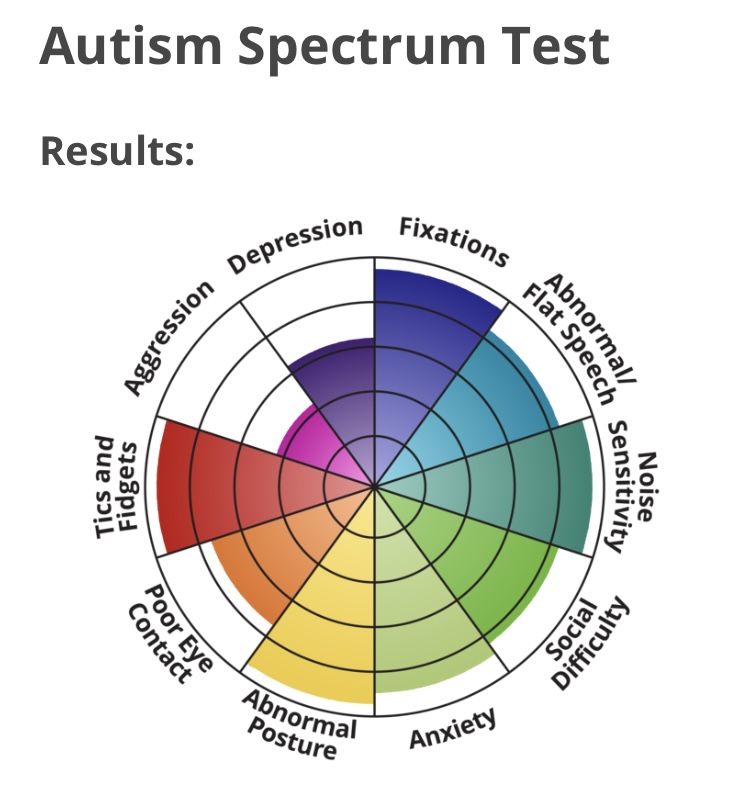
The autism spectrum wheel, a symbolic depiction of this diversity, underscores the myriad characteristics that blend and diverge across individuals. It invites caretakers and professionals alike to abandon rigid expectations and instead embrace a fluid understanding of autism that reflects real-world complexities.
Severity Levels: Navigating the Spectrum’s Intensity
Within the spectrum, severity is often segmented into three broad levels, each delineating the intensity of behavioral challenges and the degree of support required. These levels provide a framework that aids in crafting personalized intervention plans but should never be misconstrued as a measure of worth or potential.
- Level 1: Individuals require support but generally possess greater independence. Social challenges and repetitive behaviors are present yet more manageable.
- Level 2: Requires substantial support, with noticeable difficulties in verbal and non-verbal communication as well as more pronounced repetitive behaviors.
- Level 3: Demands very substantial support due to severe deficits in communication and behavior, often necessitating comprehensive assistance in daily activities.
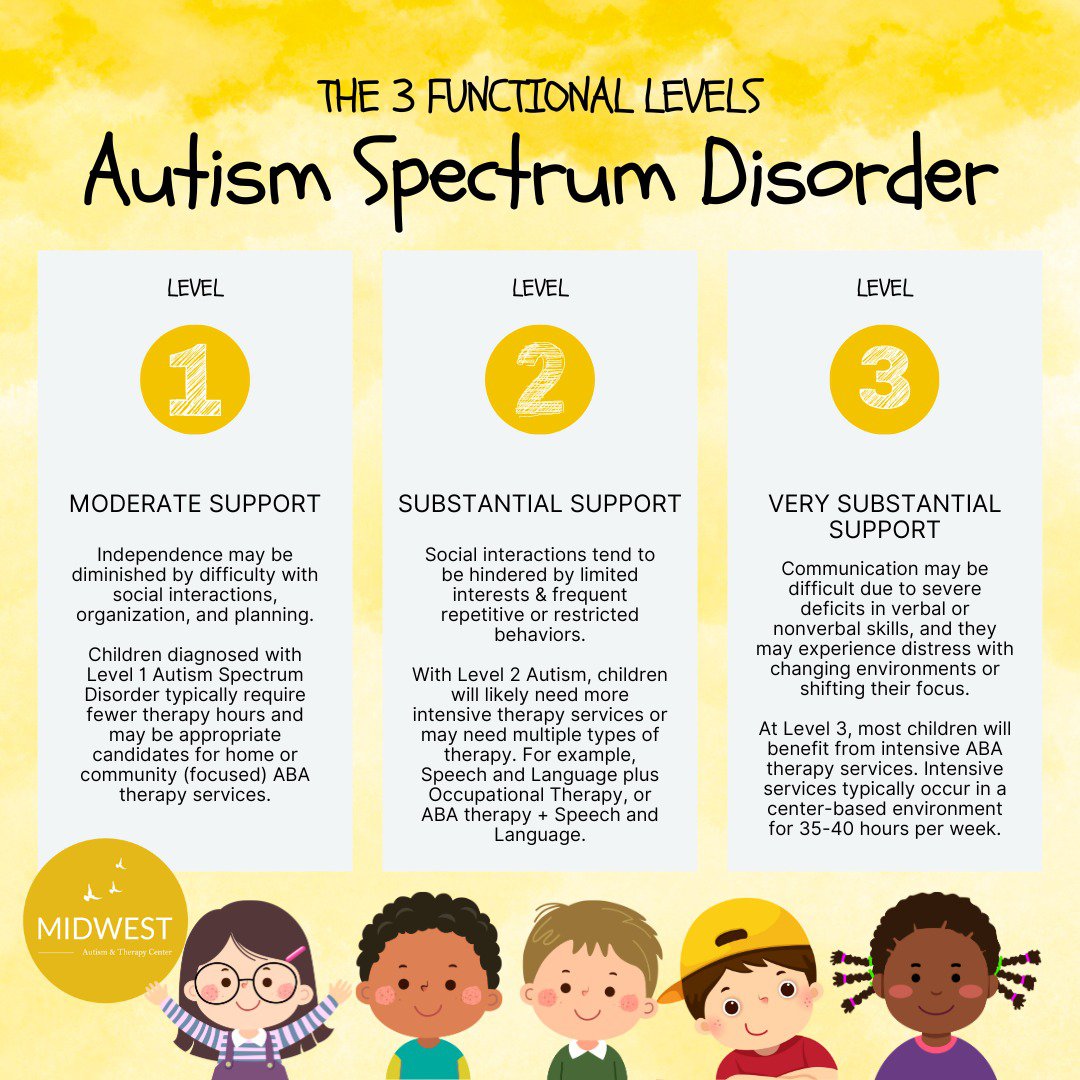
Understanding these levels facilitates a pragmatic approach in recognizing the distinct needs your child may have at various developmental milestones. Yet, the essence lies in appreciating each child’s evolving capabilities and potential beyond a numerical classification.
The Paradox of Uniqueness: No Two Journeys Are Identical
One of the most compelling truths about autism is its paradoxical uniformity within diversity. Despite shared diagnostic criteria, no two children’s experiences are identical. Some children may exhibit heightened sensory sensitivities; others might excel in pattern recognition or possess exceptional memory retention. These idiosyncrasies underscore the importance of individualized assessment and bespoke educational or therapeutic strategies.
Furthermore, it challenges caregivers and educators to transcend deficit-based perspectives and nurture strengths, cultivating environments where children flourish not in spite of their differences but because of them.
Beyond Labels: Embracing Neurodiversity
The paradigm is shifting. The narrative surrounding autism is moving away from a purely medical model focused on “deficits” toward one that venerates neurodiversity—a celebration of the spectrum of human cognition and sensory processing. This transformation invites a reframing of questions: Instead of “Where does my child fit within a clinical spectrum?” the inquiry becomes “How can we support my child’s unique neurological profile to thrive and contribute?”
Recognizing autism as an integral aspect of human diversity fosters inclusivity and diminishes stigma. It advocates for systems and communities that adapt to diverse needs rather than compelling conformity.
Practical Implications: Tailoring Support and Advocacy
Locating your child’s position on the spectrum is not an end but a beginning. Accurate diagnosis informs intervention strategies encompassing behavioral therapies, speech and language support, occupational therapy, and social skills training, all designed to enhance functionality and quality of life. However, interventions must be collaborative, culturally sensitive, and adaptive to dynamic developmental changes.
Equally important is the role of advocacy—within schools, medical systems, and communities—ensuring access to resources and accommodations while promoting environments where autistic children feel safe, understood, and empowered.
Fostering Resilience and Flourishing
Autism’s hallmark challenges can be mitigated through early and sustained support. Yet, beyond mitigation lies the potential for genuine flourishing. Many individuals on the spectrum demonstrate remarkable talents in art, mathematics, technology, and beyond. Their unique perspectives often catalyze innovation and enrich societal fabric in unforeseen ways.
Parents play an integral role not only as caregivers and advocates but as champions of their child’s intrinsic worth, resilience, and boundless possibilities.
Embarking on the journey of understanding where your child fits within the autism spectrum demands patience, open-mindedness, and a readiness to embrace complexity. It challenges traditional frameworks and invites a refreshing perspective—one that sees beyond diagnostic constraints and celebrates the mosaic of human neurodiversity. Where your child fits is but one aspect of a compelling narrative, rich with potential and waiting to unfold.