Have you ever wondered how a simple gesture can ripple out and transform societal understanding? As Autism Awareness Month 2026 approaches, many may feel the call to participate but hesitate, daunted by the perceived enormity of the task. How can one person make an impact in illuminating the experiences of autistic individuals within a complex, often misunderstood spectrum? This question, playful yet profound, invites us into a journey of engagement, empathy, and education. Embracing the challenge, let us explore practical and meaningful avenues to contribute to this vital cause.
Understanding the Essence of Autism Awareness Month
Autism Awareness Month is dedicated to fostering greater comprehension of autism spectrum disorder (ASD) and celebrating neurodiversity. It is not simply about recognizing challenges but embracing the diverse cognitive profiles and talents of autistic individuals. Its mission transcends awareness; it strives for inclusion, acceptance, and actionable support within communities worldwide.
Recognizing the distinction between awareness and acceptance is pivotal. Awareness is the first step, shining a light on autism’s realities. Acceptance embodies a deeper societal transformation—valuing autistic voices, dismantling stigmas, and creating environments where everyone can thrive authentically.

Wear Your Support: The Power of Symbolism
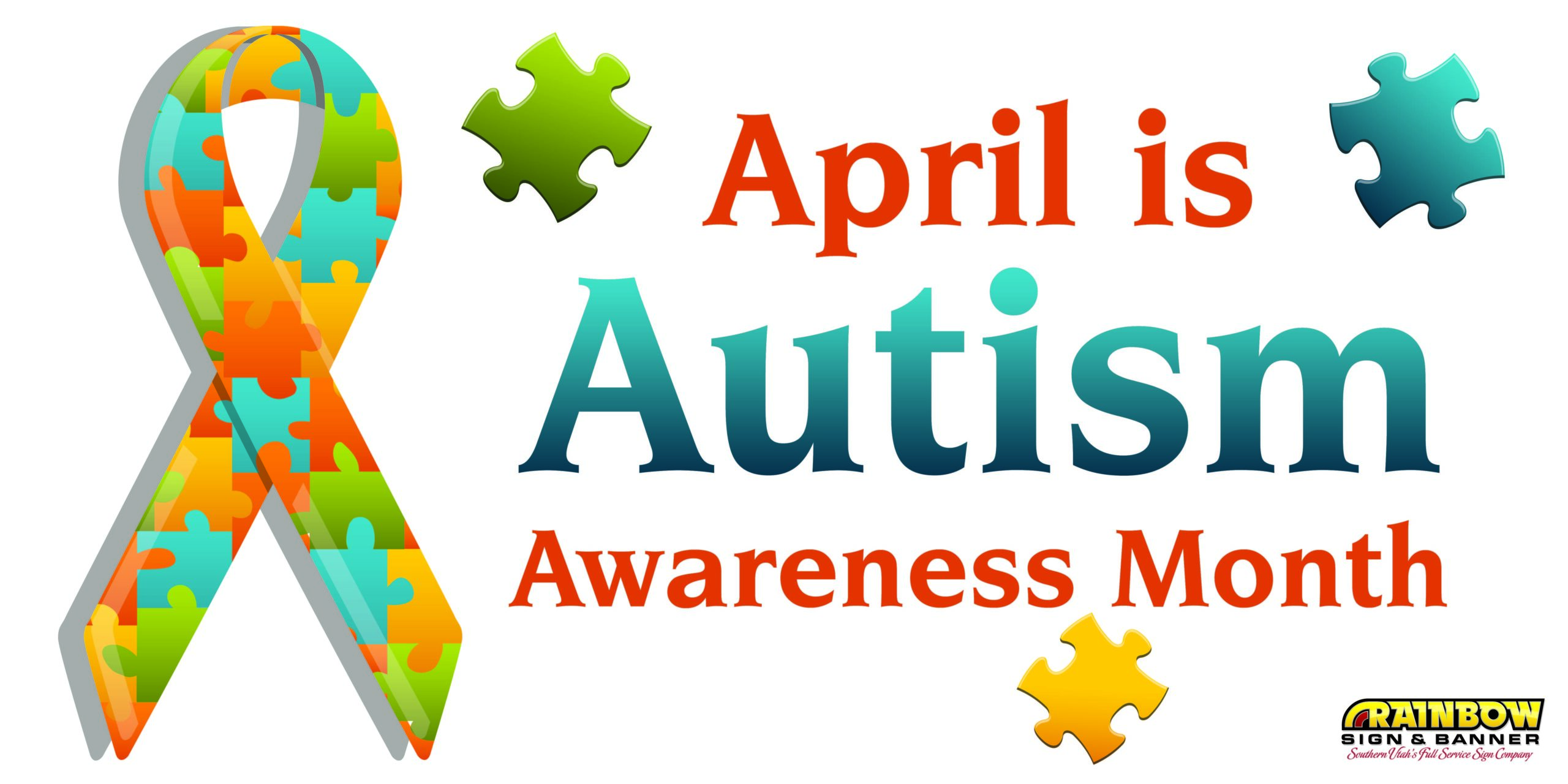
One of the simplest yet most immediate ways to participate is through symbolic gestures. The puzzle piece and the color blue have become emblematic of the autism community, often worn or displayed in April. While symbols may seem superficial, they serve as visual catalysts for dialogue, prompting questions and awareness in everyday interactions.
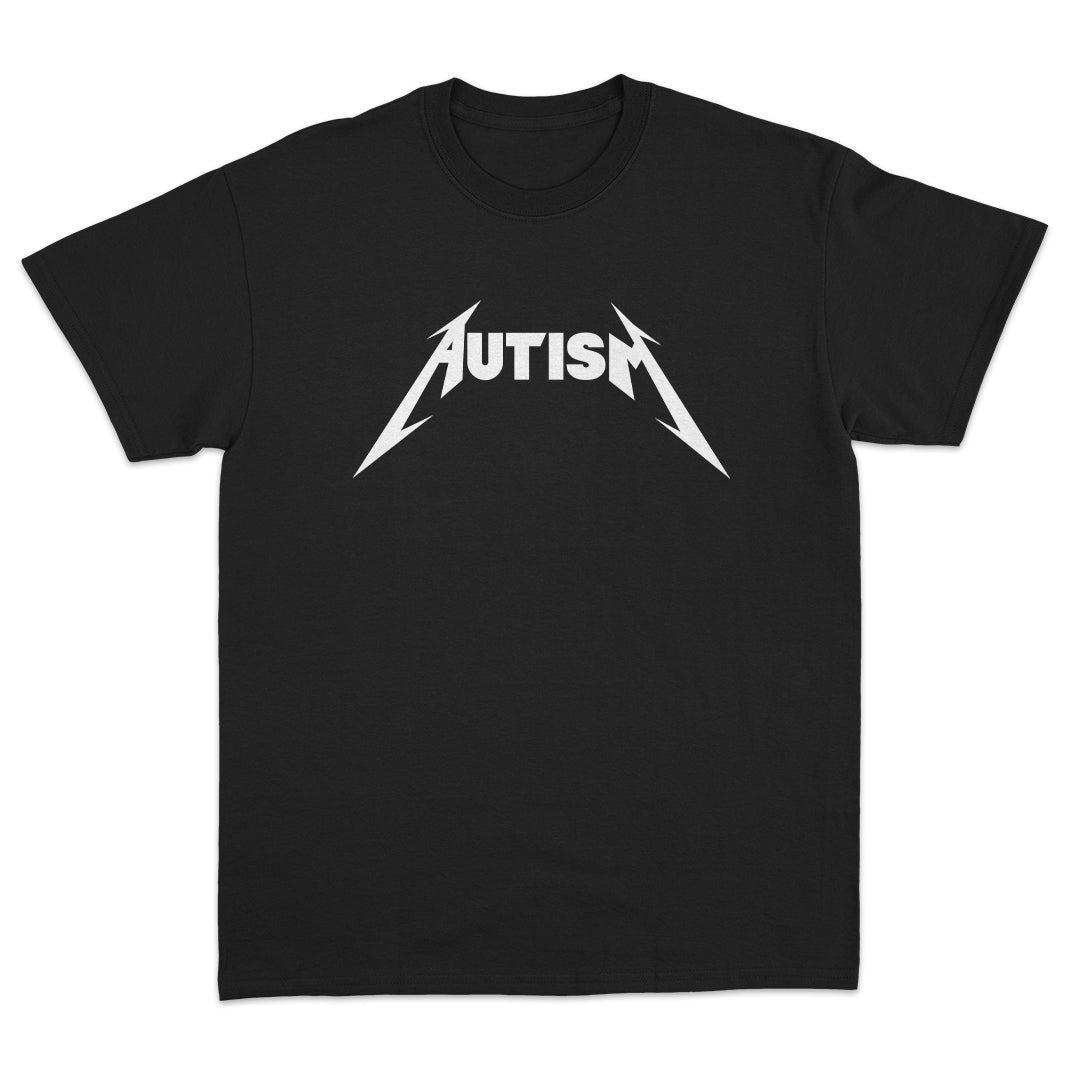
Consider donning an autism-themed bracelet, pin, or T-shirt during the month. These items transcend mere decoration; they ignite conversations and signal solidarity. Donation proceeds from many of these goods frequently funnel back into research, advocacy, and support services, amplifying your impact beyond the symbolic.
Educating Yourself and Others: Knowledge as Empowerment
To meaningfully support autism awareness, one must first cultivate an informed perspective. Dive into reliable resources, attending webinars or reading stories penned by autistic authors. These firsthand narratives provide invaluable insights, enriching your understanding far beyond clinical descriptions.
Moreover, share this knowledge within your spheres of influence—whether at work, school, or social gatherings. Host discussions, share articles on social media, or initiate workplace training sessions focused on neurodiversity and inclusion. Education dismantles ignorance, dispels myths, and fosters empathy.
Engage in Community Events and Advocacy
Community involvement anchors awareness campaigns in real-world change. Many organizations orchestrate walks, fundraisers, panel discussions, and workshops during Autism Awareness Month. These activities not only raise funds but create platforms for autistic individuals to voice their experiences directly.
Participating in these events delivers a dual benefit: you contribute to the community and immerse yourself within it. Volunteering your time or resources is a practical avenue that yields tangible results, whether it’s supporting local autism centers or national advocacy groups.

Leveraging Digital Platforms for Greater Reach
In the digital era, social media becomes a potent venue for awareness. Posting educational content, personal reflections, or spotlighting autism-friendly businesses and resources can amplify the message exponentially. Hashtags like #AutismAwarenessMonth and #LightItUpBlue help connect individuals globally in a unified campaign.
Create or curate content that challenges stereotypes and emphasizes neurodiversity’s strengths. Mindful engagement online also involves listening—following autistic voices and advocating for respectful, accurate representations.
Supporting Autism-Friendly Policies and Practices
Beyond awareness lies the vital realm of advocacy for systemic change. This can involve championing policies that enhance accessibility in education, employment, healthcare, and public spaces. Engage with local legislators or school boards by attending meetings, writing letters, or participating in advocacy days.
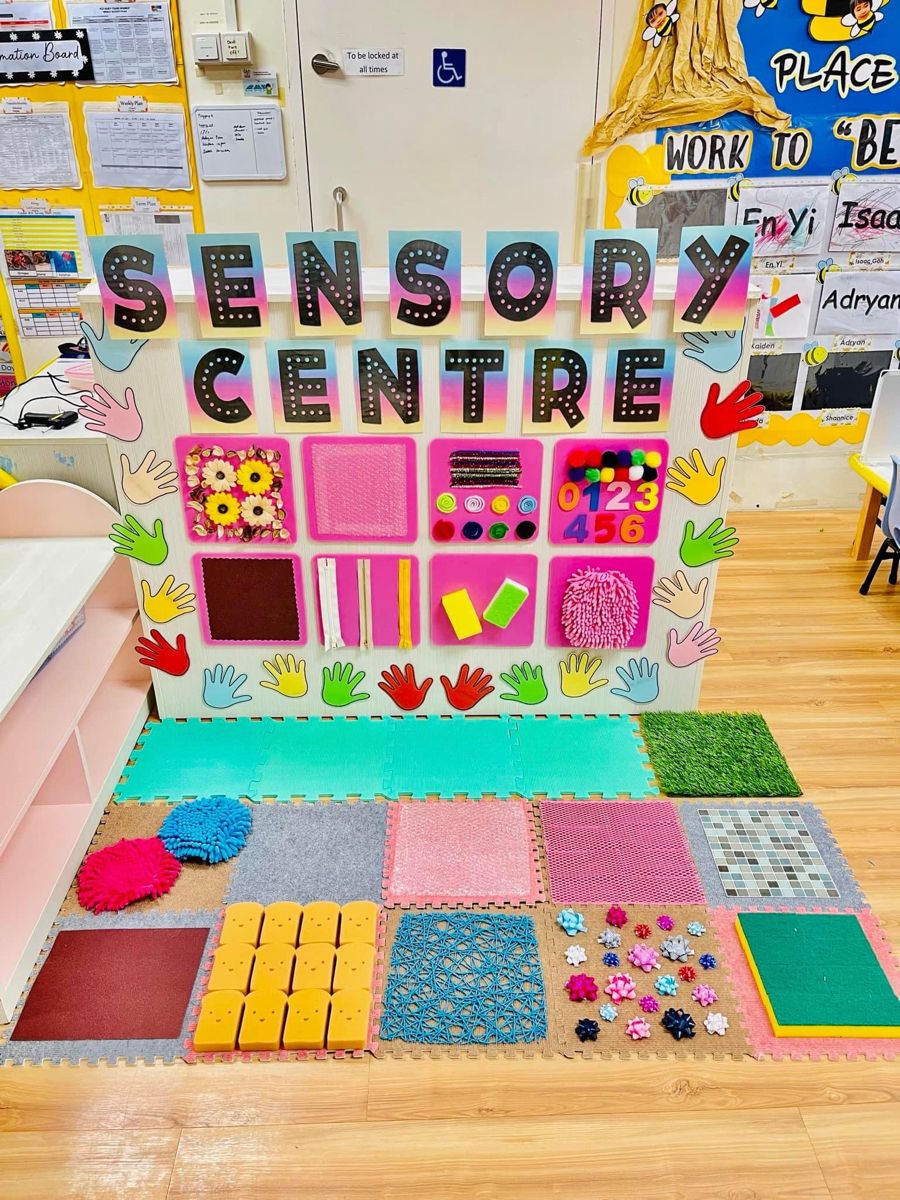
Encouraging workplaces to adopt autism-friendly hiring practices and creating sensory-friendly environments are steps that translate awareness into everyday inclusivity. Support organizations that lobby for these changes, ensuring long-term societal benefits.
Incorporating Inclusivity into Daily Life
True support for autism awareness flourishes when it permeates daily routines and attitudes. Small adaptations—such as practicing patience, avoiding assumptions, and fostering clear, compassionate communication—make a profound difference for autistic individuals in your immediate circles.
Whether as a neighbor, educator, employer, or friend, cultivating an inclusive mindset is a continuous act of allyship. This may involve modifying social activities to be sensory-friendly or advocating for varied learning approaches in educational settings.
As Autism Awareness Month 2026 beckons, the challenge lies not only in recognizing the cause but in embodying acceptance through deliberate actions. Participation need not be grandiose—it flourishes in the cumulative effect of countless small gestures, informed interactions, and committed advocacy. By engaging wholeheartedly and creatively in this month of reflection and celebration, you contribute to a world where neurodiversity is not merely acknowledged but embraced. How will you answer the call?