Supporting an autistic friend or family member requires more than cursory understanding; it calls for a transformational perspective—a commitment to seeing the world through a lens that respects neurodiversity’s intricate fabric. This enriched viewpoint invites us to step beyond assumptions and nurture meaningful connections rooted in empathy and respect. As you navigate these ten profound ways to offer support, prepare to challenge preconceived notions and reimagine what it truly means to foster inclusion and compassion.
1. Embrace Neurodiversity and Abandon Stereotypes
The first and perhaps most pivotal shift is to reject reductive stereotypes about autism. Autistic individuals are not monolithic, and their experiences transcend simplistic labels. Embracing neurodiversity means recognizing the vast spectrum of abilities, challenges, and personalities that constitute the autistic experience. This mindset encourages authentic appreciation rather than superficial tolerance, paving the way for deeper understanding.

2. Listen With Intent and Patience
True support emerges from listening—not merely hearing words but absorbing the underlying emotions and perspectives. Many autistic individuals communicate uniquely, whether through verbal language, gestures, or alternative modes. Cultivating patience allows space for these expressions to unfold naturally, granting autonomy over their narrative. This careful attention can reveal nuanced truths and foster trust.
3. Educate Yourself Continuously
Knowledge is a dynamic ally. Avoid the temptation to assume you know everything after cursory research. Autism is a complex condition with evolving understandings. Engage with current literature, attend workshops, or explore firsthand accounts from autistic voices. This continuous education enriches your capacity to provide insightful and appropriate support, signaling respect and commitment.
4. Create Sensory-Sensitive Environments
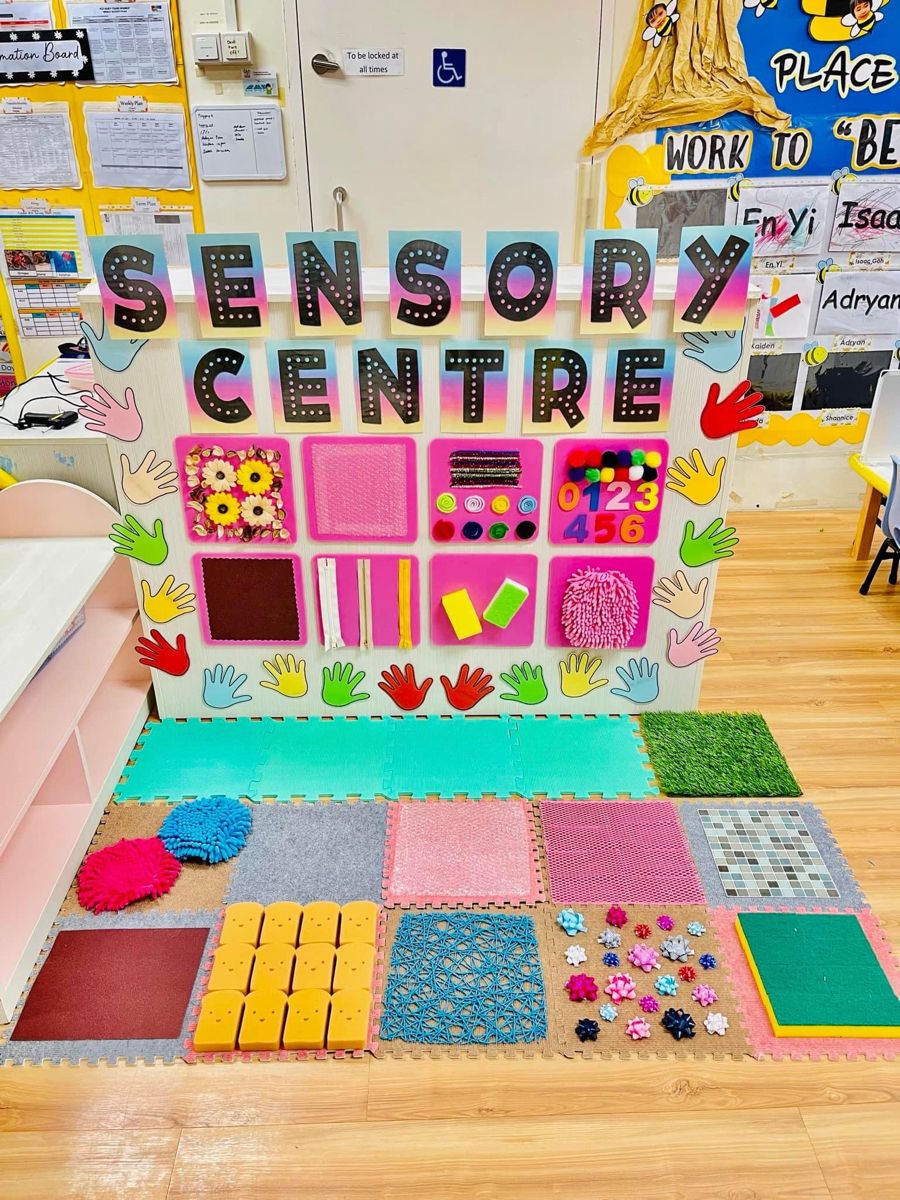
Autistic individuals often experience sensory inputs differently—a seemingly innocuous sound or light can be overwhelming. Proactively adapting environments to minimize sensory overload can alleviate distress significantly. This might involve controlling noise levels, dimming lights, or providing quiet spaces. Such considerations demonstrate attentiveness to their well-being in tangible ways.
5. Respect Boundaries and Communication Preferences
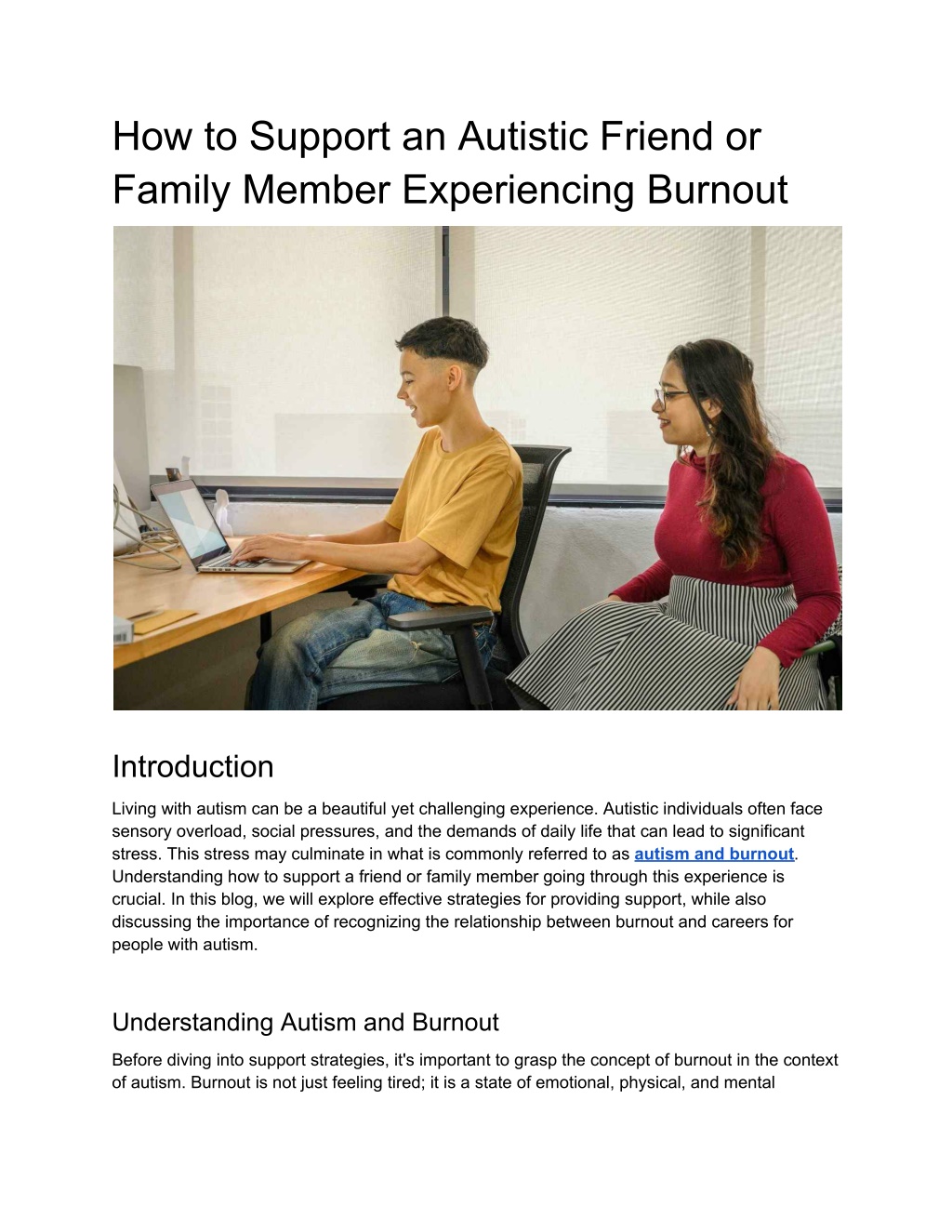
Boundaries are sacrosanct. Intruding on someone’s space, pushing for eye contact, or expecting stereotypical social norms can be counterproductive. Instead, inquire respectfully about their preferred modes of interaction and honor those preferences, whether that involves written communication, use of assistive technology, or time to process information. This respect fosters psychological safety.
6. Offer Practical Support Without Overstepping
Support often lies in the practical details—assisting with tasks or routines that may prove challenging. However, it’s imperative to calibrate this assistance carefully to avoid smothering independence. Offer help as a discreet option that your friend or family member can accept or decline. This nuanced approach affirms empowerment rather than dependency.
7. Celebrate Their Strengths and Achievements
Autism does not preclude brilliance or success—rather, it often accompanies unique talents and perspectives. Recognize and celebrate these strengths openly. Affirmations grounded in authentic appreciation can bolster self-esteem and deepen relational bonds. This shift from deficit-focused thinking to strength-oriented recognition is transformative.
8. Advocate When Necessary and Appropriate
Sometimes support involves stepping beyond personal interactions to broader advocacy—challenging systemic barriers or misinformation related to autism. However, such advocacy must be guided by the voice and desires of the autistic individual. Acting as an ally, rather than a savior, ensures dignity and aligns with their goals. Together, you can cultivate more inclusive communities.
9. Be Mindful of Mental Health and Emotional Well-being
Autistic individuals are often disproportionately affected by mental health challenges such as anxiety or depression. Being attuned to their emotional landscape and encouraging access to supportive resources when needed is crucial. This vigilance underscores compassion and offers holistic care that transcends surface-level assistance.
10. Foster Autonomy and Encourage Self-Advocacy
Perhaps the most profound support is the encouragement of autonomy and self-advocacy. Empower your friend or family member to speak for themselves, make decisions, and set personal goals. Your role becomes one of facilitation rather than direction. This empowerment catalyzes growth and strengthens your relationship in meaningful ways.
Supporting an autistic friend or family member is not a prescriptive checklist but a continuous journey enriched by empathy, respect, and openness. By embracing these ten approaches, your perspective will inevitably shift—from viewing support as a transaction to experiencing it as a profound act of connection. This transformation not only benefits your loved one but also deepens your own understanding of humanity’s diverse tapestry.