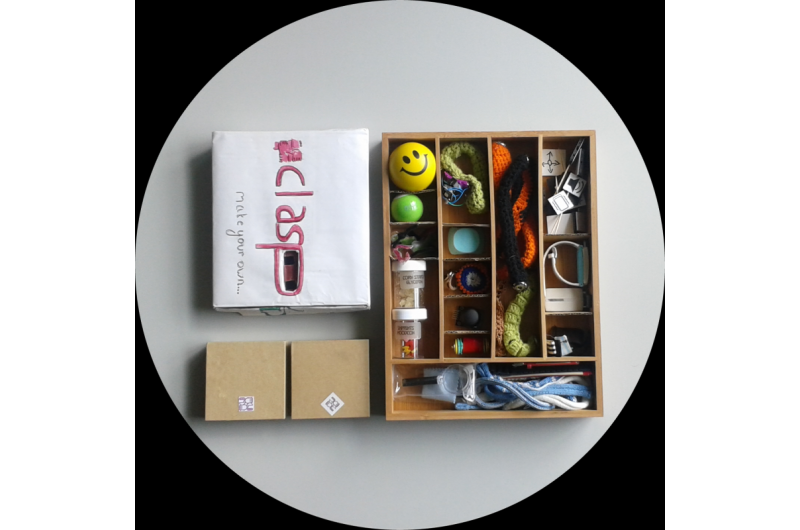
Have you ever wondered what it’s like to navigate a world that feels like a symphony of chaos, where every sound, texture, or flicker of light demands your attention? For individuals with autism, sensory experiences can be overwhelming, unpredictable, and exhausting. But what if technology could step in—not just as a tool, but as a silent ally, helping to decode and manage these sensory signals in real time? Enter the realm of wearable tech, where innovation meets empathy, and the future of autism support is being rewritten one sensor at a time.
Imagine slipping into a vest that gently hugs your torso, its fabric embedded with micro-sensors that detect your heart rate, breathing patterns, and even subtle shifts in movement. This isn’t science fiction; it’s the reality of sensory compression vests, designed to provide deep-pressure stimulation—a calming, grounding effect that mimics the reassurance of a warm embrace. For many autistic individuals, such tactile feedback can be a lifeline, reducing anxiety and helping them regain control over their environment. But how does this wearable tech actually work, and what challenges does it pose in its quest to bridge the gap between sensory overload and equilibrium?
The Science Behind Sensory Wearables: Decoding the Body’s Signals
At the heart of sensory wearable technology lies a fusion of biometrics and behavioral science. Devices like compression vests, smart wristbands, and even EEG headbands are engineered to monitor physiological cues that often go unnoticed by the naked eye. For instance, a vest equipped with pressure sensors can detect when a user’s body is becoming overstimulated, triggering a gentle squeeze to recalibrate their nervous system. Similarly, wristbands embedded with haptic feedback can alert users to rising stress levels through vibrations, allowing them to take proactive steps before sensory overload takes hold.
But the magic doesn’t stop at physical feedback. Advanced wearables now incorporate AI-driven algorithms that learn an individual’s unique sensory patterns. Over time, these systems can predict when a user might be at risk of sensory distress, offering personalized recommendations—whether it’s taking a break, adjusting their environment, or engaging in a specific calming activity. This proactive approach transforms wearables from passive tools into active partners in sensory management.
The challenge, however, lies in the precision of these systems. Sensory experiences are deeply personal; what soothes one person might agitate another. A vest that delivers the perfect amount of pressure for one individual could feel restrictive or insufficient for another. Developers must strike a delicate balance between customization and usability, ensuring that these devices are adaptable without overwhelming their users with complex settings or invasive data collection.

Beyond Compression: The Multifaceted World of Sensory Wearables
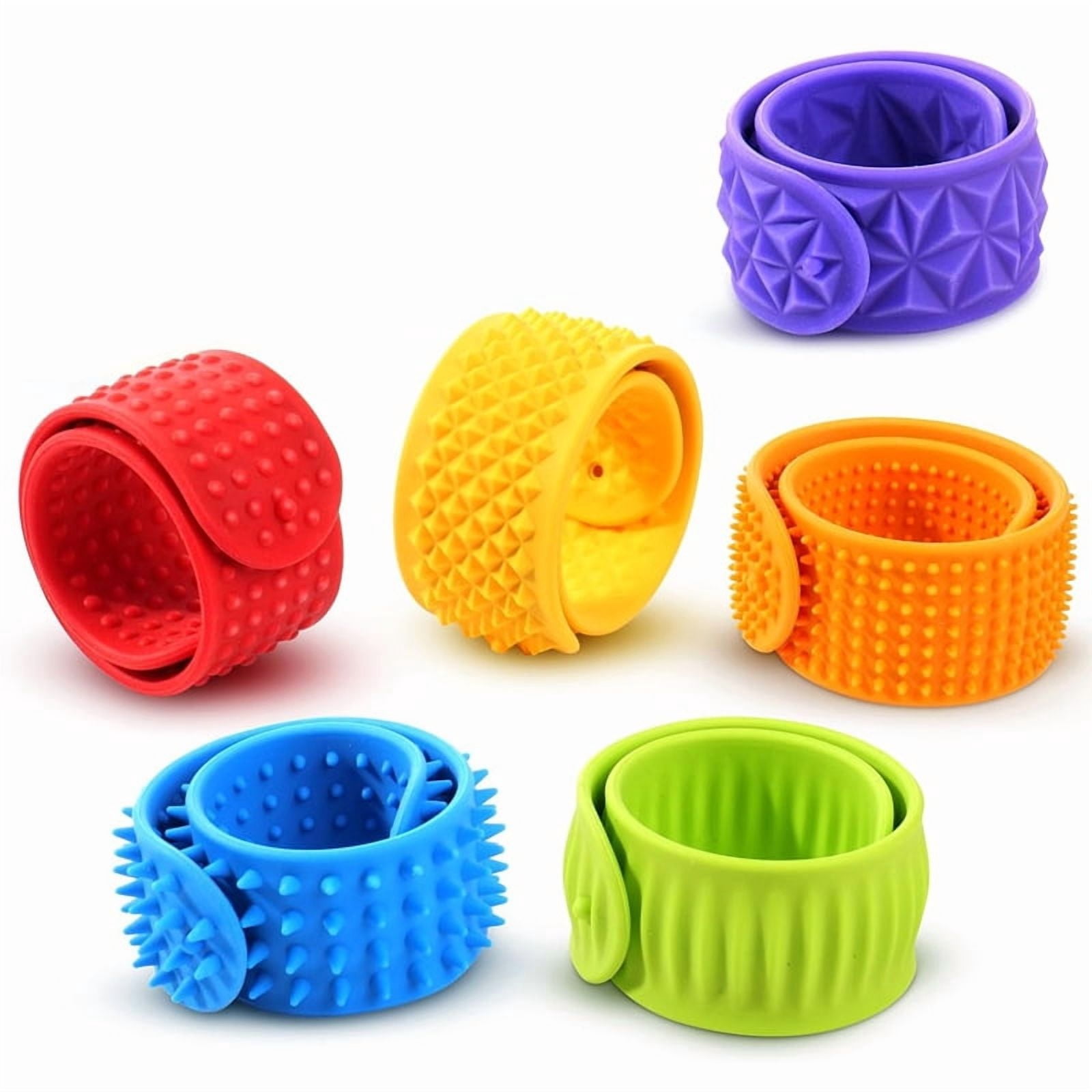
While compression vests dominate the conversation, the landscape of sensory wearables is far more diverse. Enter the realm of fidget wearables—sleek, textured bracelets and rings that allow users to channel restless energy into discreet, tactile play. These aren’t just toys; they’re tools of focus, designed to redirect attention and reduce stress without drawing unwanted attention. For autistic individuals who thrive on movement, these wearables provide a socially acceptable outlet for sensory-seeking behaviors.
Then there are the smart fabrics, woven with conductive threads that monitor physiological data without the bulk of traditional sensors. Imagine a shirt that subtly adjusts its texture based on your body’s signals, offering cooling or warming effects to maintain comfort. Or a pair of socks that vibrate to alert the wearer to changes in gait or balance, helping prevent meltdowns triggered by discomfort. These innovations are redefining what it means to wear technology—not as a cumbersome accessory, but as an extension of the body itself.
The challenge here is accessibility. High-tech wearables often come with a hefty price tag, putting them out of reach for many families. Additionally, the sheer variety of options can be paralyzing. How does one choose between a vest, a wristband, or a smart fabric when each offers distinct benefits? The answer may lie in collaboration—between developers, therapists, and the autism community—to create modular systems that can be mixed and matched based on individual needs.
The Ethical Dilemma: Privacy, Data, and Autonomy
With great technology comes great responsibility—and great concern. Wearable sensors collect a trove of personal data, from heart rate fluctuations to movement patterns. While this information can be invaluable for caregivers and therapists, it also raises critical questions about privacy and consent. Who owns this data? How is it stored, and who has access to it? For autistic individuals, many of whom may struggle with communication, the implications of data sharing are particularly fraught.
Consider a child wearing a sensory vest at school. The device tracks their stress levels and shares alerts with teachers or parents. On one hand, this could prevent a meltdown in a crowded classroom. On the other, it might inadvertently label the child as “high-needs,” altering how others perceive them. The line between support and surveillance is thin, and navigating it requires a nuanced approach—one that prioritizes transparency, user control, and ethical design.
Another ethical consideration is the potential for over-reliance on technology. While wearables can be powerful tools, they should never replace human connection or professional support. The goal isn’t to create a world where autistic individuals are constantly monitored by machines, but rather to empower them with tools that enhance their independence and quality of life. Striking this balance demands ongoing dialogue between technologists, ethicists, and the autism community to ensure that innovation serves, rather than overshadows, human dignity.
The Future of Sensory Tech: A Glimpse into Tomorrow
The trajectory of sensory wearables is nothing short of revolutionary. Picture a future where nanotechnology allows sensors to be seamlessly integrated into clothing, or where augmented reality glasses provide real-time visual cues to help autistic individuals interpret social cues. The possibilities are as limitless as they are exciting. Yet, with innovation comes the responsibility to ensure these advancements are inclusive, accessible, and truly beneficial.
One promising avenue is the integration of wearables with smart environments. Imagine a home equipped with adaptive lighting and sound systems that adjust based on the wearer’s biometric data. A sudden spike in heart rate could trigger the lights to dim and the music to soften, creating a sanctuary of calm. This interconnected ecosystem could extend beyond the home, with public spaces like schools and offices adopting similar technologies to accommodate diverse sensory needs.
The challenge, however, will be in making these systems intuitive and unobtrusive. No one should feel like they’re living in a labyrinth of gadgets. The best wearable tech will fade into the background, its presence felt only when needed, like a trusted friend who knows just when to offer a reassuring squeeze.
Conclusion: A World of Possibilities, One Sensor at a Time
Wearable technology holds the promise of transforming the way autistic individuals experience the world—not by changing their sensory reality, but by giving them the tools to navigate it with greater ease and confidence. From compression vests that offer solace in a hug to fidget wearables that channel restless energy, these innovations are more than just gadgets; they’re lifelines, bridges, and sometimes, silent heroes.
Yet, as we embrace this technological frontier, we must remain vigilant. The true measure of progress isn’t in the sophistication of the devices, but in their ability to empower without encroaching, to assist without overwhelming, and to connect without compromising privacy. The future of autism and wearable tech is not just about monitoring sensory needs—it’s about redefining what it means to be supported, understood, and, above all, free.
So, the next time you see someone wearing a vest that seems to defy the laws of fabric or a bracelet that hums with purpose, remember: you’re not just looking at technology. You’re witnessing a quiet revolution—one that’s rewriting the rules of sensory harmony, one sensor at a time.