Picture this: You’ve spent hours planning the perfect evening out—a candlelit dinner at your favorite restaurant, the kind with soft lighting and a menu that promises culinary bliss. The reservation is confirmed. The anticipation is palpable. But then, the moment arrives. The cacophony of clinking glasses, the hum of overlapping conversations, the scent of garlic and spices wafting through the air—suddenly, it feels less like a romantic interlude and more like an ambush of sensory overload. For someone with autism, this scenario isn’t just a hypothetical; it’s a daily reality that can turn a simple meal into a daunting expedition.
Restaurant dining, with its unpredictable lights, sounds, and social expectations, can be a minefield for individuals on the autism spectrum. Yet, with a little forethought and creativity, it’s possible to transform this experience from a source of anxiety into one of enjoyment. Whether you’re a parent, caregiver, or someone navigating the world of autism firsthand, understanding the nuances of dining out can make all the difference. So, how do we bridge the gap between the sensory chaos of a restaurant and the comfort of a meal shared in peace?
The Sensory Symphony: Why Restaurants Can Feel Like a Storm
Restaurants are designed to be immersive spaces—vibrant, loud, and visually stimulating. For neurotypical individuals, this environment is part of the charm. But for someone with autism, the same features can feel overwhelming. The flickering overhead lights might resemble strobe effects. The clatter of dishes could sound like a percussion section gone rogue. Even the texture of certain foods might trigger tactile sensitivities. It’s not just about preference; it’s about the brain processing these stimuli in a way that feels intense, even painful.
Consider the concept of sensory defensiveness, where the nervous system reacts strongly to seemingly ordinary inputs. A child with autism might recoil from the feel of a napkin against their skin or the sound of a waiter’s voice rising above the background noise. These reactions aren’t willful defiance; they’re the body’s way of trying to regain control in an environment that feels chaotic. Recognizing this isn’t about coddling—it’s about empathy. It’s about asking: What if the world’s background noise is someone else’s white noise?
Moreover, the social dynamics of dining out add another layer of complexity. Ordering from a server, making eye contact, or even navigating the unspoken rules of tipping can feel like deciphering an ancient code. For those who struggle with social cues, the pressure to perform in this setting can be paralyzing. The key lies in reframing the experience—not as a test of social endurance, but as an opportunity to create a tailored, comfortable interaction.
Preparation: The Unsung Hero of Stress-Free Dining
They say that luck favors the prepared, and in the world of autism-friendly dining, preparation isn’t just helpful—it’s essential. Before stepping into a restaurant, take time to scout the location. Many establishments now offer virtual tours or detailed photos on their websites, allowing you to familiarize yourself with the layout. Will the seating be in a quiet corner or near the kitchen? Is there a separate entrance to avoid the bustle of the main dining area? These small details can significantly reduce anxiety.
Another powerful tool is the social story, a personalized narrative that outlines what to expect during the dining experience. For a child, this might include illustrations of walking into the restaurant, sitting at a table, and ordering food. For an adult, it could be a step-by-step guide to navigating the menu or communicating dietary needs. Social stories demystify the process, turning the unknown into the familiar. They’re not about scripting every moment but about providing a roadmap for what’s to come.
Timing also plays a crucial role. Opting for off-peak hours—early dinners or weeknight visits—can mean the difference between a serene meal and a sensory onslaught. Some restaurants even offer sensory-friendly dining hours, where they dim the lights, reduce noise, and eliminate flashing screens. These accommodations aren’t just gestures; they’re lifelines for those who need them.
 Families who prioritize preparation often find that their dining experiences become more enjoyable, not just bearable.
Tools of the Trade: Sensory and Communication Aids
In the quest for a smoother dining experience, the right tools can act as a bridge between discomfort and comfort. Noise-canceling headphones, for instance, can be a game-changer for those sensitive to auditory overload. They don’t block out the world entirely but create a buffer, allowing the wearer to control their auditory environment. Similarly, fidget toys or textured objects can provide tactile comfort, giving restless hands something to focus on besides the overwhelming stimuli around them.
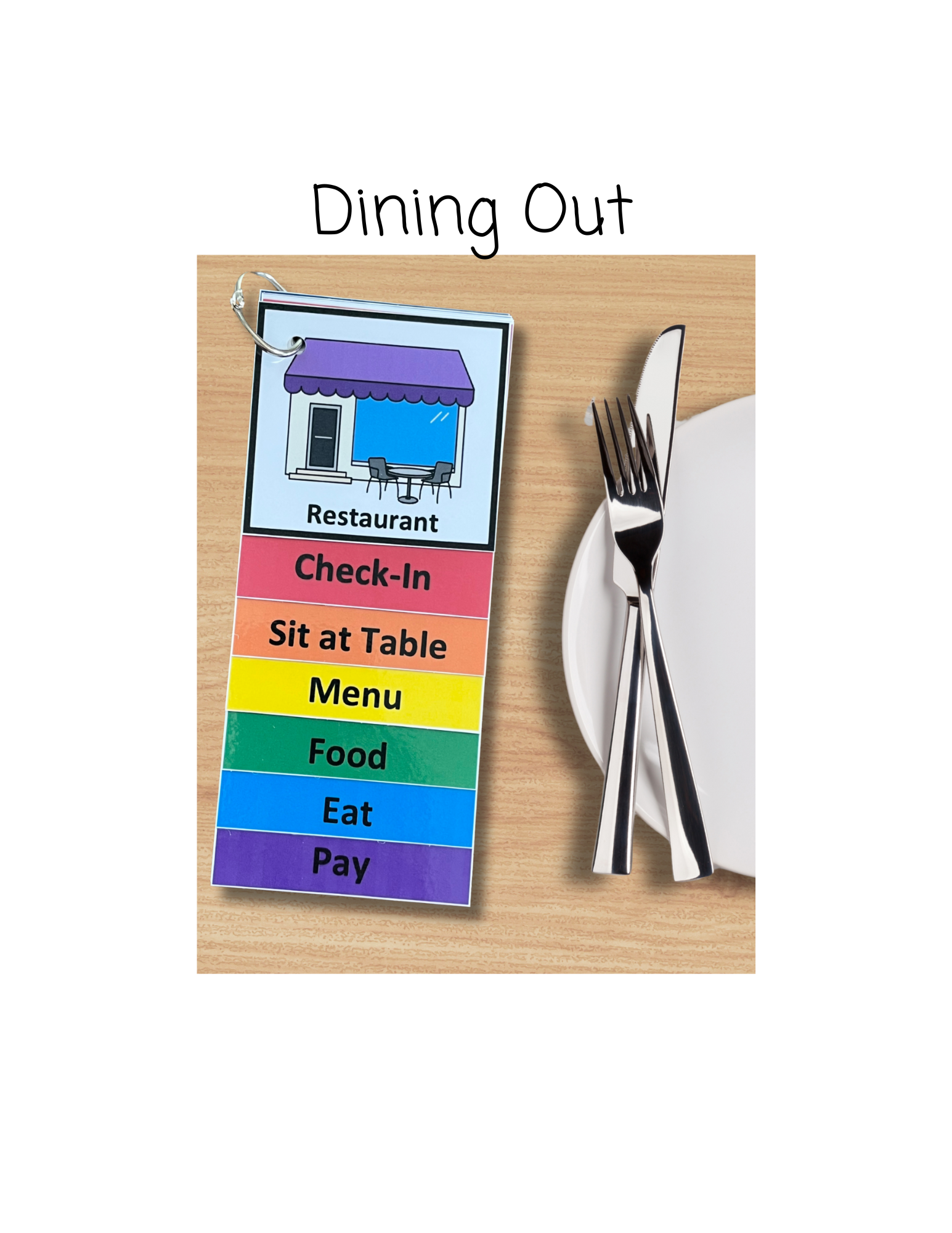
Communication aids are equally vital. Picture cards with images of common menu items can simplify the ordering process, especially for non-verbal individuals. Alternatively, a simple visual schedule can outline the steps of the meal—from seating to eating to leaving—helping to ground the experience in predictability. For those who use augmentative and alternative communication (AAC) devices, having these tools on hand ensures that their needs are met without the pressure of verbalizing in a noisy environment.
Even the choice of restaurant can be a tool in itself. Establishments with outdoor seating, for example, offer a quieter alternative to the indoor chaos. Buffet-style restaurants, while not ideal for everyone, allow individuals to control their portion sizes and avoid the stress of waiting for a server. The goal isn’t to eliminate all challenges but to stack the odds in favor of a positive experience.
The Art of Advocacy: Communicating Needs with Confidence
Advocacy isn’t about making demands; it’s about fostering understanding. When dining out, clear communication with staff can set the tone for a smoother experience. A polite heads-up to the server—“My child has autism and may need a little extra patience”—can make a world of difference. Most restaurant employees are eager to accommodate when given the right cues. They just need to know how.
For those who struggle with verbal communication, alternative methods can be equally effective. A discreet card placed on the table, outlining specific needs (e.g., “Please speak slowly” or “We prefer to sit by the window”), can eliminate guesswork. Some families even create allergy-style cards that detail sensory preferences, ensuring that the staff understands the nuances of the request. The key is to frame these communications as collaborative, not confrontational. After all, the staff’s goal is to provide excellent service—they just need the right information to do so.
It’s also worth noting that advocacy extends beyond the restaurant. If a particular establishment consistently falls short in accommodating needs, providing feedback—whether through reviews or direct communication—can drive change. Many restaurants are eager to improve their inclusivity but may not realize there’s a demand for it. By speaking up, you’re not just helping your own experience; you’re paving the way for others.
Post-Meal Reflection: Learning from the Experience
No two dining experiences are alike, and what works one day might not work the next. That’s why reflection is a critical part of the process. After the meal, take time to discuss what went well and what didn’t. For a child, this might involve drawing pictures or using a simple rating system. For an adult, it could be a journal entry or a conversation with a trusted friend. The goal isn’t to critique but to learn—to identify patterns and adjust strategies accordingly.
Sometimes, the insights gained from reflection can lead to unexpected discoveries. A restaurant that seemed overwhelming at first might become a favorite after a few visits, once the sensory triggers are minimized. Alternatively, a meal that started smoothly might reveal a new challenge, prompting a shift in approach. Flexibility is key. What’s important is not perfection but progress—small steps toward a more enjoyable dining experience.
 The most meaningful dining experiences often come from trial, error, and a willingness to adapt.
Beyond the Restaurant: Building a Culture of Inclusivity
The ripple effects of autism-friendly dining extend far beyond the confines of a single meal. By advocating for sensory-friendly practices, we’re not just making restaurants more accessible—we’re reshaping societal norms. We’re sending a message that everyone deserves to enjoy a meal out, regardless of their sensory or social challenges. This shift in perspective benefits not just individuals with autism but anyone who has ever felt overwhelmed in a busy public space.
Restaurants, too, have a role to play in this cultural evolution. Simple changes—like offering noise-reducing headphone rentals or training staff in neurodiversity awareness—can make a restaurant stand out as a welcoming space. The businesses that embrace these practices aren’t just doing good; they’re building loyalty among a demographic that has long been underserved. Inclusivity isn’t a trend; it’s the future of hospitality.
So, the next time you find yourself planning a meal out, consider the perspective of someone who sees the world a little differently. What might seem like a minor inconvenience to you could be a significant hurdle for someone else. But with a little empathy, preparation, and creativity, dining out can become a joyful experience for everyone. After all, food is meant to be savored—not endured.
As the sun sets and the restaurant lights glow softly, imagine a world where every table is a place of comfort, every meal a celebration of individuality. It’s not an impossible dream—it’s a reality we can create, one mindful bite at a time.