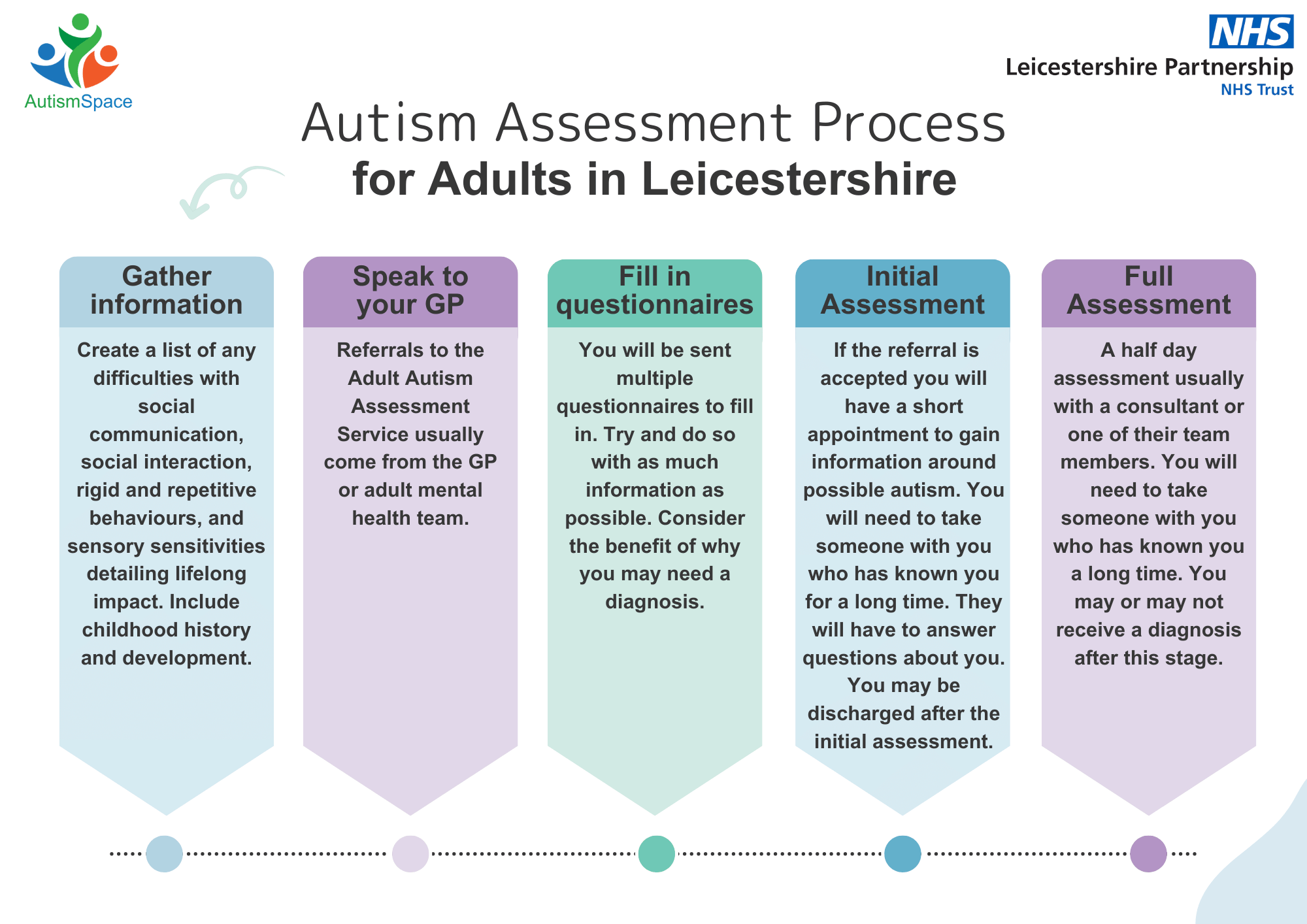
The right to healthcare is a cornerstone of human dignity, yet for many individuals on the autism spectrum, accessing appropriate medical services remains an uphill battle. While society has made strides in recognizing autism as a neurodevelopmental condition rather than a deficit to be corrected, systemic barriers still obstruct the path to equitable care. These obstacles are not merely bureaucratic hurdles; they reflect deeper societal attitudes, fragmented policy frameworks, and a healthcare system that often struggles to accommodate neurodiverse needs. The consequences are profound—not just for individuals with autism, but for families navigating a labyrinth of insurance denials, provider shortages, and cultural misunderstandings. This article explores the multifaceted challenges of securing healthcare rights for autistic individuals, from the scarcity of specialized providers to the financial burdens that exacerbate disparities. It also examines the role of advocacy, policy reform, and community-driven solutions in dismantling these barriers. By illuminating these issues, we can begin to envision a healthcare landscape where autism is not a barrier to care, but a consideration woven into the fabric of medical practice.
The Fragmented Landscape of Autism Healthcare
One of the most glaring issues in autism healthcare is the stark disparity between need and availability. Urban centers may boast a handful of specialists, while rural communities face decades-long waitlists—or no access at all. This geographic inequity is compounded by a severe shortage of professionals trained in autism-specific care. Pediatricians, psychiatrists, and neurologists often lack the nuanced understanding required to address the complex medical and behavioral needs of autistic patients. Even when providers exist, their services may be siloed, with little coordination between primary care, mental health, and developmental specialists. The result is a fragmented system where patients bounce between appointments, their care plans disjointed and reactive rather than proactive.
Compounding this issue is the pervasive myth that autism is solely a childhood condition. Many autistic adults find themselves navigating a healthcare system designed for pediatric populations, with providers ill-equipped to address their evolving needs—whether it’s managing co-occurring conditions like epilepsy or gastrointestinal disorders, or addressing mental health challenges such as anxiety or depression. The lack of age-appropriate care extends to transition planning, where adolescents with autism often fall through the cracks as they age out of pediatric services without a clear pathway to adult care. This systemic neglect is not an oversight; it is a reflection of how society has historically deprioritized the long-term well-being of neurodivergent individuals.
Insurance and Financial Barriers: The Invisible Wall
For many families, the first—and often the most formidable—obstacle is financial. Autism care is notoriously expensive, with costs that extend far beyond diagnostic evaluations. Applied Behavior Analysis (ABA) therapy, speech therapy, occupational therapy, and specialized medications can quickly accumulate into tens of thousands of dollars annually. Yet insurance coverage for these services remains inconsistent, with many plans imposing arbitrary limits on therapy hours or outright excluding certain treatments. The battle for coverage often becomes a protracted legal and administrative struggle, with families forced to appeal denials, navigate prior authorization hurdles, or pay out-of-pocket for care that should be accessible.
The financial strain is not limited to therapy. Routine medical care, from dental cleanings to emergency room visits, can become a source of stress when providers lack training in autism. A child who cannot tolerate the sensory overload of a typical dental exam may face repeated cancellations or sedation, each adding to the cumulative cost. Meanwhile, autistic adults without dependents or stable employment may find themselves uninsured or underinsured, their healthcare needs deprioritized in favor of more immediate financial obligations. These barriers are not accidental; they are structural, embedded in a system that treats healthcare as a privilege rather than a right.
The Role of Cultural Competency in Medical Settings
Even when care is theoretically accessible, the quality of that care hinges on the provider’s understanding of autism. Cultural competency—often discussed in the context of race or ethnicity—is equally critical when it comes to neurodiversity. A physician who dismisses a parent’s concerns about their child’s sensory sensitivities as “just a phase” or attributes behavioral challenges to poor parenting is not merely uninformed; they are perpetuating harm. The consequences of such missteps can be severe, from delayed diagnoses to inappropriate medication prescriptions. Yet training in autism-specific care remains woefully inadequate in medical education, leaving many providers to learn on the job—or not at all.
This lack of awareness extends to communication styles. Autistic individuals may struggle with eye contact, interpret language literally, or process information differently, leading to misunderstandings in clinical settings. A provider who misreads these behaviors as disinterest or defiance may misdiagnose or mistreat the patient. Conversely, an autistic person who feels unheard or dismissed may avoid seeking care altogether, exacerbating health issues over time. The solution lies not just in better education, but in a fundamental shift in how healthcare providers perceive and engage with neurodivergent patients. Empathy, patience, and a willingness to adapt are not optional skills; they are essential components of competent care.
Policy and Advocacy: The Slow March Toward Equity
Legislative efforts to improve autism healthcare rights have made incremental progress, but significant gaps remain. The Affordable Care Act (ACA) expanded insurance coverage for mental health services, including those for autism, but loopholes and state-level variations in Medicaid policies continue to create disparities. Meanwhile, the Individuals with Disabilities Education Act (IDEA) ensures access to special education services, but its reach does not extend to adult healthcare. Advocacy groups have pushed for policies like the Autism CARES Act, which funds research and training, yet funding alone cannot dismantle the systemic barriers that persist.
The most effective advocacy often comes from the ground up, with families and autistic self-advocates leading the charge. Grassroots organizations have successfully lobbied for insurance mandates in several states, ensuring that ABA and other therapies are covered. Legal battles, too, have played a role—class-action lawsuits against insurers for discriminatory practices have forced companies to reevaluate their policies. Yet policy change is a slow and contentious process, often met with resistance from those who view autism services as a financial burden rather than a human right. The fight for equity is not just about laws; it is about changing the cultural narrative that frames neurodiversity as a problem to be managed rather than a natural variation of human experience.
Building a More Inclusive Healthcare System
Addressing the healthcare rights of autistic individuals requires a multifaceted approach that goes beyond policy tweaks. Healthcare systems must prioritize the recruitment and training of neurodiversity-competent providers, integrating autism education into medical school curricula and offering continuing education for practicing professionals. Telehealth has emerged as a promising tool, particularly for families in underserved areas, though it is not a panacea—many autistic individuals require in-person care, and digital access remains a barrier for those without reliable internet or devices.
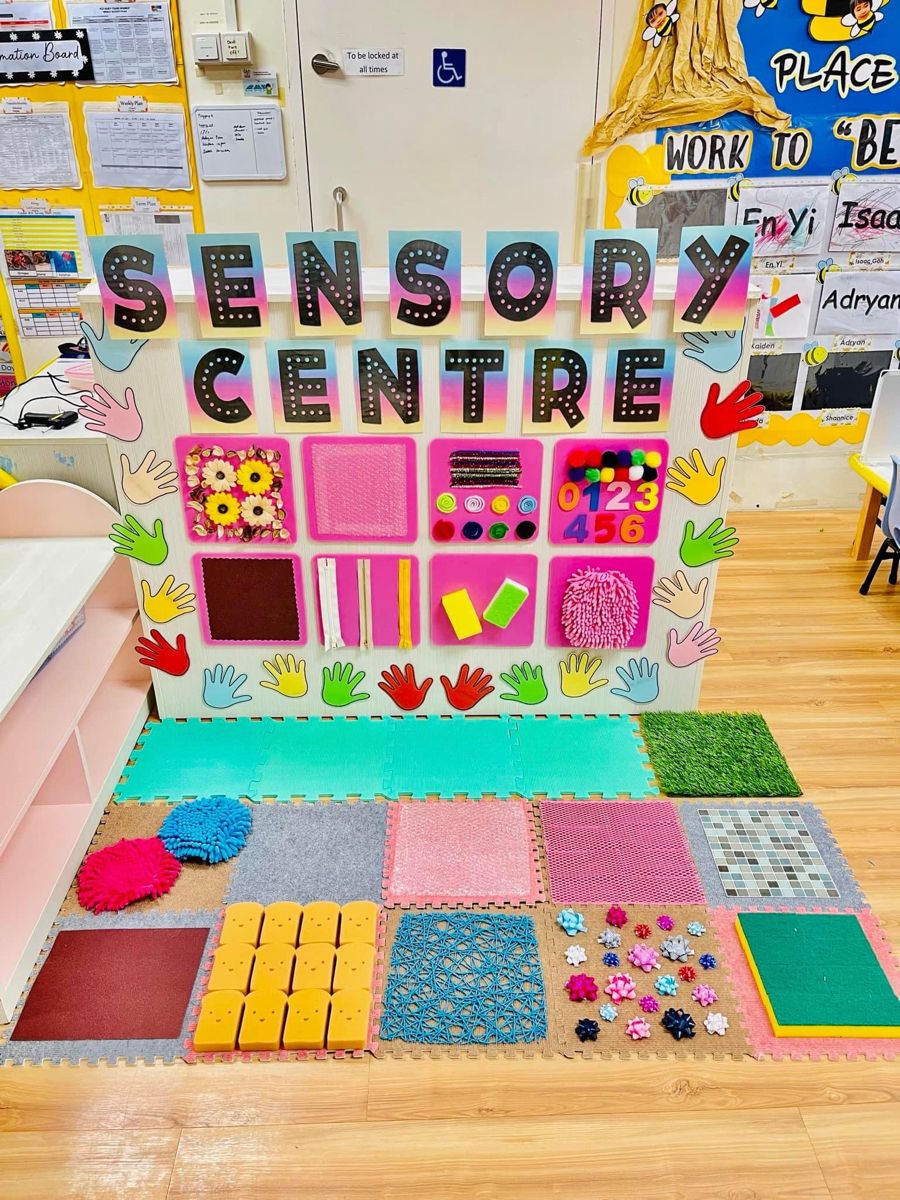
Community-based solutions also hold promise. Autism-friendly clinics, which offer sensory-friendly environments, extended appointment times, and staff trained in neurodiversity, are popping up across the country. These spaces recognize that healthcare is not one-size-fits-all and that accommodations are not optional luxuries but fundamental requirements. Employers, too, have a role to play, offering flexible work arrangements for caregivers and ensuring that workplace wellness programs are inclusive of neurodivergent employees.
Ultimately, the goal is to move beyond the idea of “accommodations” and toward a healthcare system that is inherently accessible. This means designing policies, facilities, and care plans with neurodiversity in mind from the outset—not as an afterthought. It means listening to autistic voices in the development of these systems, recognizing that those with lived experience are the most qualified to identify gaps and propose solutions. It means acknowledging that healthcare is not a privilege reserved for the neurotypical, but a right that belongs to everyone.
The journey toward equitable autism healthcare is far from over, but the progress being made is undeniable. Each family that secures coverage for critical therapies, each provider who undergoes neurodiversity training, and each policy that expands access to care represents a step forward. Yet the work is not just about removing barriers; it is about reimagining a system where autism is not a hurdle to overcome, but a perspective to be valued. In doing so, we not only improve the health outcomes for autistic individuals—we enrich the healthcare system itself, making it more compassionate, more adaptive, and more human.