Autism in literature is not merely a theme—it is a kaleidoscope of lived experiences, intellectual revelations, and emotional landscapes that reshape how readers perceive neurodiversity. Books penned by autistic authors offer an unfiltered gaze into the intricacies of autism, transcending stereotypes and societal misconceptions. These narratives are not just stories; they are portals into worlds where sensory perceptions are magnified, social norms are questioned, and identity is reclaimed with unapologetic authenticity. Whether through poignant memoirs, groundbreaking speculative fiction, or incisive essays, autistic writers are redefining what it means to be human in a neurotypical-dominated world.
For readers seeking depth, authenticity, and innovation, the literary offerings by autistic authors are indispensable. These works challenge conventional storytelling, infusing prose with idiosyncratic rhythms, nonlinear structures, and themes that resonate with both autistic and neurotypical audiences. From the raw vulnerability of personal accounts to the speculative leaps of imaginative fiction, the diversity of content ensures there is something for every kind of reader. This exploration delves into the multifaceted genres and styles autistic authors employ, revealing how their voices enrich the broader literary tapestry.

The Raw Honesty of Autistic Memoirs
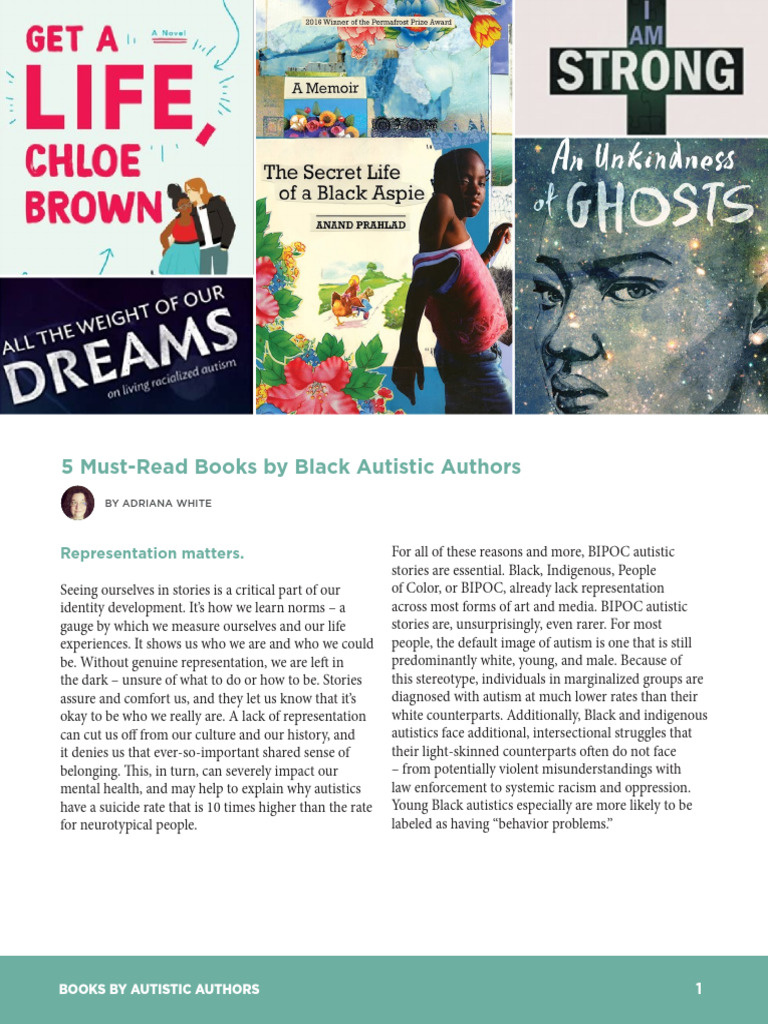
Memoirs by autistic authors are not for the faint of heart. They are unflinching dissections of identity, where every page crackles with the electricity of self-discovery. These narratives dismantle the myth of autism as a monolithic experience, instead painting it as a spectrum of intensities—some moments searing with clarity, others shrouded in confusion. Authors like Sarah Kurchak and John Elder Robison have penned memoirs that oscillate between humor and heartbreak, illustrating how autism shapes relationships, careers, and self-perception.
The prose in these works often mirrors the autistic experience itself—direct, unadorned, and devoid of the usual social niceties that dilute emotional truth. Readers will encounter passages where sensory overload is described with such vividness that they can almost feel the phantom hum of fluorescent lights or the overwhelming texture of a wool sweater against skin. These memoirs do more than inform; they immerse, allowing readers to inhabit the autistic mind in a way that clinical descriptions never could. The honesty is disarming, often forcing neurotypical readers to confront their own biases while offering autistic readers a rare sense of validation.
Moreover, these memoirs frequently explore intersections of autism with other identities—gender, race, disability—highlighting how these layers compound or complicate lived experiences. The result is a body of work that is as much about humanity as it is about autism, broadening the conversation beyond the condition itself.
Fiction That Defies Convention
Autistic authors are not confined to nonfiction; their fiction is a rebellion against literary norms, often characterized by experimental structures and themes that defy traditional storytelling. In novels like Planet Ripple: Minnows’ World, Vol. 8, readers encounter worlds where neurodivergent protagonists navigate environments designed for neurotypical comfort, only to find solace in the unexpected. These stories often reject linear narratives, opting instead for fragmented timelines that mirror the way autistic minds process time and memory.
The protagonists in these works are rarely one-dimensional heroes or tragic figures. They are complex, contradictory, and deeply human—characters who stim in moments of stress, who hyperfocus on obscure interests, and who forge connections in ways that defy social scripts. The villains, when present, are not the autistic characters themselves but the systems that fail to accommodate them. This subversion of tropes is a hallmark of autistic fiction, where the narrative arc is less about overcoming autism and more about navigating a world that refuses to adapt.
Speculative fiction, in particular, allows autistic authors to explore autism in contexts that transcend reality. In these alternate universes, neurodivergence might be the norm, or it might be a superpower that grants characters unique insights into the cosmos. The genre’s flexibility enables writers to challenge assumptions about communication, social hierarchy, and even the nature of consciousness itself. For readers, this means encountering stories that are as intellectually stimulating as they are emotionally resonant.

Essays and Polemics: The Intellectual Frontier
Beyond personal narratives and fiction, autistic authors contribute incisive essays and polemics that dissect the cultural, political, and philosophical dimensions of neurodiversity. These works are not mere opinion pieces; they are rigorous explorations of how society’s structures marginalize autistic individuals, from education systems that prioritize compliance over creativity to workplace cultures that punish nonconformity. Authors like Nick Walker and Julia Bascom have penned essays that serve as both manifestos and rallying cries, urging readers to rethink the very foundations of inclusion.
The tone of these essays can range from measured analysis to fiery indignation, reflecting the spectrum of autistic communication styles. Some writers employ dry, clinical precision to dismantle myths about autism, while others wield sarcasm and wit to expose the absurdity of neurotypical expectations. What unites these voices is a commitment to truth, even when it is uncomfortable. Readers will find themselves challenged to confront their own complicity in systems that perpetuate exclusion, all while being offered radical alternatives rooted in acceptance and accommodation.
These essays also serve as a bridge between autistic communities and allies, translating complex ideas into accessible language without diluting their power. They are essential reading for educators, policymakers, and anyone invested in creating a more equitable world. The ideas within these pages are not just theoretical; they are calls to action, demanding that society evolve to meet the needs of its neurodivergent members.
Poetry: The Language of Sensory Worlds
Poetry by autistic authors is a symphony of sensory detail, where words become textures, sounds, and colors rather than mere symbols. The language is often dense with internal rhymes, alliteration, and unconventional metaphors that reflect the way autistic minds perceive the world. In these verses, readers will encounter descriptions of sunlight that feel like a physical weight, or the cacophony of a crowded room rendered as a symphony of clashing frequencies.
The themes in autistic poetry frequently revolve around isolation, connection, and the search for meaning in a world that often feels alien. Yet, there is also a profound beauty in these works—a celebration of difference that transcends pity or inspiration porn. The poems do not ask for pity; they demand understanding, and in doing so, they offer a form of catharsis for both autistic and neurotypical readers alike. The rhythm of the language can be hypnotic, mirroring the repetitive, cyclical nature of thought that many autistic individuals experience.
For those who struggle with traditional prose, poetry by autistic authors can be a revelation. The brevity of the form allows for concentrated bursts of insight, where a single line can encapsulate an entire emotional landscape. These works are not just to be read; they are to be felt, savored, and revisited, each reading revealing new layers of meaning.
Children’s Literature: Nurturing Neurodivergent Imaginations
Children’s books by autistic authors are a vital corrective to the one-dimensional portrayals of neurodivergence that have long dominated young adult and middle-grade literature. These stories center autistic protagonists who are not defined by their diagnosis but by their dreams, struggles, and triumphs. The language is accessible, yet it avoids condescension, respecting the intelligence and curiosity of young readers. The illustrations, when present, often reflect the sensory-rich worlds autistic children inhabit, with bold colors, intricate patterns, and unconventional compositions.
These books serve multiple purposes: they validate autistic children who see themselves in the pages, they educate neurotypical children about the diversity of human experience, and they provide parents and educators with tools to foster empathy and understanding. The narratives often tackle everyday challenges—sensory sensitivities, social misunderstandings, the frustration of being misunderstood—with a gentle honesty that resonates with both children and adults.
Moreover, these stories frequently incorporate autistic joy—the delight in special interests, the comfort of routines, the unique ways autistic children form attachments. By normalizing these experiences, the books help dismantle the stigma that still surrounds autism in childhood. They are not just stories; they are lifelines, offering young readers the message that their way of being is not just acceptable but worthy of celebration.
As the literary landscape continues to evolve, the voices of autistic authors grow louder, more varied, and more indispensable. Their works are not just a niche interest; they are a vital part of the cultural conversation, challenging readers to expand their understanding of what it means to be human. Whether through the unfiltered honesty of a memoir, the rebellious creativity of fiction, the intellectual rigor of an essay, the sensory richness of poetry, or the nurturing embrace of children’s literature, these authors are redefining storytelling itself.
For readers willing to engage with these narratives, the rewards are profound. They will find not just representation, but revelation—a chance to see the world through eyes that perceive it differently, and in doing so, to understand it more deeply. Autism in books is not a trend; it is a revolution, and its authors are the architects of a new literary frontier.