What if the simplest pleasures—like the first bite of a warm cinnamon roll or the creamy swirl of pumpkin roll—could become gateways to connection, comfort, and even creativity for those on the autism spectrum? Desserts, often dismissed as mere indulgences, possess a unique power: they can be sensory playgrounds, structured rituals, or even tools for therapeutic expression. Yet, for many autistic individuals, the journey to finding the perfect treat isn’t always smooth. Texture sensitivities, flavor aversions, or the overwhelming chaos of a bustling bakery can turn a simple craving into a daunting quest. But what if the solution lies not in avoiding these challenges, but in embracing them—through recipes designed with intention, sensory awareness, and a dash of playful experimentation?
The Sensory Symphony of Desserts: Why They Matter
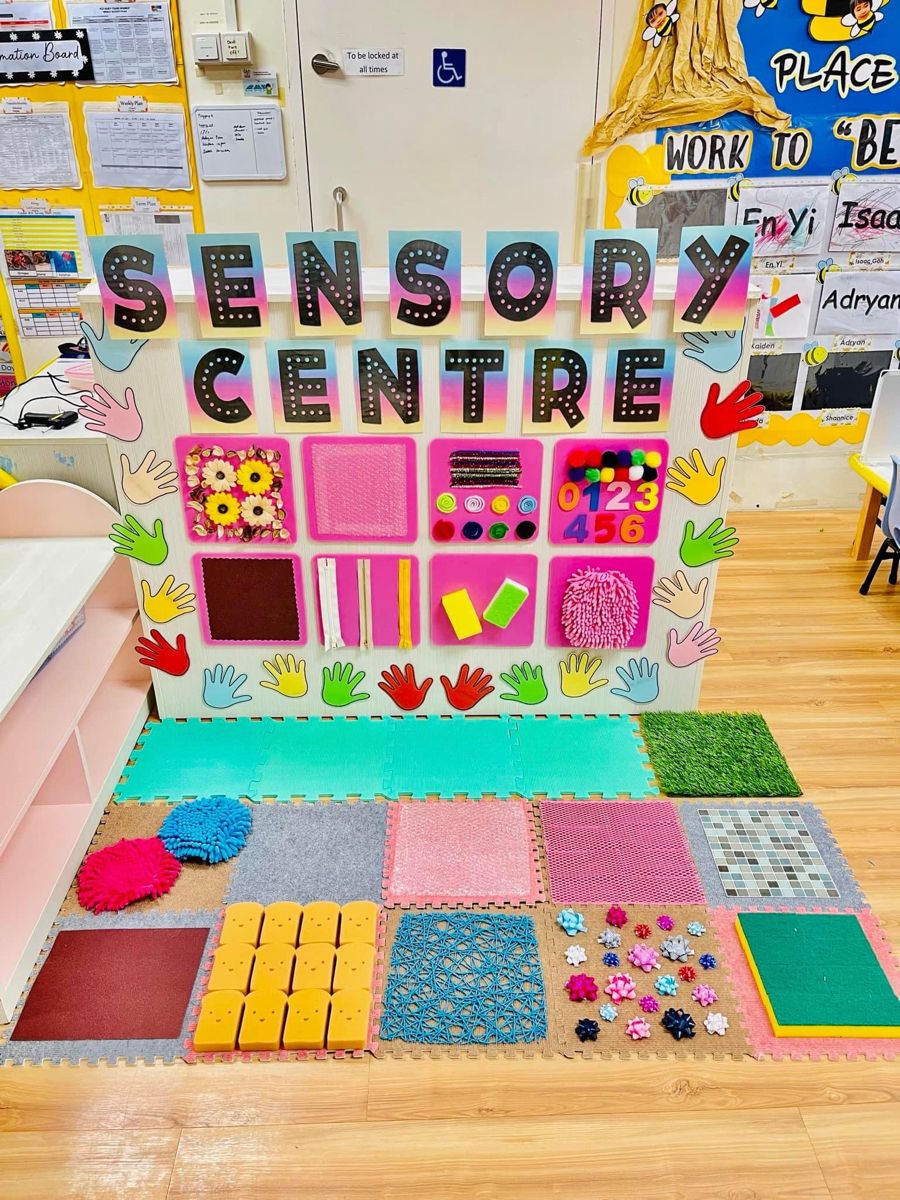
Autism often brings heightened sensory experiences, where textures, temperatures, and flavors can feel either exhilarating or overwhelming. A velvety mousse might be a dream, while a grainy cookie could feel like sandpaper on the tongue. For autistic individuals, desserts aren’t just about taste—they’re about sensory negotiation. A well-crafted recipe can become a bridge between discomfort and delight, offering controlled environments where flavors and textures can be explored without pressure. Consider the humble pudding: smooth, predictable, and endlessly customizable. It’s a dessert that whispers, “You’re in charge here.”
Yet, the challenge isn’t just about finding the right texture—it’s about the ritual of creation. Baking, for many, is a form of structured play, a sequence of steps that can be both soothing and empowering. The act of measuring, mixing, and watching ingredients transform under heat can be meditative, a tangible way to process emotions or simply enjoy the present moment. For autistic individuals who thrive on routine, a dessert recipe can serve as a comforting blueprint, a predictable path to a delicious reward.
Navigating Flavor Aversions: The Art of Subtle Adaptation
Not everyone loves the bold punch of cinnamon or the earthy bitterness of dark chocolate. Flavor aversions are common in autism, and they can make traditional desserts feel like a minefield. But what if the solution isn’t to avoid these flavors entirely, but to reframe them? Take pumpkin, for instance—a spice that divides opinions like no other. In a classic pumpkin roll, the spices are often front and center, daring the eater to embrace their warmth. Yet, a modified version could soften their intensity, blending them with sweet vanilla or creamy cream cheese to create a more approachable profile.
Consider the technique of layering flavors. A dessert like a layered parfait allows each component to be experienced separately, giving the eater control over how much of each flavor they encounter. A crunchy granola base, a tangy yogurt layer, and a drizzle of honey can be assembled in any order, turning dessert into a customizable experience. This method respects individual preferences while still delivering the joy of a sweet treat. It’s not about masking flavors but about offering them in a way that feels safe and enjoyable.
Another strategy is to infuse flavors subtly. Vanilla, for example, is a universally gentle flavor that can enhance other ingredients without overpowering them. A vanilla-infused whipped cream can transform a simple fruit salad into a gourmet experience, while a hint of almond extract in a cake batter can add depth without the sharpness of citrus. The key is to experiment in small increments, allowing the eater to acclimate to new tastes at their own pace.
Texture Triumphs: Crafting Desserts for Every Palate
Texture is where many autistic individuals draw the line. A cake that’s too crumbly, a cookie that’s too chewy, or a pudding that’s too gelatinous can turn a delightful treat into a sensory nightmare. The solution? Texture engineering. For those who dislike sticky or gooey textures, a firm but moist cake—like a classic pound cake—can be a revelation. For those who crave crunch, a biscotti-style dessert with a satisfying snap might be the answer. And for those who prefer softness, a well-made custard or a silky mousse can provide the comfort of familiarity.
One innovative approach is the deconstructed dessert, where components are served separately to allow for individual preference. Imagine a sundae bar where the ice cream, toppings, and sauces are presented in separate bowls. The eater can choose to mix them or keep them distinct, creating a dessert that’s entirely their own. This method not only caters to texture sensitivities but also turns dessert time into an interactive, empowering experience.

Easy and Delicious Recipes: Where Simplicity Meets Creativity
When it comes to desserts for autistic individuals, simplicity is key. Recipes with minimal ingredients and straightforward steps reduce anxiety and make the process more enjoyable. Here are three ideas that balance ease with creativity:
1. Vanilla Pudding Parfaits
Layer creamy vanilla pudding with crushed graham crackers and fresh berries in a clear glass. The visual appeal of the layers adds an element of fun, while the textures can be adjusted—softer pudding, crunchier crackers, or juicier fruit—to suit individual preferences. This dessert is not only easy to make but also easy to customize.
2. Almond Butter Cookies
A three-ingredient recipe—almond butter, sugar, and an egg—creates a soft, chewy cookie that’s free from common allergens and easy to adapt. For those who dislike the texture of traditional cookies, these can be pressed into shapes or baked as mini clusters for a different mouthfeel. The subtle nuttiness of almond butter is gentle on the palate, making it a safe choice for flavor explorers.
3. Chocolate-Dipped Fruit Skewers
Melted chocolate provides a familiar, comforting flavor, while the fruit offers a burst of natural sweetness. The skewers allow for portion control, and the chocolate can be tempered to a specific texture—smooth and snappy for those who prefer firmness, or slightly softer for a melt-in-your-mouth experience. This dessert is as much about the process of dipping as it is about the final bite.
The Social Side of Sweets: Desserts as Bridges
Desserts have a unique way of bringing people together, even when communication feels challenging. For autistic individuals who struggle with social interactions, sharing a dessert can be a low-pressure way to connect. The act of offering a treat—whether it’s a homemade muffin or a store-bought cookie—can signal kindness without the need for words. It’s a universal language of comfort.
Consider the ritual of baking with a loved one. The shared focus on a recipe can create a sense of camaraderie, while the end result—a tangible, edible creation—provides a sense of accomplishment. Even if the dessert isn’t perfect, the process of making it together can be a memory in itself. For autistic individuals who thrive on routine, this kind of structured activity can be deeply grounding.
Overcoming Challenges: When Desserts Don’t Go as Planned
Of course, not every dessert will be a success. A cake might collapse, a batch of cookies could spread into a puddle, or a pudding might refuse to set. But these “failures” can be opportunities for growth. For autistic individuals, problem-solving in the kitchen can build confidence and resilience. The key is to approach these challenges with curiosity rather than frustration. What went wrong? Was it the oven temperature? The mixing technique? The ingredients? By troubleshooting, the eater learns not just about baking, but about adaptability.
It’s also important to remember that not every dessert needs to be a masterpiece. Sometimes, the simplest treats—a bowl of cereal with a drizzle of honey, a slice of toast with jam—can be just as satisfying. The goal isn’t perfection; it’s joy. And if a dessert doesn’t turn out as expected, there’s always the option to repurpose it. Crumbled cake can become ice cream topping. Overmixed batter can be turned into pancakes. The kitchen is a place of experimentation, not just execution.
A Final Bite: The Sweetness of Self-Discovery
Desserts, in their many forms, offer more than just sugar and spice. They are tools for sensory exploration, vehicles for creativity, and bridges to connection. For autistic individuals, they can be a way to navigate the world with confidence, one bite at a time. The challenge isn’t in avoiding the complexities of taste and texture, but in embracing them—through recipes that are gentle, adaptable, and above all, delicious.
So the next time you reach for a spoonful of pudding or a slice of cake, consider the possibilities. What if this simple act could be a step toward comfort, a moment of joy, or even a newfound passion? The answer might just be sweeter than you think.