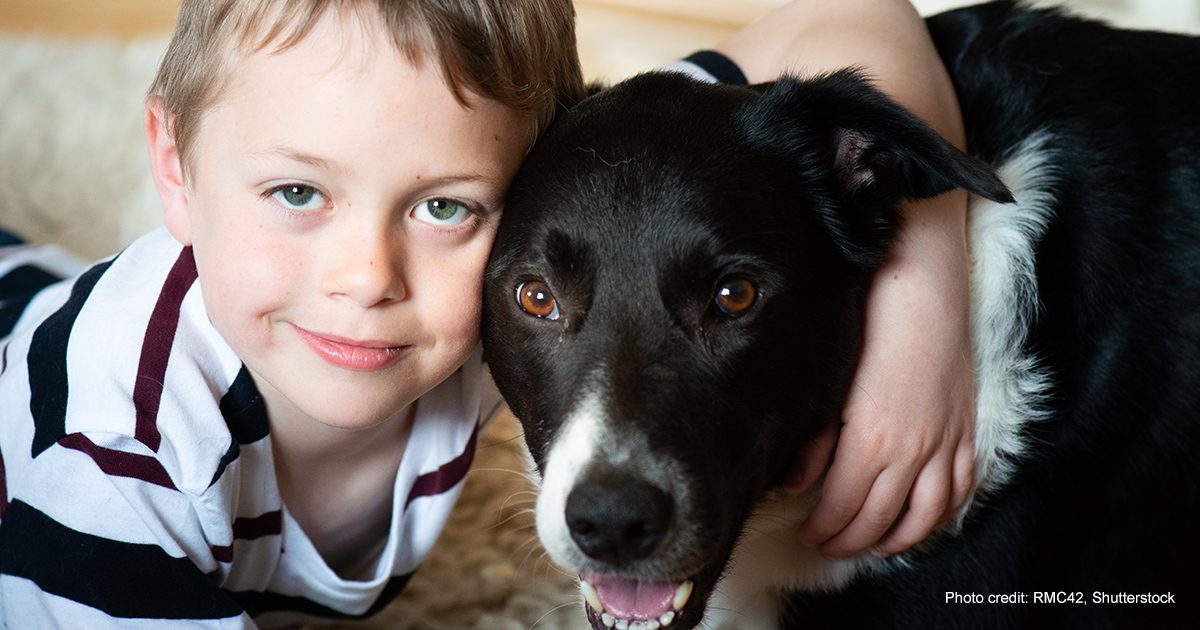
The bond between humans and animals transcends mere companionship—it is a symphony of mutual healing, a silent dialogue of trust and understanding. For individuals navigating the intricate landscape of autism, this connection can be transformative. Animal-assisted therapy (AAT) has emerged as a beacon of hope, offering not just emotional solace but tangible improvements in communication, social interaction, and sensory regulation. In a world where conventional therapies sometimes fall short, the presence of a gentle, nonjudgmental creature can unlock doors that were previously sealed shut. This article delves into the profound impact of animal-assisted therapy on autistic individuals, exploring the diverse modalities, scientific underpinnings, and the deeply personal stories that illustrate its power.

The Science Behind the Serenity: How Animal-Assisted Therapy Works
At its core, animal-assisted therapy leverages the innate human-animal bond to foster emotional and psychological growth. Research suggests that interactions with animals can stimulate the release of oxytocin, a hormone associated with bonding and trust, while simultaneously reducing cortisol levels, the body’s primary stress hormone. For autistic individuals, whose sensory and social experiences often feel overwhelming, this biochemical shift can create a sense of safety and openness.
Neurodivergent brains process stimuli differently, and traditional therapeutic environments may inadvertently heighten anxiety. Animals, however, operate on a different wavelength—one devoid of social expectations or judgment. A therapy dog, for instance, doesn’t demand eye contact or reciprocate in a way that feels intrusive. Instead, it offers a steady presence, a tactile comfort that can ground an individual in the present moment. Studies have shown that children with autism who engage in AAT exhibit reduced repetitive behaviors, improved focus, and even enhanced verbal communication in some cases. The key lies in the animal’s ability to meet the individual where they are, without pressure or performance demands.
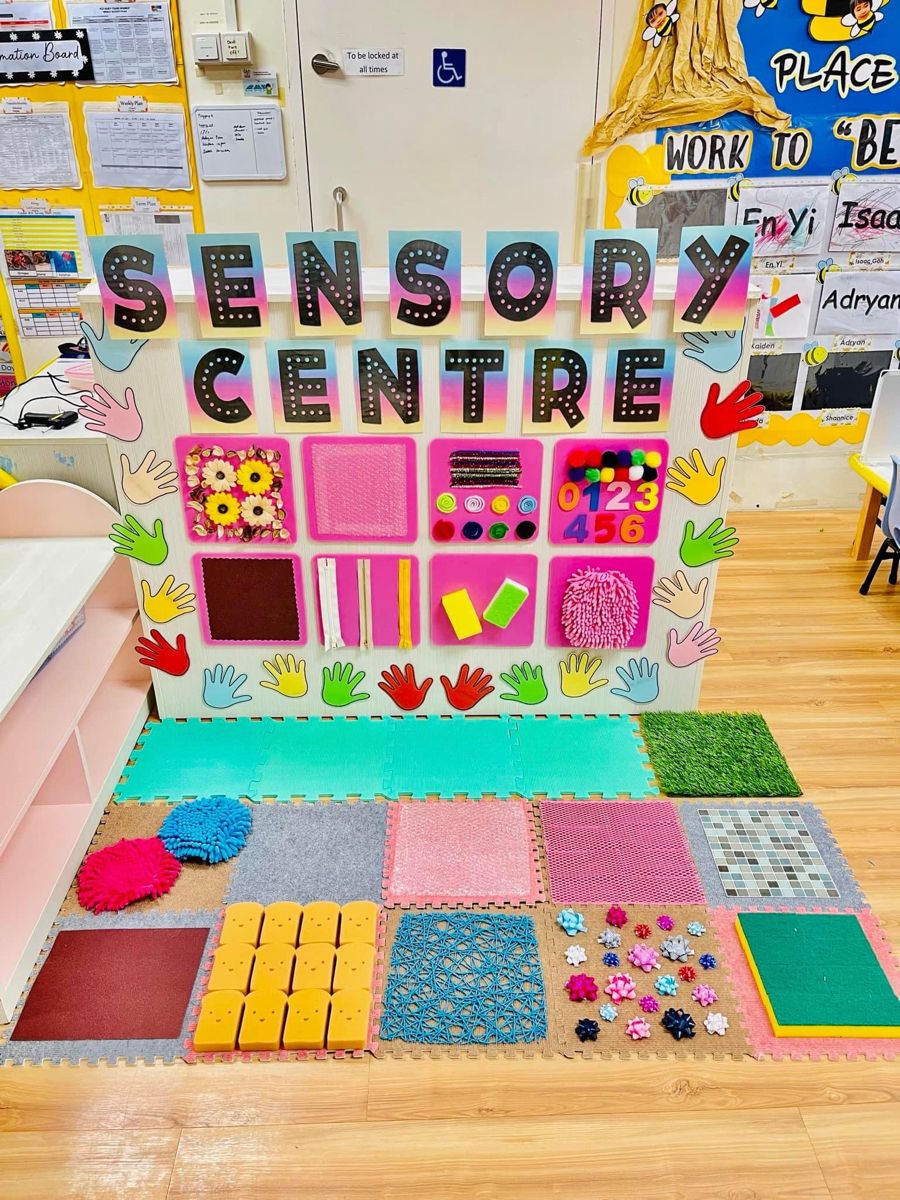
Moreover, the rhythmic nature of animal-assisted activities—such as grooming a horse or walking a dog—can serve as a form of sensorimotor synchronization, a phenomenon where repetitive, predictable movements help regulate the nervous system. This is particularly beneficial for autistic individuals who may struggle with proprioceptive or vestibular processing, as the physical interaction with an animal provides a structured yet dynamic sensory input.
Equine Therapy: Riding Toward Emotional Freedom
Among the most celebrated forms of animal-assisted therapy is equine-assisted therapy, where interactions with horses facilitate emotional and behavioral growth. Horses, with their keen sensitivity to human emotions, act as living mirrors, reflecting the internal states of their handlers. For autistic individuals, this can be a revelation—a chance to recognize and process emotions in a tangible, nonverbal way.
The act of riding a horse, even in a therapeutic setting, demands a level of body awareness and coordination that many autistic individuals find challenging yet rewarding. The horse’s gait mimics the natural rhythm of human walking, subtly encouraging postural alignment and core strength. Beyond the physical benefits, the relationship between rider and horse fosters emotional attunement, a skill that often eludes autistic individuals. A horse’s responsiveness to subtle cues—whether a shift in weight or a change in breath—teaches individuals to become more attuned to their own bodies and the signals they send.

Equine therapy is not limited to riding. Groundwork exercises, such as leading a horse through an obstacle course or simply standing beside one, can build confidence and reduce anxiety. The sheer size of a horse, while initially intimidating, becomes a source of empowerment as the individual learns to guide and communicate with such a majestic creature. For many autistic children and adults, these experiences translate into improved social interactions outside the therapy setting, as the confidence gained in the arena spills over into daily life.
Canine Companions: The Unspoken Language of Dogs
Dogs are often hailed as man’s best friend, but for autistic individuals, they can be lifelines. Therapy dogs, trained to provide comfort and support, offer a unique form of companionship that is both unconditional and predictable. Unlike human interactions, which can be fraught with ambiguity, a dog’s behavior is consistent—tail wags mean happiness, a relaxed posture means contentment, and a gentle nudge means affection. This predictability can be a balm for autistic individuals who struggle with the unpredictability of social cues.
The benefits of canine-assisted therapy extend beyond emotional regulation. For nonverbal autistic individuals, dogs can serve as a bridge to communication. A child who refuses to speak may find their voice when prompted by a therapy dog’s eager bark or playful antics. The act of giving commands—“sit,” “stay,” “paw”—can encourage verbalization in a low-pressure environment. Additionally, the tactile stimulation of petting a dog’s fur can have a hypoallergenic effect, reducing sensory overload and promoting relaxation.
Service dogs, a specialized subset of therapy dogs, are trained to perform specific tasks for autistic individuals, such as interrupting repetitive behaviors, providing deep pressure therapy during meltdowns, or even acting as a physical barrier in crowded spaces to reduce overstimulation. The presence of a service dog can grant families a sense of security, knowing that their loved one has a constant, reliable companion to navigate the world’s complexities.
Beyond Dogs and Horses: The Unexpected Allies in Therapy
While dogs and horses dominate the conversation around animal-assisted therapy, other animals also play a crucial role. Dolphins, for instance, have been used in therapeutic settings to encourage social engagement and motor skill development. The buoyancy of water reduces gravitational stress on the body, allowing autistic individuals to move with greater ease and confidence. The high-pitched squeals and playful splashing of dolphins can also serve as auditory stimuli that captivate attention and encourage vocalization.
Similarly, rabbits and guinea pigs offer a gentler form of animal interaction, ideal for individuals who may be overwhelmed by larger animals. The soft fur and gentle movements of these small mammals can provide a soothing tactile experience, while their quiet demeanor makes them less intimidating. For autistic children who struggle with fine motor skills, activities like feeding or brushing a rabbit can improve dexterity and hand-eye coordination.
Even birds, with their vibrant plumage and melodic songs, can serve as therapeutic allies. The act of caring for a bird—refilling its water, cleaning its cage—instills a sense of responsibility and routine, two areas where many autistic individuals thrive. The visual and auditory stimulation of a bird’s presence can also enhance focus and reduce anxiety, making it a valuable addition to sensory integration therapy.
Real Stories, Real Transformations: The Human-Animal Connection in Action
Behind every statistic and study lies a story of transformation. Consider the case of a nonverbal autistic boy who, after months of equine therapy, began to vocalize his first words—not to his parents, but to his therapy horse. Or the teenager with severe anxiety who found solace in the steady presence of a service dog, allowing her to attend school without the constant fear of sensory overload. These stories are not anomalies; they are testaments to the power of animal-assisted therapy.
For many families, the decision to incorporate AAT into their child’s routine is born out of desperation and hope. The journey is not always linear—there are setbacks, moments of frustration, and the occasional resistance from the individual. Yet, the incremental progress, the small victories, often make the effort worthwhile. A child who once recoiled from touch may eventually lean into a dog’s fur; a teenager who avoided eye contact may begin to glance at their therapy horse’s ears as a form of connection.

These transformations are not just about the animals themselves but about the relationships they foster. They teach patience, empathy, and the art of silent communication—skills that extend far beyond the therapy session. For autistic individuals, who often navigate a world that demands conformity, the presence of an animal can be a reminder that they are seen, accepted, and valued exactly as they are.
Practical Considerations: Choosing the Right Therapy Animal
Not all animals are suited for therapy work, and not all autistic individuals will respond to the same type of animal. The selection process should be tailored to the individual’s sensory preferences, mobility level, and emotional needs. A hyperactive child, for instance, might benefit more from a calm, older dog than a young, excitable puppy. Similarly, an individual with a fear of dogs may find greater comfort in the company of a gentle horse or a small mammal.
It’s also essential to consider the animal’s temperament and training. Therapy animals must be patient, well-socialized, and comfortable in various environments. They should exhibit a high tolerance for unpredictable movements, loud noises, and sudden changes in routine—all of which are common in autistic individuals. Working with a reputable therapy animal organization ensures that both the handler and the animal are prepared for the unique challenges and rewards of this work.
Cost and accessibility are additional factors to weigh. While some therapy animals are provided by organizations at little to no cost, others may require significant investment in training and certification. Insurance coverage for animal-assisted therapy varies widely, so it’s crucial to explore all available options. For those unable to access formal therapy programs, even the presence of a family pet—properly trained and introduced—can offer some of the same benefits.
A Future Where Animals and Autism Intersect
The field of animal-assisted therapy is still in its infancy, with ongoing research uncovering new ways to harness the power of human-animal bonds. Emerging technologies, such as robotic animals designed to mimic the calming effects of real pets, offer promising alternatives for those who may not have access to live therapy animals. However, nothing can replicate the authenticity of an animal’s presence—the warmth of a dog’s breath, the rhythmic rise and fall of a horse’s flank, the soft chirp of a bird greeting the morning.
As society continues to embrace neurodiversity, the role of animal-assisted therapy will likely expand, becoming an integral part of holistic care for autistic individuals. The stories of transformation, the scientific evidence, and the sheer joy of these interactions all point to one undeniable truth: animals have a unique capacity to heal, to connect, and to illuminate the path forward. In a world that often feels fragmented, the bond between humans and animals remains one of our most potent tools for growth and understanding.
For those standing at the crossroads of uncertainty, wondering if animal-assisted therapy could be the missing piece in their journey, the answer lies not in the data or the studies, but in the quiet moments—the first tentative touch of a paw, the first shared glance with a horse’s knowing eye, the first word spoken to a creature that asks for nothing in return but love. That, in itself, is a form of magic.