Within the labyrinthine corridors of modern education lies a formidable challenge that many institutions grapple with but few confront with unwavering resolve: the pervasive issue of bullying targeting autistic students. The conversation around bullying is nothing new; yet, the particular vulnerabilities and needs of children on the autism spectrum often remain enshrouded in misunderstanding and neglect. Unraveling this complex dynamic promises not only a paradigm shift in how schools approach safety and inclusion but also propels a profound rethink about empathy, awareness, and community responsibility.
Understanding the Unique Vulnerability of Autistic Students
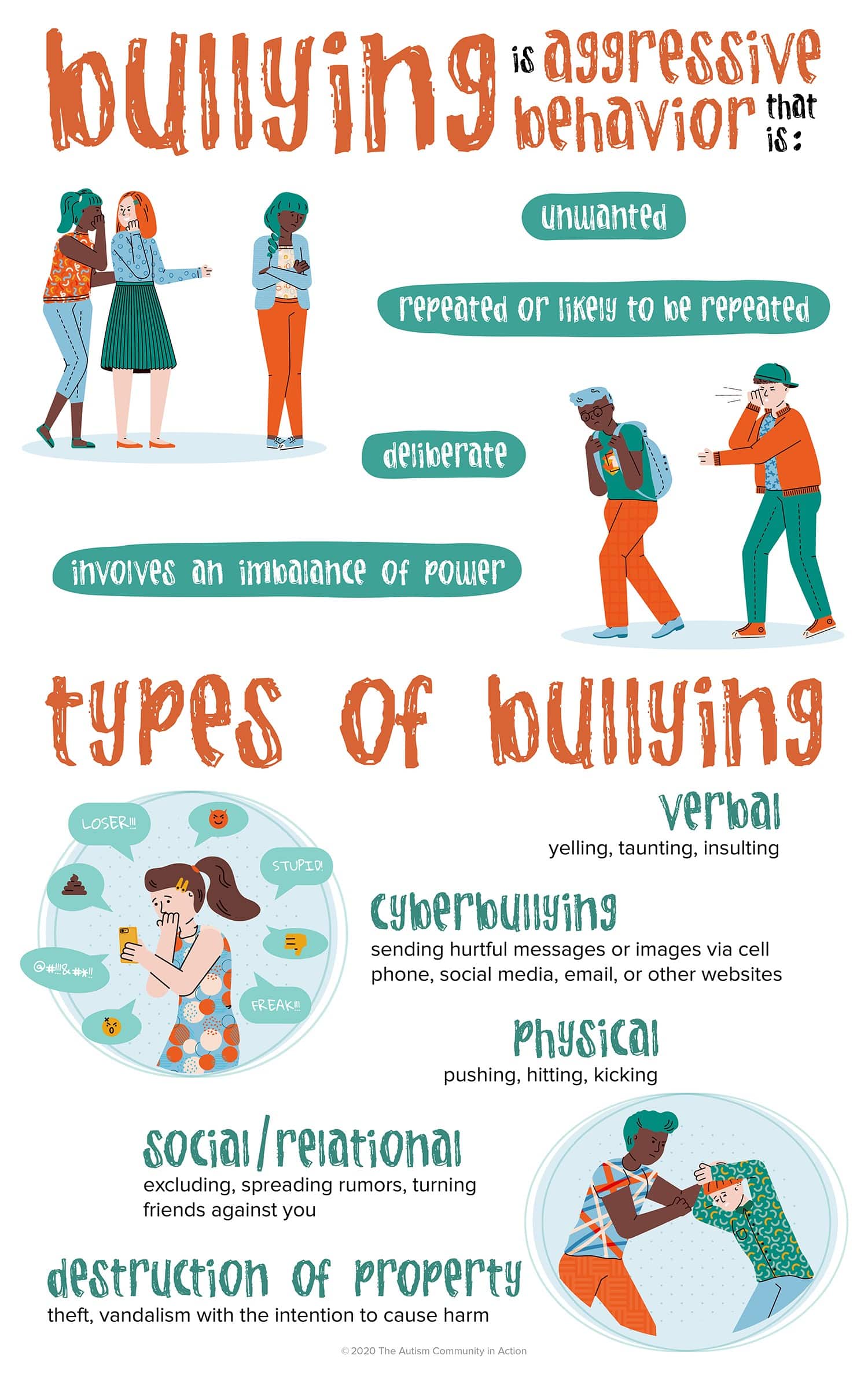
Autistic children often experience the world through a distinctive sensory and cognitive prism. This difference—while a source of unique abilities—can unfortunately render them susceptible to social isolation and misunderstanding. Conventional bullying takes on insidious forms when directed towards these students: verbal taunts about their mannerisms, exclusion based on communication styles, or even targeted physical intimidation may weave a tapestry of distress that educators and peers often overlook.
What compounds this vulnerability is the challenge autistic students face in interpreting social cues and their reduced capacity to articulate distress in societally expected ways. This divergence from neurotypical behaviors can make them unwitting targets, as well as silent sufferers. Schools must first acknowledge that bullying against autistic students is not a peripheral issue but a systemic one, deeply intertwined with the broader narrative of inclusion and equity.

Shaping an Inclusive School Culture: Beyond Zero Tolerance
Adopting a “zero tolerance” stance towards bullying, while necessary, is insufficient in isolation. The metamorphosis of a school’s culture demands more than punitive measures. It requires the cultivation of an environment where neurodiversity is not merely tolerated but celebrated. Schools can foster this by integrating curricula that emphasize social-emotional learning tailored specifically for diverse cognitive profiles.
This involves the deployment of educational materials and activities that elevate empathy and perspective-taking among all students. Explicit instruction about autism—breaking down myths and fostering curiosity rather than fear—plants the seeds for a deeper understanding that can significantly diminish inadvertent exclusion and targeted harassment. When students appreciate the distinct ways in which their peers experience the world, the impulse to alienate diminishes.
Empowering Educators Through Specialized Training
Teachers and staff form the frontline defense against bullying yet often lack nuanced training to identify and sensibly intervene in cases involving autistic students. Conventional anti-bullying programs must evolve to incorporate strategies that recognize the subtle signs of distress unique to these students, alongside creating safe spaces where they feel heard and protected.
Specialized workshops can equip educators with skills to decipher nonverbal cues, understand sensory sensitivities, and respond with appropriate support rather than frustration or dismissal. This specialized knowledge fosters not only interventional competence but cultivates a compassionate attitude, effectively transforming everyday interactions into opportunities for allyship.
Implementing Proactive Social Stories and Self-Reflection Tools
Preventative measures must include tools that empower autistic students to navigate social landscapes with greater confidence. Social stories—brief, descriptive narratives tailored to autism—serve as powerful instruments in preempting bullying situations. These stories delineate social expectations, model positive behaviors, and provide autistic students with scripts they can utilize in complex interpersonal scenarios.
Moreover, integrating self-reflection worksheets enhances self-awareness and emotional regulation, which are instrumental in reducing incidents of victimization. When students understand their own feelings and reactions, they can communicate needs more effectively and seek support proactively. Schools that invest in these creative, person-centered tools witness an uptick in resilience and a decline in harmful peer interactions.

Harnessing Parental and Community Partnerships
Bullying prevention is a fabric woven with many threads, and schools alone cannot shoulder the entire burden. Engaging parents and community stakeholders in dialogue and collaborative action is paramount. Workshops, support groups, and informational seminars designed for families enrich the ecosystem of understanding beyond school grounds.
Parents, as primary advocates, provide invaluable insights into individualized needs and effective support strategies. When empowered and informed, they function as vigilant sentinels and staunch allies in combating bullying. Community partnerships can also introduce additional resources, bridging gaps that schools may find difficult to fill alone.
Creating Measurable Accountability and Continuous Improvement
The journey towards eradicating bullying against autistic students requires ongoing assessment and adaptation. Schools must establish clear policies, but equally essential is the development of transparent reporting mechanisms that encourage students, teachers, and parents to voice concerns without fear of reprisal.
Data-driven approaches—collecting, analyzing, and responding to bullying incidents—render prevention efforts dynamic and responsive. Regular audits of school climate, feedback loops involving autistic students themselves, and visible administrative commitment signal an institution’s dedication to transformative change. Accountability becomes the engine driving consistent improvement, rather than a static, once-a-year declaration.
A Vision for the Future: Reimagining Education Through Neurodiversity
As schools evolve to confront the complex challenges of bullying in the context of autism, they are invited to reimagine education itself. This reimagining is marked by a radical inclusivity that honors all ways of being, perceiving, and learning. It transcends compliance to legal mandates, infusing the culture with a rich tapestry of compassion, curiosity, and respect for human difference.
The promise of such transformation lies not simply in reducing bullying statistics but in cultivating a generation of students who carry forward this ethic of acceptance into broader society. By embracing neurodiversity as a strength and making proactive bullying prevention a cornerstone of education, schools become sanctuaries of growth and empathy.
Ultimately, the endeavor to prevent bullying of autistic students is both a moral imperative and an opportunity—a call to educators, families, and communities to be architects of a future where every child is seen, valued, and protected. The path forward is challenging but illuminated by the profound possibility of reshaping minds and hearts.