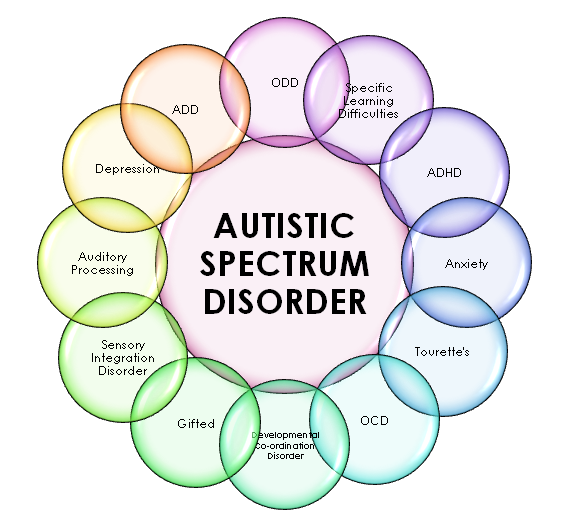
In a world where laughter is the universal language, comedy clubs have long been sanctuaries for the soul—a place where stress dissolves into chuckles and the weight of the world lifts, if only for a few hours. Yet, for individuals on the autism spectrum, these spaces often remain terra incognita, a frontier where sensory overload and social nuances can turn a night of mirth into a daunting expedition. What if comedy clubs could evolve into inclusive havens, not just for the neurotypical but for everyone? Could laughter, that most democratic of human experiences, bridge the gap between neurodiversity and the stage?
Imagine stepping into a dimly lit comedy club, the air thick with anticipation. The stage is bathed in a single spotlight, casting long shadows as the audience settles into their seats. For most, the experience is seamless—a shared rhythm of jokes landing, groans erupting, and applause swelling. But for someone with autism, the cacophony of clinking glasses, the flicker of overhead lights, and the unpredictable cadence of laughter can feel like a symphony of sensory assaults. The challenge isn’t just in decoding the punchlines; it’s in navigating an environment that wasn’t designed with their needs in mind. Could comedy clubs, those bastions of wit and whimsy, ever become truly inclusive?
The Comedy Club Conundrum: Where Neurodiversity Meets the Stage
Comedy clubs are, by their very nature, high-stimulation environments. The rapid-fire delivery of jokes, the sudden bursts of laughter, and the close quarters of seating create a sensory landscape that can be overwhelming. For autistic individuals, who often experience the world with heightened sensitivity, this can lead to discomfort or even distress. The challenge isn’t just about accessibility in the physical sense—ramps, wide aisles, or quiet zones—but about reimagining the entire experience to ensure it’s welcoming.
Consider the autistic comedian. Their humor might not follow the traditional arc of setup and punchline; it could be more abstract, more observational, or even rely on patterns that neurotypical audiences might miss. Yet, their perspective is invaluable. Comedy has always been a tool for challenging norms, and who better to push boundaries than those who see the world differently? The question then becomes: How can comedy clubs adapt to accommodate these unique voices and audiences without diluting the essence of what makes comedy clubs so special?
Designing for Diversity: Sensory-Friendly Comedy Nights
One solution lies in the concept of sensory-friendly comedy nights—events meticulously curated to minimize overstimulation while maximizing enjoyment. These evenings might feature dimmer lighting, reduced volume, and even designated quiet spaces where attendees can retreat if the environment becomes too intense. The comedy itself could be tailored to be more predictable, with clear signposting of jokes or themes, allowing autistic audiences to prepare mentally for what’s to come.
But it’s not just about mitigating the negative; it’s about enhancing the positive. Imagine a comedy club that incorporates visual aids, such as subtitles or emoji reactions, to help convey the tone of a joke. Or perhaps a “laugh track” that’s more controlled, allowing audiences to opt into the communal experience without feeling overwhelmed. These innovations aren’t about dumbing down comedy; they’re about expanding its reach to those who might otherwise feel excluded.

The Autistic Comedian: Redefining Humor on Their Own Terms
Comedy is, at its core, a form of rebellion—a way to challenge societal norms through laughter. For autistic comedians, this rebellion takes on a unique flavor. Their humor often stems from literal interpretations, unexpected connections, or a keen observation of details that others might overlook. Think of the comedian who turns their sensory sensitivities into material, or the one who finds humor in the rigidity of social conventions. Their comedy isn’t just funny; it’s a mirror held up to the absurdities of everyday life.
Yet, the path to the stage isn’t always smooth. Many autistic comedians face barriers in an industry that prizes quick wit and social agility. Open mic nights can be intimidating, and the pressure to conform to neurotypical standards of humor can stifle creativity. Comedy clubs that actively seek out and support neurodiverse voices are breaking this cycle. By providing platforms for autistic comedians to perform, these spaces not only diversify the comedy landscape but also challenge audiences to expand their understanding of what humor can be.
Breaking the Mold: Comedy Workshops for Neurodiverse Talent
Beyond the stage, comedy clubs can play a pivotal role in nurturing neurodiverse talent through specialized workshops. These sessions could focus on developing comedic timing, stage presence, and audience engagement—skills that might not come naturally to everyone but can be honed with practice. The key is to create an environment where autistic participants feel safe to experiment, fail, and ultimately, find their comedic voice.
Workshops could also serve as a bridge between comedians and audiences, fostering a deeper understanding of neurodiversity. Imagine a comedy club hosting a panel where autistic comedians discuss their craft, followed by an interactive Q&A. Such events not only demystify autism but also highlight the richness of neurodiverse perspectives in comedy. The result? A more inclusive comedy community where laughter is a shared language, not a barrier.
The Audience’s Role: Cultivating Empathy Through Laughter
Inclusivity isn’t a one-way street; it requires effort from both sides. For neurotypical audiences, attending a sensory-friendly comedy night or supporting an autistic comedian is an act of empathy. It’s about recognizing that humor isn’t one-size-fits-all and that laughter can be a bridge between different ways of experiencing the world. Comedy clubs, then, become more than just venues—they become catalysts for cultural change.
Consider the ripple effect. When audiences leave a comedy club feeling seen and understood, they carry that sense of inclusion into their daily lives. They might advocate for more accessible spaces, challenge stereotypes, or simply approach others with greater kindness. In this way, comedy clubs have the power to transform not just individual experiences but society as a whole.
Conclusion: A Laughing Matter of Inclusion
Comedy clubs have always been places of transformation—where strangers become friends, and stress gives way to joy. By embracing neurodiversity, these spaces can evolve into something even more profound: inclusive sanctuaries where laughter transcends differences. The challenge isn’t insurmountable; it’s an opportunity to redefine what comedy can be—a universal language that speaks to everyone, regardless of how their brain is wired.
So, the next time you find yourself in a comedy club, take a moment to consider: What if this space could be for more than just the neurotypical? What if it could be a place where autistic voices rise, where sensory-friendly nights become the norm, and where laughter is the great equalizer? The future of comedy isn’t just about making people laugh; it’s about making sure everyone has a seat at the table.